
WIPO Panel Orders Transfer of ‘FutureOfProcurement.com’ from Global Giant SAP Ariba to Indian Competitor
A recent ruling by a single-member panel of the World Intellectual Property Organization (WIPO) has ignited significant discussion within the domain name and intellectual property communities. In an unexpected turn, the panel has ordered the domain name FutureOfProcurement.com, previously owned by enterprise software titan SAP Ariba (NYSE: SAP), to be transferred to Mavenvista Technologies Pvt. Ltd., a procurement company based in India.
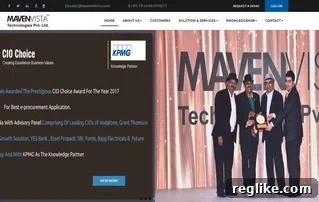
The case, which saw SAP Ariba failing to respond to the dispute, has raised pertinent questions about the Uniform Domain-Name Dispute-Resolution Policy (UDRP), the interpretation of “legitimate interests,” and the territorial nature of trademarks in a globally interconnected digital landscape. With a short window available for SAP Ariba to appeal the decision through national courts, this ruling underscores the critical importance of actively engaging in domain name disputes, regardless of a company’s size or global stature.
Understanding the Uniform Domain-Name Dispute-Resolution Policy (UDRP)
The UDRP is an administrative procedure established by the Internet Corporation for Assigned Names and Numbers (ICANN) to provide a streamlined, out-of-court mechanism for resolving disputes over domain name registrations. Primarily designed to combat “cybersquatting”—the bad-faith registration of domain names corresponding to trademarks—the UDRP is a cornerstone of global intellectual property enforcement online. To succeed in a UDRP complaint, the complainant must prove three essential elements:
- The domain name is identical or confusingly similar to a trademark or service mark in which the complainant has rights.
- The respondent (the domain name holder) has no rights or legitimate interests in respect of the domain name.
- The domain name has been registered and is being used in bad faith.
WIPO is one of the leading providers of UDRP dispute resolution services, appointing independent panelists to adjudicate cases. These decisions are binding unless challenged in court.
The Parties Involved: A Global Giant and a Regional Challenger
SAP Ariba: A Leader in Enterprise Solutions
SAP Ariba, a subsidiary of the German multinational software corporation SAP SE, is a dominant force in the realm of procurement and supply chain solutions. With a market capitalization well exceeding $100 billion, SAP is recognized globally for its enterprise resource planning (ERP) software and cloud-based services. SAP Ariba specifically provides solutions for managing procurement processes, supplier relationships, and digital marketplaces, serving a vast network of businesses worldwide. As a thought leader in its industry, SAP Ariba frequently publishes whitepapers, reports, and analyses on key trends, including topics like “the future of procurement.” Their use of the FutureOfProcurement.com domain for promoting their “Vision 2020: The Future of Procurement” whitepaper aligns perfectly with their extensive content marketing and strategic positioning as innovators in the sector.
Mavenvista Technologies Pvt. Ltd.: The Complainant from India
Mavenvista Technologies Pvt. Ltd., based in Ahmedabad, India, is a procurement company that initiated the dispute. The core of their claim rested on their ownership of an Indian trademark for the phrase “The Future of Procurement.” While less globally prominent than SAP Ariba, Mavenvista operates within the same industry, focusing on procurement solutions within its regional market. The acquisition of a trademark for a descriptive phrase like “The Future of Procurement” within a specific jurisdiction set the stage for this cross-border intellectual property conflict.
The Contested Domain: FutureOfProcurement.com
The domain name FutureOfProcurement.com is highly descriptive, almost generic, within the context of the procurement industry. For a company like SAP Ariba, registering such a domain is a strategic move to establish thought leadership and attract relevant traffic interested in industry trends and future outlooks. SAP Ariba registered this domain approximately a year after Mavenvista Technologies secured its trademark in India. Crucially, SAP Ariba actively used the domain, redirecting it to a specific page on its corporate website featuring a whitepaper titled Vision 2020: The Future of Procurement. This direct, relevant use would, under normal circumstances, strongly suggest a legitimate interest in the domain.
The Critical Impact of SAP Ariba’s Non-Response
One of the most significant factors in this case was SAP Ariba’s failure to respond to the UDRP complaint. For a company of SAP Ariba’s scale, missing a UDRP notification can occur for various reasons, including administrative oversight, misrouting of legal correspondence, or perhaps underestimating the seriousness of a complaint from a smaller entity in a specific market. However, under UDRP rules, a respondent’s failure to submit a response is often interpreted negatively by panelists. While it doesn’t automatically lead to a ruling against the non-responding party, it significantly weakens their position, as the panel is left to decide the case solely on the evidence provided by the complainant.
The original article notes, “SAP Ariba did not respond to the dispute and likely isn’t aware of it.” This highlights a potential internal procedural gap within large organizations that can lead to unforeseen and costly losses, even for highly valuable assets like domain names.
Analyzing the Panelist’s Controversial Decision
The WIPO panelist, Dr. Clive N.A. Trotman, ruled in favor of Mavenvista Technologies, ordering the transfer of FutureOfProcurement.com. The panelist concluded that SAP Ariba did not have a legitimate interest in the domain name and that its use constituted bad faith. Dr. Trotman specifically stated:
The Panel is satisfied that the use of the disputed domain name, irrespective of its redirection by the Respondent, is not a bona fide use within the meaning of paragraph 4(c)(i) of the Policy, because business intended to be channelled through the disputed domain name would rely upon the latter’s emulation of the Complainant’s trademark.
This finding has sparked considerable debate. Critics argue that SAP Ariba’s use of the domain for a whitepaper titled “Vision 2020: The Future of Procurement” appears to be a clear demonstration of a legitimate, non-commercial, or fair use, positioning them as an industry thought leader. The argument that their use “emulated” Mavenvista’s trademark is particularly contentious, given the highly descriptive nature of the phrase. Many would consider “The Future of Procurement” to be a common industry term or a generic phrase, making it difficult for any single entity to claim exclusive global rights, especially when the trademark is limited to a single country.
Furthermore, the panelist was reportedly influenced by the presence of an SAP India phone number on the Ariba.com page to which the domain forwarded. While this might be a standard geographic customization for a global website, its interpretation as evidence of targeting the Complainant’s regional trademark demonstrates a potential over-reliance on limited regional cues in a global dispute. It’s highly probable that SAP Ariba was genuinely unaware of Mavenvista’s specific Indian trademark when registering and utilizing the domain for its global thought leadership content.
Cybersquatting vs. Trademark Dispute
A central point of contention in such cases is distinguishing between true cybersquatting and a legitimate trademark dispute. Cybersquatting involves registering a domain name with the malicious intent of profiting from someone else’s trademark, often by selling the domain back to the trademark owner or diverting traffic. SAP Ariba’s use of FutureOfProcurement.com to host an industry whitepaper, aimed at positioning itself as a leader, doesn’t readily fit the typical profile of a cybersquatter. Instead, the situation appears more akin to a conflict arising from a descriptive trademark used by a regional entity clashing with a global entity’s legitimate use of a descriptive phrase in a domain name. Such conflicts are often better suited for resolution in national courts where trademark infringement laws, which consider factors like actual confusion and geographic scope, can be more thoroughly applied.
Implications and Broader Lessons
This WIPO decision carries significant implications for all parties and the broader domain name ecosystem:
- For SAP Ariba: The loss of FutureOfProcurement.com means relinquishing a valuable, SEO-friendly domain that aligns perfectly with its brand messaging. It highlights the critical need for global companies to implement robust internal processes for monitoring UDRP notifications and responding promptly, even to disputes that seem minor or unfounded.
- For Mavenvista Technologies: This represents a substantial victory, granting them a highly descriptive and potentially valuable domain name that can enhance their online presence and brand recognition, particularly within India.
- For the UDRP System: The ruling fuels ongoing debates about the interpretation of “legitimate interests” and “bad faith” in cases involving descriptive or generic terms that also happen to be trademarked in specific jurisdictions. It underscores the inherent tension between the global nature of domain names and the often-territorial nature of trademark rights. Panelists must carefully consider whether the use of a descriptive domain by a global player truly constitutes cybersquatting or if it’s a legitimate engagement with a common industry term.
- Generic Terms and Trademarks: The case further illuminates the challenges associated with trademarking highly descriptive phrases. While a trademark offers protection, its scope of enforceability against non-confusing, legitimate descriptive use by others, especially globally, remains a complex issue.
Appeal and Future Outlook
SAP Ariba now faces a critical decision: accept the transfer or challenge the UDRP decision in a national court. While UDRP decisions are binding, they can be overturned by a court of competent jurisdiction. However, pursuing such an appeal can be a lengthy and expensive process, often weighing the potential costs against the strategic value of the domain. For a company like SAP Ariba, the strategic implications of losing such a descriptive and industry-relevant domain might warrant further legal action, but the logistical hurdles are considerable.
Conclusion
The WIPO panel’s order for SAP Ariba to transfer FutureOfProcurement.com to Mavenvista Technologies is a compelling reminder of the intricate challenges inherent in navigating intellectual property rights in the digital age. It underscores the paramount importance of responding to UDRP complaints, the nuanced interpretation of “legitimate interests” and “bad faith,” and the ongoing debate surrounding the enforceability of regional trademarks against globally descriptive domain names. This case serves as a valuable lesson for businesses worldwide: proactive domain management and robust legal vigilance are indispensable in protecting digital assets, even for the largest and most established corporations.