
The Digital Pulse of a Crisis: Unpacking the Surge in ‘Virus’ and ‘Covid’ Domain Registrations
Every global crisis, it seems, has its digital echo. As the world grapples with unprecedented challenges, the internet, often the first port of call for information and connection, experiences its own ripple effects. One of the most telling indicators of this digital response is the dramatic surge in domain name registrations related to the unfolding events. This pattern, consistently observed across various global upheavals, has once again manifested itself vividly during the recent crisis, with an explosive increase in domains featuring keywords like ‘virus’ and ‘Covid’. This phenomenon provides a fascinating, albeit sometimes concerning, insight into human behavior, digital opportunism, and the critical role of the internet in times of uncertainty.
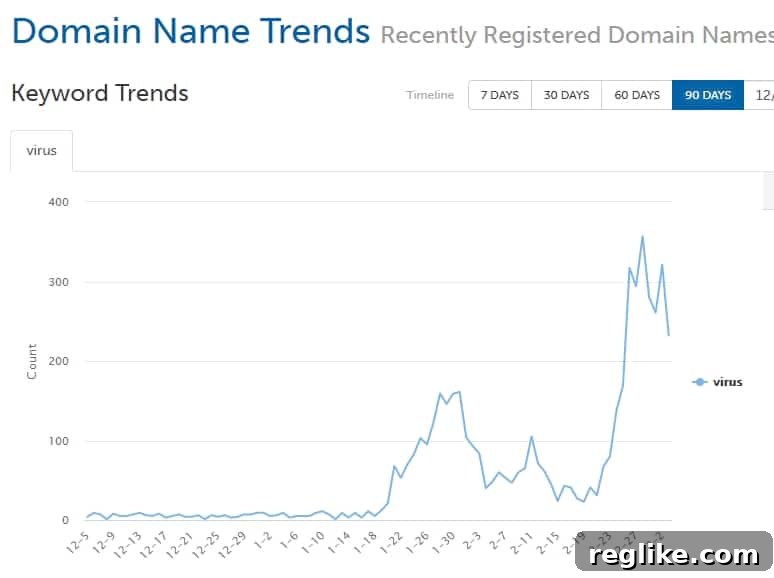
In a world increasingly reliant on digital communication, the instant reaction to any major event often involves a scramble for online real estate. Websites become crucial hubs for information dissemination, community support, commercial ventures, and unfortunately, sometimes for less scrupulous activities. Had Verisign continued its practice of publishing monthly lists of top trending keywords – a valuable resource that regrettably ceased with its August list – the term ‘virus’ would undoubtedly have topped recent charts, offering a tangible measure of the crisis’s digital footprint.
The Data Speaks: A Clear Spike in Crisis-Related Domains
The numbers paint a stark picture. According to insightful data from Verisign DomainScope, the registration of .com and .net domain names containing the word ‘virus’ has skyrocketed. What were once mere single-digit daily registrations in calmer periods, such as December, have now escalated into hundreds of new registrations per day over the past week alone. This exponential growth is not just a statistical anomaly; it reflects a palpable shift in global attention and intent. Prior to this surge, most ‘virus’-related domain registrations typically pertained to computer viruses, malware, and digital security threats. The recent influx, however, overwhelmingly points towards biological health crises, highlighting a critical reorientation of online focus.
The phenomenon extends beyond the generic term ‘virus’. Domain registrations incorporating the specific word “Covid” have also witnessed a dramatic ascent. While perhaps not reaching the sheer volume of generic ‘virus’ domains, these specific registrations are still occurring at a significant rate, amounting to dozens per day, according to DomainScope. This distinct trend underscores the precise nature of the global event driving this digital land rush, showcasing how specific terminology becomes instantly sought-after in the online realm during a crisis.
Understanding the Motivations Behind the Surge
The rush to register crisis-related domain names stems from a complex mix of motivations, ranging from altruistic to opportunistic, and sometimes, outright malicious. Understanding these drivers is crucial for comprehending the dynamics of the internet during times of global stress.
1. Legitimate Information and Support Platforms
A significant portion of these new domain registrations is driven by legitimate, vital purposes. Governments, healthcare organizations, non-profits, research institutions, and even concerned individuals or community groups often register domains to provide accurate, timely, and accessible information. These websites serve as crucial portals for official advisories, public health guidelines, symptom checkers, testing site locators, vaccine information, and mental health support. During a crisis, establishing an authoritative online presence is paramount for public safety and well-being. Organizations aim to create easily recognizable and trustworthy sources to counteract misinformation, offering invaluable resources to a distressed public. Such domains might include variations like ‘officialcrisisinfo.com’, ‘healthsupportnetwork.org’, or ‘communityaidresponse.net’. For SEO purposes, these entities are often keen to secure domains that are directly relevant to keywords people will search for, enhancing their visibility and ensuring that credible information reaches those who need it most.
2. Speculation and Domain Investment
Another common driver is speculation. Domain investors, often referred to as “domainers,” might register trending keywords or phrases with the hope of selling them later at a profit. They anticipate that as the crisis evolves, certain businesses, media outlets, or larger organizations might require these specific domain names for their own initiatives. This is a high-risk, high-reward strategy; while some premium domains might fetch substantial prices, the vast majority are likely to expire without ever being developed or sold. The sheer volume of registrations often indicates a speculative bubble, where individuals are betting on the long-term value of crisis-related terms.
3. Exploitation and Nefarious Activities
Perhaps the most concerning aspect of this surge is the clear indication that many domains are registered for nefarious purposes. The crisis environment creates fertile ground for cybercriminals, scammers, and purveyors of misinformation. Examples such as ‘BuyCovid19pill (.) com’ serve as stark warnings of the intent behind some registrations. These malicious domains can be used for:
- Phishing Scams: Creating fake websites that mimic official government agencies, healthcare providers, or charitable organizations to trick individuals into revealing personal information, financial details, or login credentials.
- Malware Distribution: Luring unsuspecting users to sites that automatically download viruses or other malicious software onto their devices.
- Selling Counterfeit or Fraudulent Products: Advertising fake cures, unproven treatments, or non-existent essential supplies, preying on public fear and desperation.
- Spreading Misinformation and Disinformation: Propagating false narratives, conspiracy theories, or harmful health advice, which can have devastating real-world consequences and undermine public trust in legitimate sources.
- Donation Scams: Setting up fake charity websites to solicit donations under the guise of supporting relief efforts or victims of the crisis.
These activities not only pose a direct threat to individuals’ financial security and digital safety but also contribute to a broader atmosphere of confusion and distrust, making it harder for accurate information to gain traction.
The Lifecycle of Crisis Domains: A Fleeting Existence for Many
While the initial surge in registrations is remarkable, it’s a critical observation that many, if not most, of these crisis-related domains will likely never be put to active use. The lifecycle of these domains often mirrors the transient nature of public attention to a crisis. Many speculative registrations will ultimately expire as their owners fail to find buyers or realize the limited long-term value. Nefarious sites are frequently identified and taken down by authorities, registrars, or security firms, or they simply become irrelevant as public awareness of scams grows. Even legitimate information portals might eventually consolidate their content into larger, existing organizational websites once the immediate urgency subsides. This ebb and flow underscores the dynamic and often ephemeral nature of digital real estate tied to rapidly evolving global events.
Implications and Recommendations for a Safer Digital Landscape
The phenomenon of crisis-driven domain registration surges has significant implications for individuals, businesses, and the broader digital ecosystem.
For Users:
Vigilance is paramount. Always verify the authenticity of websites, especially those requesting personal information or promoting products related to the crisis. Stick to official government websites, trusted news organizations, and well-known healthcare providers for information. Look for secure connections (HTTPS), check domain names carefully for subtle misspellings, and be wary of unsolicited emails or messages.
For Businesses and Organizations:
Proactive domain registration is essential for brand protection and establishing an authoritative online presence during a crisis. Securing relevant keyword-rich domains can help organizations control their narrative and prevent malicious actors from impersonating them. Furthermore, maintaining high standards of Expertise, Authoritativeness, and Trustworthiness (E-A-T) on your website is crucial, especially in search engine rankings where Google prioritizes reliable sources during sensitive times.
For Registrars and Registries:
The surge places a heightened responsibility on domain registrars and registries to monitor for and actively combat abuse. Implementing robust reporting mechanisms, working closely with law enforcement, and potentially suspending domains found to be engaged in illegal or harmful activities are critical steps in maintaining a trustworthy internet. This challenge requires continuous innovation and collaboration across the industry to protect users.
Conclusion: The Enduring Digital Footprint of Global Events
The wave of ‘virus’ and ‘Covid’ domain registrations serves as a powerful testament to the internet’s central role in modern crises. It highlights both the incredible capacity of the digital world to facilitate information sharing, community building, and rapid response, as well as its vulnerability to exploitation and misinformation. While many of these newly registered domains may eventually fade into obscurity, their initial surge offers a critical snapshot of humanity’s immediate digital reaction to adversity. As we continue to navigate an increasingly interconnected world, understanding these patterns is vital not just for digital security and online commerce, but for fostering a safer, more informed global community.