
Navigating China’s Digital Frontier: An In-Depth Look at Internet Usage and Domain Market Trends
In the rapidly evolving landscape of global technology, China stands as a colossal digital force, continually reshaping the internet economy. To truly grasp the scale and direction of this influence, insights from authoritative reports are indispensable. The recent release of the 45th China Statistical Report on Internet Development provides precisely such a comprehensive overview, offering a panoramic view of the Chinese internet sector, with particular emphasis on its dynamic domain market. This analysis, authored by Kassey Lee, builds upon previous observations, delivering an updated perspective for anyone keen to understand the nuances of China’s digital evolution.
For those seeking to contextualize these latest findings, a review of prior reports, such as “Chinese domain market – the big picture,” is highly recommended. Together, these reports paint a compelling picture of a market defined by unparalleled growth, strategic shifts, and emerging opportunities.
The Expanding Digital Frontier: China’s Growing Internet User Base
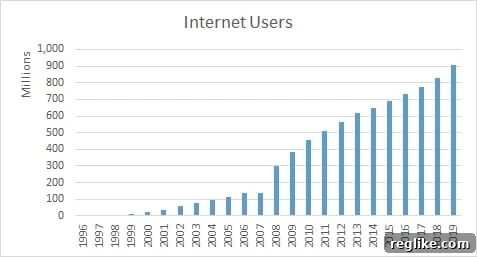
China’s internet user base has soared to an astonishing 904 million, a figure that solidifies its position as the world’s largest online population. While this number is staggering, it represents a penetration rate of approximately 65%. This percentage, though significant, still leaves substantial room for growth, indicating that roughly one-third of the population is yet to come online. This untapped potential presents immense opportunities for businesses, content creators, and infrastructure developers looking to expand their reach within the Chinese market. The continuous expansion of internet access, particularly in rural and less-developed regions, promises to further fuel this digital boom, driving demand for online services, applications, and, crucially, domain names. The steady increase in internet users underscores the vibrant and ever-evolving nature of China’s digital economy, making it a critical market for global digital strategy.
The Evolving Web Ecosystem: Unpacking Website Trends and E-commerce Dominance
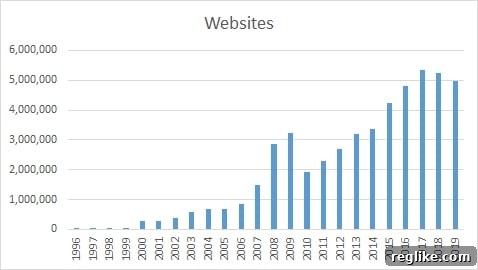
A curious trend highlighted in the report is the consistent decline in the number of active websites over the past two years. While the report does not explicitly offer an explanation for this phenomenon, industry observers, including Kassey Lee, speculate that the overwhelming success of major e-commerce platforms like Taobao and JD.com plays a significant role. These digital giants have created robust ecosystems that effectively internalize a vast number of online sellers and businesses. Rather than launching independent websites, many entrepreneurs and small to medium-sized enterprises (SMEs) find it more convenient and cost-effective to establish storefronts directly within these established marketplaces. This strategy offers immediate access to massive consumer bases, integrated payment systems, marketing tools, and often, streamlined logistics and customer support – advantages that are hard for standalone websites to replicate. This platform-centric approach in China’s digital economy suggests a consolidation of online activity, where businesses thrive by leveraging existing infrastructure rather than building their own from the ground up. This shift has profound implications for digital strategy, branding, and the competitive landscape for domain names, as primary online presence increasingly moves to sub-domains or profiles within these powerful platforms.
China’s Domain Market: A Snapshot of Growth and Strategic Shifts
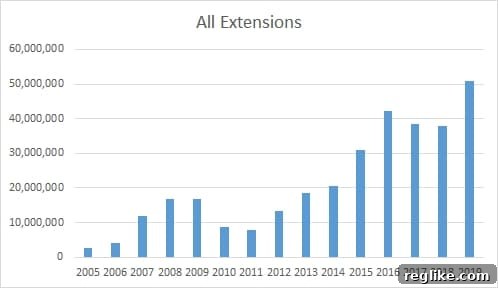
The total number of domains registered in China has seen a significant surge, reaching an impressive 51 million. This substantial jump is largely attributed to a crucial methodological change in this latest report: the inaugural inclusion of 10.1 million domains from new extensions (those released in 2014 and later). This integration of new Generic Top-Level Domains (gTLDs) provides a more holistic and accurate representation of China’s burgeoning domain market, reflecting a diversification beyond traditional extensions. The market’s robust health is further evidenced by the performance of its leading TLDs, as detailed below.
Traditional Powerhouses: .COM and .CN Maintain Strong Momentum
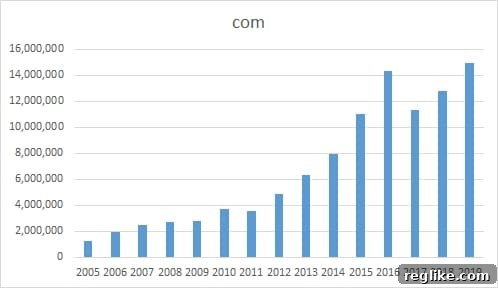
Despite the emergence of numerous new extensions, .COM continues to demonstrate remarkable resilience and growth in China, expanding by a robust 16.4%. This makes .COM the fastest-growing traditional extension in the country, underscoring its enduring global appeal, universal brand recognition, and perceived value for businesses and individuals seeking an international presence. For Chinese enterprises with global ambitions, a .COM domain often serves as a cornerstone of their digital identity. Similarly, the national identifier, .CN, experienced healthy growth, increasing by 5.7%. This steady rise highlights its importance for local businesses and organizations establishing a strong presence within China’s domestic market. The .CN domain reinforces national identity and trust, often preferred by entities catering specifically to Chinese consumers. Both .COM and .CN collectively dominate the traditional domain landscape, illustrating their strategic importance in China’s dual domestic and international digital strategies.
The Shifting Tides: Declining Trends Among Other TLDs
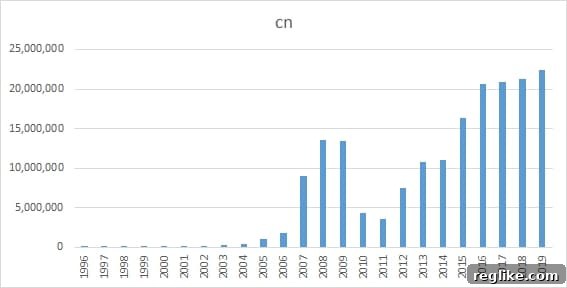
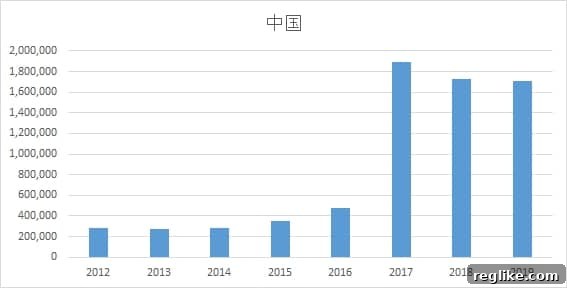
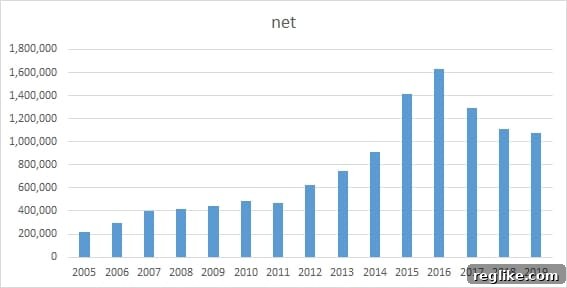
While .COM and .CN thrive, other traditional TLDs and Internationalized Domain Names (IDNs) are experiencing a different trajectory. The IDN .中国 (China IDN) is notable for its downward trend. Despite its cultural significance, factors such as ease of input on global keyboards, potential compatibility issues, and a broader preference for alphanumeric domains might contribute to its declining registrations. Similarly, .NET domains are also in decline, indicating a shift away from what was once a popular alternative to .COM. This decline could be attributed to increased competition from new gTLDs and a general market consolidation around the primary TLDs.
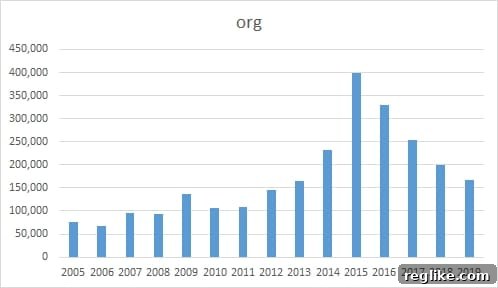
.ORG, often associated with non-profit organizations globally, has seen its registrations revert to 2013 levels. This stagnation suggests that while it maintains a steady base, it is not experiencing the same growth as its counterparts. This could reflect a different pattern of online organization or a preference for other specialized domains within China’s diverse digital ecosystem.
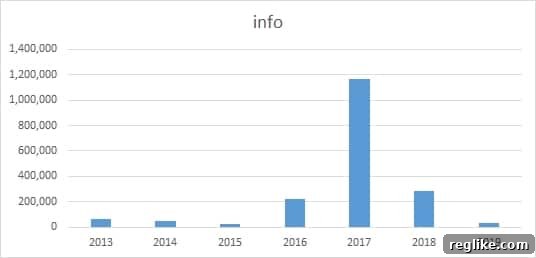
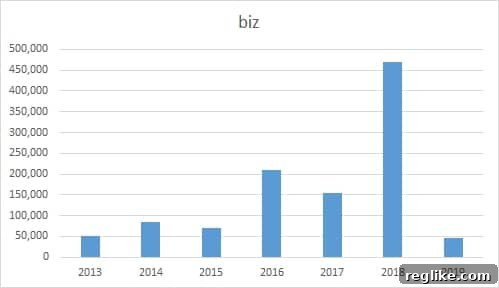
The outlook for .INFO remains less than optimistic, as depicted by its declining trend. Similarly, .BIZ appears to be struggling, with the report implying a need for revitalization or a reconsideration of its market positioning. The challenges faced by .INFO and .BIZ could stem from a lack of clear market differentiation, intense competition from a wider array of gTLDs, or simply a diminished perceived value among Chinese registrants. Overall, while .COM and .CN continue to be the frontrunners, demonstrating their strategic importance, the inclusion of new extensions in the survey underscores their growing significance and signals a more diverse and evolving landscape for domain names in China.
In summary, the domain market in China is clearly bifurcated: .COM and .CN firmly hold their positions as dominant choices, driven by global appeal and local relevance, respectively. Simultaneously, the emerging influence of new extensions is undeniable, diversifying the market and offering specialized alternatives. Other traditional TLDs, however, face challenges in maintaining relevance amidst this dynamic competition.
Beyond Domains: Key Drivers of China’s Digital Economy
The 45th China Statistical Report on Internet Development offers insights extending beyond domain registrations, painting a vibrant picture of China’s broader digital economy:
- Online Shopping Revolution: China’s online shopper base has swelled to an impressive 710 million individuals, fueling a digital retail market that last year alone generated 10.6 trillion yuan in sales. This colossal figure underscores the nation’s profound reliance on e-commerce and the pervasive adoption of mobile payment systems, which have become an integral part of daily life. The sheer volume of transactions and users makes China a global leader in digital retail, driving innovation in logistics, personalized marketing, and consumer engagement.
- The E-Learning Boom: Online education users more than doubled, reaching 423 million. This unprecedented surge is not merely a transient effect but is expected to continue its tremendous growth trajectory, amplified by the lingering impact of global events like Covid-19. As remote learning and digital skill development become increasingly vital, the demand for educational platforms, content, and related digital infrastructure will skyrocket, presenting vast opportunities for EdTech companies and specialized domain names.
- Global Internet Powerhouses: Among the Top 30 global internet companies in 2019, China proudly claimed nine spots, a testament to its growing influence and innovation alongside the United States, which accounted for 18 companies. This highlights a clear duopoly in global internet leadership, where Chinese tech giants like Tencent, Alibaba, and ByteDance are not just dominating their domestic market but are also making significant inroads on the international stage, driving technological advancements and setting new industry benchmarks.
- Unicorns and Domain Investment: The number of Chinese unicorns (startups valued at over $1 billion) has increased by 74, bringing the total to 187. This proliferation of highly successful startups represents a critical source of demand for premium, often expensive, domain names. As these companies scale and aim for global recognition, investing in powerful and memorable domain assets becomes crucial for branding, intellectual property protection, and securing their digital future. The growth of unicorns is a direct indicator of a robust startup ecosystem and a strong economy that values digital assets.
- Blockchain Innovation at the Core: The Chinese government has formally announced its commitment to placing blockchain technology at the core of national innovation strategies. This strategic directive is poised to generate immense interest and investment in blockchain-related domains. As companies and research institutions delve deeper into distributed ledger technologies, smart contracts, and decentralized applications, the demand for relevant, cutting-edge domain names that reflect this focus is expected to surge, marking a new frontier for domain market speculation and development.
Conclusion: China’s Enduring Digital Momentum
The 45th China Statistical Report on Internet Development paints a vivid picture of a nation at the forefront of the digital revolution. With a staggering internet user base still brimming with growth potential, a dynamic domain market where traditional powerhouses like .COM and .CN continue to thrive alongside emerging new extensions, and a vibrant digital economy driven by e-commerce, online education, and innovative startups, China’s digital landscape is unequivocally one of opportunity and transformation. The government’s strategic emphasis on cutting-edge technologies like blockchain further solidifies its commitment to fostering a forward-looking digital ecosystem. For businesses, investors, and digital enthusiasts globally, understanding these intricate trends in China is not just beneficial—it is essential for navigating the complexities and harnessing the immense potential of the world’s most expansive digital frontier.