
Unlocking the Chinese Market: The Growing Demand for English Domain Names
In the dynamic world of global commerce and digital assets, China stands as an unparalleled market. While it’s commonly understood that successful ventures within this immense nation require a deep understanding of local culture and language, a significant paradigm shift is quietly revolutionizing branding strategies. Contrary to the long-held belief that only Chinese brand names resonate with the local populace, there is a burgeoning and undeniable demand for English domain names within China, even for companies primarily operating domestically. This evolving trend presents extraordinary opportunities for domain investors worldwide.
The Traditional View vs. The Modern Reality of Chinese Branding
For decades, the standard operating procedure for companies entering or operating within the Chinese market, whether they were multinational conglomerates or indigenous enterprises, involved the adoption of a Chinese brand name. This strategy was predicated on the understanding that a localized name would foster immediate recognition, build cultural affinity, and ensure memorability among the predominantly Chinese-speaking consumer base. Renowned global brands exemplify this approach: Amazon is known as “Ya Ma Xun” (亚马逊), Apple as “Pin Guo” (苹果), and Tesla as “Te Si La” (特斯拉).
This deep-rooted practice has largely dictated brand naming conventions across industries. However, the rapidly expanding digital economy, coupled with a more globally integrated business environment and a younger, tech-savvy generation, is ushering in a new era. A growing number of ambitious Chinese companies are now challenging this traditional model by confidently embracing English-only branding, signaling a modern, often international, outlook. This shift not only reflects a change in corporate identity but also underscores an increasing demand for premium English-based digital assets.
Fiture: A Landmark Case Study in English-Only Branding
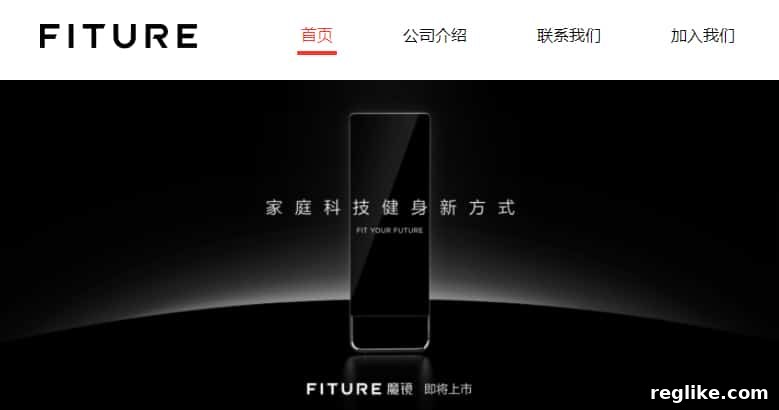
The fitness startup Fiture stands out as a compelling example of this contemporary branding trend in China. Established in March 2019, Fiture set out to transform the at-home fitness landscape by integrating cutting-edge technology with user-centric design. Their offerings include intelligent hardware, AI-powered personalized exercise programs, and an innovative social networking feature that cultivates a virtual group training atmosphere. This comprehensive approach empowers users to achieve their fitness goals while connecting with a community, all from the convenience of their homes.
Fiture’s rapid ascent in the market is validated by its impressive funding rounds. The company successfully secured a $6 million angel investment in late 2019, followed shortly by a substantial $65 million Series A funding round just a few months ago. This financial backing speaks volumes about investor confidence in Fiture’s business model and, crucially, its branding strategy.
The Strategic Choice of an English Brand Name
What makes Fiture particularly remarkable is its decision to use “Fiture” as both its English and, notably, its sole Chinese brand name. This carefully chosen name is a clever contraction of the word “fit,” making it instantly recognizable and perfectly aligned with the company’s core mission in the fitness industry. By opting for a concise, universally understandable, and inherently brandable English term, Fiture immediately conveys its purpose and modern ethos to a broad audience, even while primarily targeting the vast domestic Chinese market. This choice is a bold statement, reflecting a strategic move to project innovation, global appeal, and a forward-thinking identity.
The Acquisition of Fiture.com: A Domain Investor’s Tale
Complementing its branding strategy, Fiture wisely secured the brand-matching domain Fiture.com for its corporate identity. The history of this domain highlights the dynamic nature of the domain aftermarket and the unforeseen market opportunities that can arise. According to records from the Wayback Machine, Fiture.com was under the ownership of a Japanese investor from 2004 until its eventual transfer to the fitness company in 2019. At one point, Fiture.com was even part of a bundled sale, offered alongside five other extensions of the same name for a collective price of $25,000. It is highly probable that the original investor, like many in the domain investing community, had a broad appreciation for the domain’s value but might not have specifically anticipated a rapidly growing Chinese startup as the ultimate buyer of such a premium English dot-com. This instance perfectly illustrates how a well-chosen English domain can become incredibly valuable to a Chinese company, underscoring the increasing importance of the Chinese market in domain name valuation and sales.
A Broader Trend: More Chinese Startups Embrace English Branding
Fiture is not an isolated example but rather a harbinger of a broader trend. In recent months, numerous other high-growth Chinese startups have emerged, successfully raising significant rounds of funding while operating without a traditional Chinese brand name. Their success strongly indicates that an English-only brand identity is not a hindrance but potentially a strategic asset, enabling them to project a modern, sophisticated, and globally-minded image to both investors and consumers. This phenomenon is particularly prevalent among tech-focused startups and those with aspirations of future international expansion.
Here are a few additional examples of Chinese startups that have adopted English-only branding, thriving across diverse and innovative sectors:
| Company Name | Business Sector | Recent Funding (approx.) | Primary Domain |
|---|---|---|---|
| Hachibot | Robotics & AI Solutions | $10 million | Hachibot.com |
| Hey Maet | Plant-based Meats & Food Tech | $1.5 million | Heymaet.com |
| Moka | Human Resources & Recruitment Software | $44 million | Mokahr.com |
These examples highlight the versatility of English branding across various high-growth industries—from cutting-edge robotics and sustainable food technology to essential enterprise software. The common thread among them is their confident adoption of an English brand name and their ability to secure substantial venture capital, validating their market and branding strategies. This demonstrates a clear shift in how Chinese innovators perceive and utilize brand identity in the digital age.
Identifying Domain Opportunities: The Moka.com Imperative for Investors
For shrewd domain investors, these unfolding trends are not mere observations but rather clear indicators of lucrative opportunities. The case of Moka, for instance, offers a compelling illustration. While Moka currently operates using the domain Mokahr.com, the strategic value of upgrading to the concise, exact-match Moka.com is undeniable. A shorter, more memorable, and definitive dot-com domain like Moka.com would significantly bolster the company’s brand authority and ease of access as it continues its rapid expansion and seeks to solidify its leadership in the HR software sector. While it is true that Moka.com may already be a developed site, the example serves to powerfully underscore the potential premium value for owners of single-word, highly brandable English dot-coms that perfectly align with a rapidly growing Chinese startup’s identity. Such an asset could command a substantial acquisition price.
This scenario emphasizes the immense value placed on exact-match domains, particularly by companies with global ambitions or even a strong desire for brand simplicity and enhanced memorability within their massive domestic market. The drive to own the definitive .com version of their chosen brand name often leads these well-funded companies to invest significant capital in such domain upgrades.
The Intensifying Demand for English-Based Domains in China
The observed trend of English-only branding is just one facet of the broader picture. An even larger segment of Chinese companies adopts a dual-branding strategy, utilizing both a Chinese and an English brand name. In both scenarios—whether a company operates solely with an English brand or uses it in conjunction with a Chinese one—the need for a corresponding, high-quality English domain name remains paramount. This dual approach, often seen in companies balancing domestic appeal with international aspirations, still contributes significantly to the escalating demand for premium English domains.
Key Drivers Behind the Escalating Demand:
- Globalization of Chinese Businesses: As more Chinese companies evolve from domestic players to international contenders, a robust English brand and an exact-match English domain name become indispensable for global recognition, market penetration, and building trust with international partners and consumers.
- Appeal to a Modern Chinese Audience: Within China itself, English brand names increasingly convey a sense of modernity, international flair, and sophistication. This appeals powerfully to a younger, digitally native, and globally-aware demographic that often views English names as cutting-edge and aspirational.
- The Sheer Scale of the Digital Economy: China boasts an extraordinary and ever-growing base of over 900 million internet consumers. This massive digital population fuels an unprecedented rate of new business formation and digital transformation across all sectors. Every new online venture, whether targeting local or global markets, requires a strong online identity, often spearheaded by a memorable English domain.
- Investor Preferences and Venture Capital: Venture capitalists and institutional investors, particularly those with international portfolios, often appreciate and actively encourage English branding. They recognize its broader appeal, potential for future global scalability, and ease of communication in global financial markets.
- Simplicity and Memorability in a Crowded Space: In an increasingly saturated digital landscape, short, clear, and easy-to-remember English domain names offer a distinct advantage. They are simpler to type, pronounce, and recall than potentially more complex Chinese character permutations, improving user experience and brand recall.
Actionable Strategies for Domain Owners to Capitalize on This Trend
Given these powerful and accelerating market dynamics, what proactive steps can domain owners take to effectively capitalize on this surging demand originating from China?
- Prioritize Brandable English Names: Focus on acquiring and holding domains that are short, easy to pronounce, spell, and remember. Single-word domains, two-word combinations, or inventable brandable terms with positive or neutral connotations are highly sought after. These possess universal appeal.
- Understand Emerging Industry Verticals in China: Conduct thorough research into trending and high-growth industries within China. Sectors such as AI, biotech, fintech, e-commerce, sustainable energy, health tech, and smart manufacturing are booming. Acquiring domains relevant to these rapidly expanding sectors can significantly increase your chances of a lucrative sale.
- Leverage Marketplaces with Robust Chinese Reach: It is paramount to list your valuable domains on reputable marketplaces that possess a strong presence, extensive marketing channels, and retail operations specifically targeting buyers in China and across the broader Asian market. Simply listing on Western-centric platforms may not expose your assets to the most motivated and well-funded buyers in this crucial region.
- Actively Monitor Chinese Startup Funding News: Stay informed by regularly reviewing reports on Chinese startup funding rounds and new company formations. When innovative companies emerge, particularly those with English names or ambiguous branding, research their current domains and proactively identify potential upgrade opportunities for your portfolio.
- Consider Smart Portfolio Diversification: While the .com extension undeniably remains the king for premium value, exploring highly relevant premium extensions (such as .co, .io, .ai) that resonate strongly with tech companies can also yield positive results, especially if the corresponding .com is unattainable. However, always prioritize a strong .com for maximum investment potential.
- Articulate the Value Proposition Clearly: When approached by a potential buyer, be thoroughly prepared to articulate the intrinsic value of your domain beyond its aesthetic appeal. Highlight its brandability, memorability, global reach, SEO advantages, and the competitive edge it offers in a crowded market.
The Future is Global: China’s Role in English Domain Investment
The landscape of branding and domain investment is in a constant state of flux, mirroring global economic shifts. The outdated narrative that China is exclusively a market for Chinese-language brands and domains is rapidly being replaced by a more nuanced and opportunistic reality. The emergence and remarkable success of companies like Fiture, Hachibot, and Moka—all thriving with English brand names and their corresponding English domains—paint a clear, undeniable picture of a market brimming with potential. As China’s digital economy continues its meteoric rise, fueled by an enormous, sophisticated, and increasingly global-minded consumer base, the demand for well-chosen, brandable English domain names will only intensify. Domain investors who proactively recognize, understand, and adapt to this transformative shift will find themselves uniquely positioned to unlock significant value in one of the world’s most dynamic and lucrative markets.