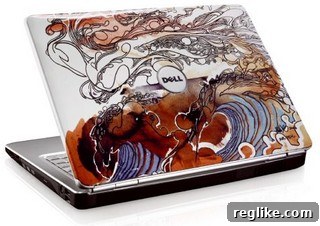
Dell’s Artistic Leap: Embracing Personalization with Mike Ming and the Critical Role of Proactive Domain Strategy
In an exciting move towards personalization, Dell (NASDAQ: DELL) unveiled a captivating collaboration on May 7, 2008, introducing new laptop cover designs for its portable notebooks. These eye-catching covers featured the unique artistry of Mike Ming, marking a significant step in Dell’s commitment to offering customized experiences to its users. However, a crucial aspect of digital brand management came into sharp focus when the associated domain name, MikeMingLaptops.com, was only registered a week later, on May 13. This delay, while ultimately harmless in this instance, highlights a broader and often overlooked vulnerability in corporate digital strategy: the importance of a proactive and robust domain name policy.
The Art of Personalization: Dell’s Vision for Custom Laptops
The modern consumer demands more than just functionality from their devices; they seek individuality, self-expression, and a connection with the brands they choose. Dell’s foray into personalized laptop covers, beginning with the Mike Ming collection, is a direct response to this evolving market trend. By integrating art and technology, Dell aims to transform a utilitarian device into a canvas for personal style, allowing users to make a statement without compromising on performance.
Mike Ming: Bringing Art to Technology
The initial collection showcased two distinct designs by artist Mike Ming, known for his vibrant and dynamic urban-inspired artwork. This collaboration was more than just a cosmetic upgrade; it was a strategic move to infuse a sense of artistic flair and uniqueness into Dell’s product line. Such partnerships not only elevate the aesthetic appeal of a laptop but also connect with a demographic that values creative expression. Dell’s long-term vision extends beyond pre-selected designs, aspiring to empower customers to fully customize their laptops with virtually any design they desire. Before reaching that ultimate level of personalization, the company plans to introduce more artists and artwork, expanding the array of choices available to consumers. This strategy positions Dell at the forefront of the personalization movement in consumer electronics.
The Critical Miss: Dell’s Domain Name Oversight
While the artistic collaboration garnered positive attention, the subsequent registration of MikeMingLaptops.com a full week after the product announcement serves as a stark reminder of a common oversight in the digital age. In today’s hyper-connected world, where information travels at the speed of light, every product launch, every announcement, and every new initiative creates a digital footprint that must be secured promptly. The fortunate outcome—that the domain name wasn’t snatched up by a cybersquatter—does not diminish the inherent risk involved.
Understanding Cybersquatting: A Digital Threat
Cybersquatting refers to the practice of registering, trafficking in, or using a domain name with the bad-faith intent to profit from the goodwill of a trademark belonging to someone else. This digital menace poses significant threats to businesses of all sizes, from nascent startups to established multinational corporations. Cybersquatters often register variations of brand names, product names, or even executive names, hoping to either sell the domain back to the rightful owner at an inflated price or divert traffic to competing or malicious websites. Types of cybersquatting include:
- Brand Squatting: Registering the exact brand name or product name.
- Typosquatting: Registering common misspellings of a brand name (e.g., “Delllaptops.com”).
- Grabs for new initiatives: Registering domain names related to newly announced products or campaigns before the company does.
The financial ramifications of cybersquatting can be substantial, encompassing legal fees, the cost of acquiring the domain back, and potential loss of revenue due to diverted traffic. Beyond monetary losses, the damage to a brand’s reputation can be even more severe. Customers might be misled, encounter fraudulent content, or lose trust in a brand that appears unable to protect its digital assets. Had MikeMingLaptops.com been registered by a malicious actor, Dell could have faced a public relations nightmare, tarnishing the innovative spirit of their new product line.
The Imperative of Proactive Domain Name Strategy
The incident with MikeMingLaptops.com underscores a critical need for corporate America, and indeed all businesses operating in the digital sphere, to adopt a robust, proactive domain name strategy and policy. In an era where online presence is paramount, a company’s domain name is not merely an address; it is a fundamental pillar of its brand identity, intellectual property, and market reach. Waiting until after a product announcement to secure associated domain names is akin to launching a physical store without first securing its lease—it’s a recipe for potential disaster.
Imagine the scenario if Dell were a company like Apple, known for its intense brand loyalty and rapid consumer engagement. As soon as a product or collaboration of this nature was hinted at, let alone officially announced, opportunistic cybersquatters would be racing to register any plausible domain name. The speed at which digital assets are claimed in today’s market demands a foresight that anticipates brand launches and secures relevant domains well in advance. This means having a dedicated team or a clear protocol in place to identify and register domain names associated with upcoming products, campaigns, and partnerships, long before any public disclosure.
Beyond .com: A Multi-TLD Approach
A comprehensive domain name strategy extends beyond simply securing the .com version of a brand or product name. With the proliferation of new generic top-level domains (gTLDs) and country-code top-level domains (ccTLDs), businesses must consider a multi-TLD approach. This involves registering key domain names across various relevant extensions such as .net, .org, .info, .io, and specific country codes if the product has international appeal. This broad approach acts as a digital fence, creating a wider protective barrier around the brand and minimizing avenues for cybersquatters to exploit.
Safeguarding Your Digital Footprint: Best Practices for Businesses
The experience with Dell and Mike Ming laptops serves as a teachable moment for all businesses. Protecting a brand’s digital identity requires vigilance, foresight, and a structured approach. Here are best practices for developing an impenetrable domain name strategy:
- Early Registration is Key: As soon as a product, project, or artist collaboration is conceptualized and given a working name, the associated domain names should be identified and registered. This should be a standard operating procedure, integrated into the product development lifecycle, not an afterthought.
- Comprehensive Brainstorming and Search: Go beyond obvious domain names. Consider potential misspellings, alternative phrasings, campaign slogans, and even the names of key individuals involved in a project. Conduct thorough searches across various domain registrars and TLDs to identify available options.
- Align with Trademark Strategy: Domain name strategy should be an integral part of a company’s overall intellectual property and trademark protection efforts. Registering domains reinforces trademark rights and provides stronger legal grounds in disputes.
- Continuous Monitoring and Enforcement: Registering domains is just the first step. Companies must actively monitor the internet for new domain registrations that infringe on their brand. Tools and services exist to automate this process, allowing for swift action against cybersquatters through legal channels like the Uniform Domain-Name Dispute-Resolution Policy (UDRP).
- Secure Registrar Management: Ensure that all domain registrations are handled by reputable registrars, with robust security measures in place to prevent unauthorized transfers or hijacking. Keep contact information updated and utilize domain locking services.
- Internal Protocols and Training: Educate internal teams, especially those involved in product development, marketing, and communications, about the importance of domain name protection. Establish clear protocols for when and how new domain names should be acquired.
Dell’s memo to its executives—to register associated domain names *before* announcing the next set of artists—is a direct, crucial piece of advice. Furthermore, the suggestion not to register them in the company’s immediate public name (to avoid early detection) hints at sophisticated pre-announcement strategies that leverage anonymous or proxy registrations, a tactic often employed by larger entities to maintain confidentiality until the official launch. Such strategies are not about obfuscation but about strategic timing and brand protection in a highly competitive and scrutinizing digital environment.
The Future of Personalized Tech and Brand Protection
Dell’s embrace of personalized laptop covers, spearheaded by collaborations with artists like Mike Ming, represents an exciting evolution in consumer technology. It signifies a future where devices are not just tools but extensions of our identity. This forward-thinking approach to product innovation must, however, be meticulously paired with equally forward-thinking brand protection strategies. In the digital age, a company’s digital assets—its domain names, social media handles, and online presence—are as valuable as its physical inventory and intellectual property. The lesson from MikeMingLaptops.com is clear: innovation without vigilant digital asset protection is an unnecessary gamble. As Dell continues its journey into personalized computing, safeguarding its digital footprint will be paramount to securing its innovations and maintaining consumer trust in an ever-evolving online landscape.