
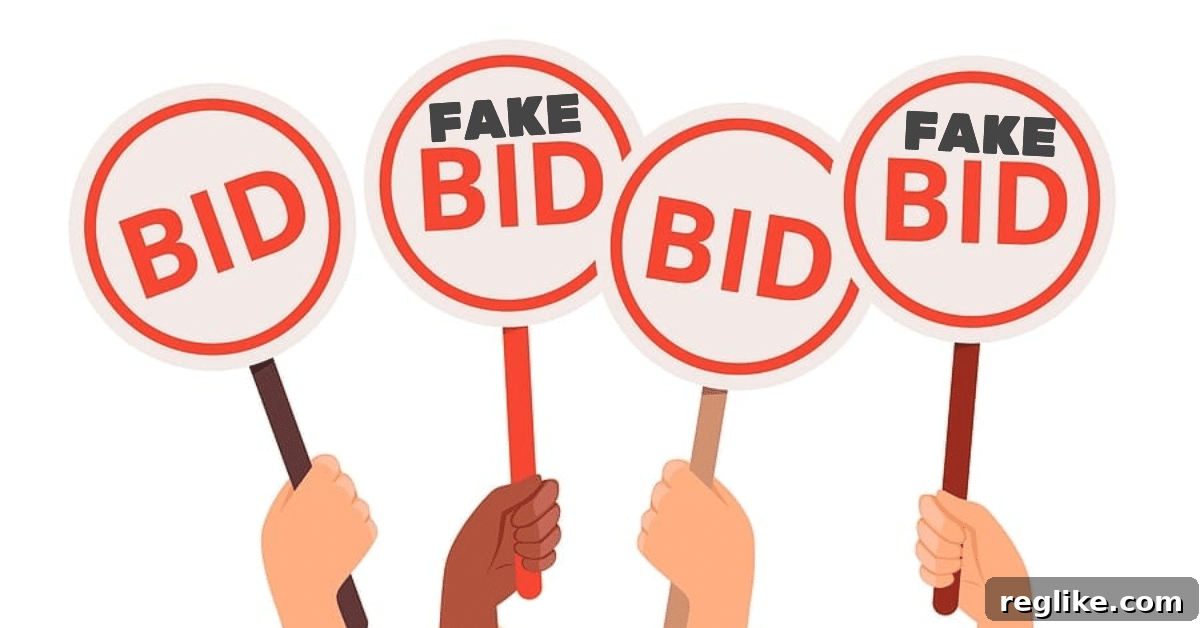
Bidders are right to be upset, but solutions can be controversial, too.
Navigating Expired Domain Auctions: Ensuring Trust and Fair Play Amidst Bidding Controversies
In the vibrant and often lucrative world of domain investing, expired domain auctions represent a significant opportunity. Savvy investors and businesses alike scour these auctions for valuable web real estate, aiming to acquire domains with existing SEO value, brand potential, or simply memorable names. However, the integrity of these auctions is paramount. Without a foundation of trust, the entire ecosystem falters, leading to frustration, lost opportunities, and a decline in participation. Recent discussions within the domain community have highlighted a pressing concern: the vulnerability of these auctions to manipulation and unfair practices, prompting platforms to re-evaluate and adapt their policies.

Unmasking Shill Bidding: A Threat to Auction Integrity
The core issue plaguing some expired domain auctions revolves around a deceptive practice commonly known as “shill bidding” or “bid rigging.” This manipulative tactic involves two colluding parties who artificially inflate the price of a domain, effectively pushing out genuine bidders. The concern gained significant traction following a candid back-and-forth on NamePros, a prominent forum for domain investors, where users detailed how these schemes operate and impact the fairness of the bidding process.
The modus operandi is straightforward yet highly damaging to legitimate participants. Two accounts, secretly controlled by the same individual or group, enter an auction. One account, designated as the “top bidder,” aggressively bids up the price, often in quick succession, driving the domain’s value far beyond what any authentic bidder might consider reasonable. This rapid escalation discourages other genuine bidders, who quickly find themselves outmatched or unwilling to pay an inflated price. Once the auction concludes, the “top bidder” deliberately defaults on payment. According to common practices, exemplified by platforms like GoDaddy, when the winning bidder fails to pay, the auction house often “rolls back” the bidding. This means they essentially pretend the highest bid never happened, offering the domain to the second-highest bidder at their last submitted price.
Herein lies the exploitation: since both the “top bidder” and the “second bidder” are controlled by the same entity, the fraudulent party ultimately secures the domain at the price they originally intended to pay, all while having successfully deterred other legitimate bidders through artificial price escalation. This manipulation creates an environment of distrust, leaving genuine domain investors feeling exploited and unwilling to participate in what they perceive as rigged auctions. The immediate consequence is not just financial loss for those who could have genuinely won the domain at a fair price, but also a significant erosion of confidence in the auction platform itself.
Addressing Bidder Frustration: The Search for Fairer Solutions
The widespread frustration among bidders facing such manipulation is entirely understandable. The question then becomes: what are the viable alternatives? How can auction platforms effectively combat these fraudulent practices while maintaining a fair and accessible environment for all users? The answer is complex, as solutions often come with their own set of challenges and potential controversies, impacting different stakeholders in unique ways.
Namecheap’s Evolving Stance on Non-Paying Bidders
A recent high-profile example illustrating the complexities of handling non-paying bidders involved Namecheap. Just a few weeks prior to these discussions, a domain investor publicly complained to Namecheap about its handling of defaulting winners. In that specific instance, the investor was the second-highest bidder, and the winning bidder failed to complete the purchase. Under Namecheap’s policy at the time, the investor believed they were obligated to buy the domain at their second-highest bid. This scenario, while seemingly logical on the surface (offering the domain to the next highest bidder), can be deeply problematic in the context of shill bidding, as it forces a legitimate bidder to potentially pay a price influenced by fraud.
Richard Kirkendall, the CEO of Namecheap, swiftly engaged with the community. He clarified that the investor was, in fact, not required to pay the second-highest bid. If they chose not to proceed, the domain would simply be relisted. However, the initial confusion surrounding this option highlighted a critical communication gap and the lack of clarity in existing policies, which further contributed to bidder unease and uncertainty.
Following this discussion and valuable community feedback, Kirkendall announced a significant policy change: Namecheap would no longer give the second-highest bidder the option to purchase the domain when the top bidder defaults. Instead, the auction would be entirely restarted. This shift marks a proactive step towards fairness. It removes the implicit pressure on the second-highest bidder to pay a potentially inflated price and ensures a fresh, untainted bidding process. While seemingly a straightforward solution, implementing such a change can pose considerable logistical challenges for large-scale domain marketplaces. These systems are often highly automated, and manually relisting a domain or recoding the entire workflow to handle domains that are on the verge of expiring requires significant technical involvement. Furthermore, in cases involving third-party registrar inventory, the auction house might even need to renew the domain itself to facilitate a new auction, adding layers of complexity and cost. Despite these hurdles, this policy change prioritizes the integrity of the auction and the trust of its participants.
The Implementation of Credit Card Pre-Authorization
Beyond relisting, Kirkendall also indicated another crucial change in the pipeline for Namecheap: the introduction of credit card authorizations for bidders as they participate in auctions. This measure aims to directly combat non-paying bidders and deter fraudulent activities at their source.
This approach isn’t new; it has a proven track record within the domain industry. Sav.com, another prominent domain marketplace, implemented credit card pre-authorizations a long time ago. Sav.com’s platform allows sellers to list any domain, which, in its early days, led to widespread complaints that some sellers were artificially “pumping up” prices by placing fake bids on their own listings. If no genuine bidder took the bait and placed a higher bid, sellers would simply relist the domain, repeating the cycle. To address this rampant issue and restore confidence, Sav.com introduced mandatory credit card pre-authorizations for bidding increments. This mechanism places a temporary hold on a small amount of funds (or the bid increment itself) on the bidder’s credit card, verifying their ability to pay and making it financially inconvenient for fraudsters to place numerous fake bids. The introduction of this system significantly restored trust in bidding at Sav.com, demonstrating its effectiveness as a deterrent.
While credit card pre-authorization is highly effective in cleaning up the bidding environment and preventing frivolous or fraudulent bids, it does come with potential drawbacks. It might slightly inconvenience legitimate bidders who need to undergo this authorization process, potentially leading to temporary holds on their funds or adding an extra step to their bidding experience. However, the consensus among platforms adopting this strategy is that the enhanced security, reduced fraud, and increased confidence for all participants far outweigh this minor inconvenience. It establishes a higher barrier to entry for malicious actors, thereby protecting the integrity of the auction for genuine investors.
Assessing the True Scale of the Problem
Despite the significant concerns raised by bidders and the proactive measures taken by platforms, it’s also worth examining the actual prevalence of these fraudulent activities. Michael Sumner of NameBio, a renowned resource for domain sales data, offered a valuable perspective on NamePros. He estimated that these bidding improprieties impact approximately 1 in every 1,000 auctions that receive bids. This statistic suggests that while the problem is real and impactful, it might not be as overwhelmingly widespread across all auctions as some perceive.
However, the statistical rarity doesn’t diminish its significance. As Sumner also pointed out, these improprieties tend to occur more frequently in higher-priced auctions, where the stakes are considerably higher. Such incidents become far more visible and have a greater psychological impact on the bidding community. An investor who loses out on a valuable domain due to a fraudulent scheme, or is pressured into a bad purchase, is likely to share their negative experience, propagating distrust far beyond the single affected auction. This “perception” problem is crucial; even if fraud is statistically uncommon, the belief that an auction platform is susceptible to manipulation can severely damage its reputation and deter participation from serious buyers.
The Imperative of Trust: Foundation of a Healthy Auction Ecosystem
Ultimately, the most critical factor for any domain auction platform is the trust it inspires in its bidders. If participants lose faith in the fairness, transparency, and security of the auction process, they will inevitably disengage. This decline in bidder confidence directly translates to reduced liquidity, lower prices, and a less vibrant marketplace for expired domains.
The proactive steps taken by platforms like GoDaddy, Namecheap, and Sav.com—ranging from immediate policy adjustments to more systemic changes like credit card pre-authorization and auction relisting—underscore a shared understanding of this fundamental principle. These measures, while sometimes controversial or logistically challenging, are essential investments in the long-term health and credibility of the domain auction ecosystem. By continually adapting to new threats and prioritizing the experience of legitimate bidders, these platforms can foster an environment where valuable expired domains find their rightful owners through fair and transparent competition, ensuring the sustained growth and vitality of the domain industry.