
The Curious Case of Tripping.com: Ingenious Branding or a Major Misstep?
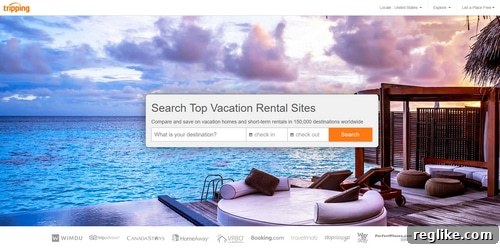
The modern digital landscape is fiercely competitive, especially in the travel sector. Brands constantly strive for memorability, distinctiveness, and a voice that resonates with their target audience. Yet, every so often, a branding choice emerges that defies conventional wisdom, sparking debate and leaving many wondering: is it sheer brilliance or an unfortunate oversight? Such was my recent experience, which began innocently enough while driving, listening to the radio.
A commercial break interrupted my thoughts, promoting a website dedicated to aggregating vacation rental listings. As someone who frequently books vacation homes – four to five times a year, in fact – my ears immediately perked up. This service sounded incredibly useful, promising to streamline the often-tedious process of finding the perfect getaway by pulling options from various platforms like HomeAway, VRBO, and others. My interest was piqued, and I leaned closer to catch the name of this promising new platform.
The Unforgettable Introduction: Hearing “Tripping.com” for the First Time
The announcer’s voice then delivered the website’s name: Tripping.com. A momentary pause in my own thoughts followed. Did I hear that correctly? My mind immediately began to process the implications of such a name. “Tripping.” The word immediately conjured up images and associations that seemed entirely at odds with a professional travel service. The term is widely understood to refer to the psychedelic experience induced by certain substances, an association far removed from idyllic family vacations or serene business retreats.
Sensing the potential for misunderstanding, the advertisement went a step further, an action that both confirmed and deepened my bewilderment. The announcer meticulously spelled out the domain: “That’s t-r-i-p-p-i-n-g dot com.” Without that explicit confirmation, I honestly might have questioned my hearing or assumed a phonetic misunderstanding. The need to spell out a domain name in an audio advertisement is, by most marketing standards, a significant red flag. It implies a lack of clarity, memorability, or a fundamental disconnect between the name and its intended purpose. Yet, here it was, boldly stated, leaving an indelible impression.
The “Radio Test” and the Art of Domain Naming
In the realm of branding and domain registration, there’s a widely accepted benchmark known as the “radio test.” This simple yet crucial concept dictates that a brand name or website address should be easily understood, spelled, and remembered by someone hearing it for the first time on the radio. If a listener has to pause, question, or requires a spelling clarification, the domain has, by definition, failed the radio test. The goal is instant recognition and effortless recall, ensuring potential customers can navigate to your site without friction or confusion.
Common pitfalls for domains failing the radio test include:
- Homophones: Words that sound alike but have different spellings (e.g., “site” vs. “sight” vs. “cite”).
- Abstract or Invented Words: Unless meticulously managed through branding, these can be hard to remember or spell.
- Hyphens or Numbers: While sometimes necessary, these often add a layer of complexity for verbal communication.
- Unusual Spellings: Deliberately misspelled words for uniqueness can backfire if not immediately intuitive.
Tripping.com, in its initial auditory presentation, unequivocally failed this fundamental test. The immediate association with illicit activities creates a cognitive dissonance that demands clarification. Yet, this very failure might be its most powerful, albeit unconventional, asset. It forces a pause, compels a listener to pay attention, and instills a sense of curiosity that conventional, safe names simply cannot achieve. This paradox is what makes Tripping.com such a fascinating case study in modern branding.
The Ingenious Perspective: Why Tripping.com Might Be a Stroke of Genius
Despite its initial shock value and apparent failure of the radio test, a compelling argument can be made for Tripping.com as an ingenious branding choice. In a crowded marketplace, standing out is paramount, and this domain name certainly achieves that. Let’s delve into why this controversial choice might actually be a masterstroke:
- Unforgettable Memorability: The name is inherently memorable precisely because it’s startling and unexpected. It creates an instant hook, ensuring that once heard, it’s rarely forgotten. This distinctiveness cuts through the noise of generic travel-related names.
- Wordplay and Double Meaning: The brilliance lies in the double entendre. While “tripping” colloquially refers to drug-induced states, its primary dictionary definition relates to “taking a trip” or “stumbling lightly.” For a vacation rental aggregator, “taking a trip” is the most direct and relevant meaning. The subversive second meaning adds a layer of edgy sophistication and humor, appealing to a demographic that appreciates unconventionality.
- Target Audience Resonance: Who is the target demographic for a vacation rental aggregator? Often, it’s individuals or groups seeking adventure, new experiences, and perhaps a break from the mundane. The name “Tripping.com” subtly aligns with a desire for escapism, spontaneity, and memorable journeys – perhaps even a slightly wilder, less conventional travel experience than one might find elsewhere. It hints at excitement and the unexpected.
- Viral Potential and Buzz: Controversy, even mild, fuels discussion. A name like Tripping.com naturally becomes a talking point. People will share it, question it, and remember it simply because it’s so unusual. This organic word-of-mouth marketing can be invaluable, especially for a startup trying to gain traction against industry giants.
- Brand Personality: The name imbues the brand with a distinct personality. It suggests a company that is bold, unafraid to challenge norms, and perhaps a bit playful. This can differentiate it from more staid, corporate competitors, attracting customers who prefer brands with character.
The “Dumb” Argument: Potential Pitfalls and Negative Implications
While the arguments for ingenuity are compelling, we cannot ignore the significant risks and potential downsides associated with such a provocative name. The “dumb” argument focuses on the immediate hurdles and long-term brand challenges it might create:
- Negative Connotations and Brand Image: The most obvious drawback is the immediate and widespread association of “tripping” with drug use. This can alienate large segments of the population, particularly families, older travelers, corporate clients, or those seeking a more traditional, secure, and reputable travel experience. A brand image tainted by perceived drug references might struggle to gain trust and widespread acceptance.
- Professionalism and Credibility: Some might view the name as unprofessional or even irresponsible. In an industry where trust and reliability are paramount, a name that flirts with controversial imagery could undermine a company’s perceived credibility, leading potential customers to question its legitimacy or seriousness.
- SEO Challenges and Keyword Misalignment: While the name is memorable, it creates potential challenges for search engine optimization. Users searching for vacation rentals are likely to use terms like “vacation homes,” “travel accommodations,” “holiday rentals,” or “trip planner.” The keyword “tripping” on its own carries a heavy baggage of unrelated search intent, potentially requiring more effort and budget to ensure the site ranks for relevant travel terms.
- Constant Need for Explanation: As observed in the radio ad, the name requires explicit spelling out and clarification. This isn’t just a radio ad problem; it extends to casual conversations, press mentions, and even printed materials. A brand that consistently needs to explain its name expends valuable marketing energy that could be better used communicating its value proposition.
- Limited Growth and Expansion: Should Tripping.com ever wish to expand beyond vacation rentals into other travel services (e.g., flight booking, car rentals), the name might become even more incongruous. Its specific, double-edged connotation could limit the brand’s versatility and ability to pivot or diversify its offerings smoothly.
The High-Wire Act of Bold Branding: Risk Versus Reward
The case of Tripping.com exemplifies the high-wire act that is bold branding. Every company, especially startups, faces a fundamental choice: play it safe with a generic, descriptive name, or take a calculated risk with something provocative and memorable. Generic names, while clear, often struggle to stand out in a sea of similar options. They might be easy to understand but equally easy to forget. Bold names, on the other hand, promise distinctiveness and buzz but carry the inherent danger of misinterpretation or alienation.
Brands like Virgin, Apple (initially whimsical for a tech company), or even Google (a misspelling of “googol”) show that unconventional names can achieve monumental success. These brands, however, often built their reputation through relentless marketing, innovative products, and consistent service, eventually redefining what their names meant in context. The risk is in whether a nascent brand has the resources and resilience to overcome initial skepticism and establish its intended meaning firmly in the public consciousness.
Ultimately, the success of a controversial name like Tripping.com hinges on several factors: the effectiveness of its marketing campaigns in clarifying its purpose, the quality of its service in building trust, and its ability to cultivate a loyal customer base that embraces its unique identity. It’s a gamble, but one that, if it pays off, can yield dividends in terms of brand recognition and market share that safer choices might never achieve.
Conclusion: Ingenious or Ill-Advised? The Jury is Still Out
Reflecting on Tripping.com, I remain perched on the fence, albeit leaning slightly towards appreciating its audacity. It perfectly encapsulates the tension between traditional branding wisdom and the modern imperative to capture attention in an oversaturated market. On one hand, it undeniably fails the fundamental “radio test,” requiring immediate clarification and battling potentially negative associations. This aspect alone would deter many a marketing strategist.
Yet, on the other hand, its sheer distinctiveness and clever wordplay make it incredibly memorable and a natural conversation starter. It projects a brand personality that is anything but bland, potentially resonating powerfully with a demographic seeking adventure and unique travel experiences. In an era where authenticity and breaking the mold are often celebrated, Tripping.com might just be a testament to the power of unconventional thinking in branding.
Whether it ultimately proves to be an ingenious stroke of marketing genius or an ill-advised misstep will be determined by its longevity, its market penetration, and its ability to consistently redefine the public’s perception of the word “tripping” within the context of travel. For now, it stands as a fascinating example of how a name, initially perceived as problematic, can spark debate and capture attention – an invaluable commodity in today’s digital world. What do you think? Is it a brilliant risk or a branding blunder?