
Domain Name Companies Spend Millions Lobbying on Capitol Hill
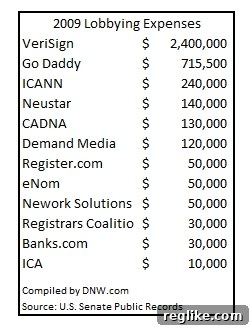
In the ever-evolving landscape of the internet, domain names hold a significant position. They are the gateways to online businesses, personal websites, and a myriad of other online ventures. With such importance, it’s no surprise that companies involved in the domain name industry actively engage with policymakers to influence legislation and regulations that could impact their operations. A considerable amount of money is spent each year on lobbying efforts. Last year alone, domain name companies and related businesses spent an estimated $4 million lobbying Congress, demonstrating the high stakes involved in shaping the future of the internet.
This figure, compiled from public records filed under the Lobbying Disclosure Act, provides valuable insights into the priorities and concerns of these companies. Domain Name Wire, a leading source of information on the domain name industry, has meticulously analyzed these records to provide a comprehensive overview of the lobbying expenditures of various organizations throughout the year. This analysis sheds light on which companies are most actively involved in influencing policy, the specific issues they are targeting, and the overall impact of their efforts on the industry.
VeriSign Leads the Way in Lobbying Expenditures
Leading the pack in lobbying expenditures is VeriSign, a prominent player in the domain name industry. VeriSign spent a substantial $2.4 million to influence matters related to domain name addressing, internet taxation, phishing, and email legislation. Their broad focus reflects the diverse challenges and opportunities facing the domain name industry, from ensuring the security and stability of the domain name system to addressing emerging threats such as phishing and spam.
VeriSign’s extensive lobbying efforts highlight the importance of government regulation in shaping the future of the internet. As a key player in the domain name infrastructure, VeriSign recognizes the need to engage with policymakers to ensure that regulations are fair, balanced, and supportive of innovation and growth. Their lobbying activities are aimed at promoting policies that will protect consumers, foster competition, and encourage the continued development of the internet.
Go Daddy Invests Heavily in Targeted Online Advertising and Deep Packet Inspection
Following closely behind VeriSign is Go Daddy, another major player in the domain name industry. Go Daddy spent $715,500 on a number of matters, with a particular focus on targeted online advertising and deep packet inspection. Targeted online advertising is a critical component of many online businesses, allowing them to reach potential customers with relevant and personalized messages. However, concerns have been raised about the privacy implications of targeted advertising, leading to increased scrutiny from regulators and policymakers.
Deep packet inspection is another area of growing interest, as it involves examining the contents of network traffic to identify and manage different types of data. While deep packet inspection can be used to improve network performance and security, it also raises concerns about privacy and net neutrality. Go Daddy’s lobbying efforts in these areas reflect the company’s commitment to staying ahead of the curve and ensuring that regulations are aligned with the needs of its customers and the broader internet community.
ICANN Seeks Further Independence Through Lobbying Efforts
The Internet Corporation for Assigned Names and Numbers (ICANN), the non-profit organization responsible for coordinating the global internet’s domain name system, spent $240,000 on lobbying efforts. With ICANN working to gain further independence from the U.S. government, its lobbying activities are focused on issues such as new generic top-level domains (gTLDs), independence from UN/ITU/government capture, and post-JPA cooperation with the USG (United States Government). ICANN’s efforts to assert its independence are driven by a desire to ensure that the internet remains open, accessible, and free from undue influence from any single government or organization.
The introduction of new gTLDs is a significant development in the domain name industry, as it allows businesses and organizations to register domain names that are more relevant to their brands and activities. ICANN’s role in managing the gTLD application process has been the subject of much debate, with some critics arguing that the process is too expensive and complex. ICANN’s lobbying efforts are aimed at addressing these concerns and ensuring that the gTLD program is implemented in a fair and transparent manner.
Neustar, Coalition Against Domain Name Abuse, and Internet Commerce Association Weigh In
Neustar, another key player in the domain name industry, spent $140,000 on matters including those related to ICANN. The Coalition Against Domain Name Abuse (CADNA) spent $130,000, while the Internet Commerce Association (ICA) spent $10,000. These organizations represent different segments of the domain name industry, and their lobbying efforts reflect their unique perspectives and priorities.
CADNA, for example, is focused on combating domain name abuse, such as cybersquatting and phishing. Their lobbying efforts are aimed at strengthening laws and regulations that protect consumers and businesses from these harmful activities. The ICA, on the other hand, represents the interests of domain name investors and developers. Their lobbying efforts are focused on promoting policies that support the growth and development of the domain name industry.
Demand Media and eNom Collaborate on Lobbying Efforts
Demand Media and its eNom subsidiary collectively spent $170,000 on lobbying. eNom’s portion was specifically focused on “Providing information to Congress regarding generic top level domain names.” This collaborative effort underscores the importance of educating policymakers about the complexities and nuances of the domain name industry.
By providing accurate and reliable information to Congress, Demand Media and eNom are helping to shape policies that are informed by the realities of the domain name marketplace. Their lobbying efforts are aimed at ensuring that regulations are based on sound evidence and a thorough understanding of the industry’s dynamics.
Banks.com Battles for IRS.com
Banks.com spent $30,000 on lobbying, including on issues of “Treasury Department Symbols.” This is directly related to the company’s ongoing battle to retain ownership of the IRS.com domain name. This case highlights the importance of domain names as valuable assets and the legal battles that can arise over their ownership.
Banks.com’s lobbying efforts are aimed at protecting its investment in the IRS.com domain name and ensuring that the government does not unfairly infringe on its rights. The outcome of this case could have significant implications for other domain name owners and the future of domain name regulation.
Non-Domain Name Companies Engage in Domain Name Issues
It’s not just domain name companies that are engaging with policymakers on domain name issues. Companies from other industries are also recognizing the importance of domain names and their impact on their businesses. The Christian Coalition of America, for example, lobbied to try to stop the .xxx top-level domain name. Xerox and Time Warner also pushed issues related to internet domain names and trademarks.
These examples demonstrate the growing recognition that domain names are not just technical identifiers but also valuable brand assets and important tools for online communication and commerce. As the internet continues to evolve, it is likely that more and more companies from diverse industries will become involved in shaping the policies and regulations that govern the domain name system.
The millions of dollars spent on lobbying efforts by domain name companies and related businesses underscore the importance of this industry and the high stakes involved in shaping the future of the internet. By engaging with policymakers and advocating for their interests, these companies are playing a vital role in ensuring that the internet remains a vibrant, innovative, and accessible platform for all.