
Building Digital Trust: The Critical Importance of Domain Consistency for Your Brand’s Credibility
In the vast and often treacherous landscape of the internet, consumer trust stands as the bedrock of any successful online business. Every digital interaction, from a simple email notification to a crucial payment transaction, contributes to or detracts from this invaluable trust. For businesses, maintaining a consistent, clear, and professional digital presence across all touchpoints is no longer just a best practice; it’s an absolute necessity. This consistency acts as a shield against skepticism and a beacon of legitimacy in an age rife with cyber threats and online scams.
A recent personal experience involving a routine magazine subscription renewal vividly illuminated how seemingly minor inconsistencies in digital communication can collectively erode confidence. Even when the underlying transaction is legitimate, a disjointed user journey can trigger suspicion, leading to hesitation, abandonment, and ultimately, lost revenue. This article delves deep into the critical role of domain consistency and transparent communication, using this real-world example to underscore why meticulous attention to these details is paramount for any brand aiming to build and sustain digital trust.
The Anatomy of Distrust: A Forbes Subscription Renewal Case Study
The initial step in my subscription renewal was straightforward and traditional: I mailed a business reply postcard, complete with my credit card details, to extend my Forbes subscription. Having completed my part, I expected a seamless continuation of service. However, the subsequent digital communication I received introduced several unsettling elements that challenged the perceived legitimacy of the entire process.
An email arrived, ostensibly from Forbes, requesting me to confirm my subscription and re-enter my credit card details. While certain indicators, such as a pre-populated landing page with my personal information, hinted at its authenticity, my inherent digital caution was immediately activated. In an era where phishing scams grow increasingly sophisticated, consumers are trained to scrutinize every detail. Any deviation from a brand’s established online identity, no matter how small, can provoke immediate skepticism and put critical transactions at risk. Let’s explore the three primary issues that severely undermined the credibility of this otherwise legitimate email.
1. The Anomalous Email Sender: When Your Brand’s Identity Gets Lost in Translation
The first and most immediate red flag was the sender’s email address: [email protected]. For a globally recognized and respected brand like Forbes, an email originating from an unfamiliar domain instantly triggers suspicion. Most discerning users expect communications from Forbes to come from a Forbes.com address or a clearly identifiable subdomain, such as newsletters.forbes.com or subscriptions.forbes.com.
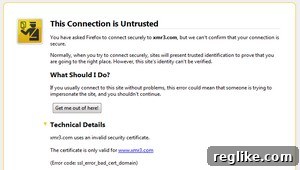
A quick investigation revealed that xmr3.com is associated with an email marketing company, a third-party vendor Forbes utilizes for managing its subscription emails. While outsourcing email services is a common and often efficient business practice, the method of implementation here is critically flawed from a trust perspective. When the sender domain visually deviates so starkly from the brand’s primary domain, it creates an immediate sense of unease. This inconsistency makes it incredibly challenging for recipients to discern genuine brand communications from malicious phishing attempts, which frequently employ similar tactics to spoof legitimate senders.
The Far-Reaching Implications of Sender Domain Inconsistency:
- Heightened Phishing Risk: By using unbranded domains, businesses inadvertently train their users to ignore a primary indicator of phishing emails – the sender address. This desensitization makes customers more susceptible to actual scams.
- Erosion of Brand Identity: The email sender address is an integral part of a brand’s digital identity. Inconsistency weakens brand recognition and diminishes the perceived professionalism and authority of the communication.
- Impact on Email Deliverability: Consistent use of a recognized and properly authenticated domain (via SPF, DKIM, and DMARC records) significantly contributes to a positive sender reputation. Emails from unfamiliar or generic domains are more likely to be flagged as spam or blocked outright by email service providers.
- Instant Consumer Skepticism: In an era of heightened cybersecurity awareness, users are trained to be wary. A suspicious-looking sender address is often enough to send an email straight to the trash, unread, or even reported as spam, regardless of its true legitimacy.
For businesses, ensuring that all email communications, even those managed by third-party providers, consistently reflect the brand’s official domain or a clearly linked subdomain is crucial. This not only reinforces brand identity but also strengthens security measures, offering customers a clearer, more trustworthy digital experience.
2. The Disconnected Destination: Landing on an Unfamiliar and Uninformative Website
The second major point of concern arose when I clicked the link within the email: it led directly to BuySub.com. While Forbes.com does, in fact, link to BuySub.com for certain subscription services—confirming its legitimate role as a third-party subscription fulfillment provider—this context is largely unknown to the average consumer. Most users expect to remain within the brand’s primary domain (e.g., Forbes.com) or at least be redirected to a clearly co-branded page that visually links back to the original brand.
Adding to the distrust, attempting to visit BuySub.com directly by typing it into a browser yields a generic “403 Forbidden” error page. This absence of any explanatory content or a welcoming landing page on the third-party domain itself is a significant oversight. A legitimate business website, even one serving primarily as a backend service, should ideally offer some basic information about its purpose, its ownership, and its relationship with its partners. Without this crucial context, BuySub.com appears broken, unmaintained, or, once again, suspicious to the wary internet user.
The Adverse Effects of a Disjointed User Journey:
- Compromised User Experience (UX): A seamless online experience is paramount for building trust and facilitating conversions. Abruptly shifting to a different domain without clear explanation creates friction, confusion, and anxiety.
- Elevated Security Concerns: Consumers are constantly warned against entering sensitive information, especially credit card details, on unfamiliar websites. A lack of strong brand continuity between the email, the original brand, and the destination website makes this a difficult, if not impossible, ask for many users.
- Increased Abandonment Rates: Every point of doubt or hesitation in a transaction funnel significantly increases the likelihood of users abandoning the process, leading directly to lost sales and conversions.
- Negative Brand Perception: Even if the third-party site is legitimate and secure, its poor presentation or lack of informative content reflects negatively on the primary brand that chooses to outsource its services in this manner.
To counteract these issues, businesses leveraging third-party services must prioritize transparency and seamless brand integration. This includes implementing strategies such as co-branded landing pages, providing clear disclaimers or explanations on the primary website regarding third-party involvement, or integrating payment gateways directly within the main site to keep the user within the brand’s perceived digital ecosystem. A well-designed user journey minimizes friction and maximizes trust.
3. Generic Messaging: The Detriment of Neglecting Personalized Communication
The final element that severely weakened the email’s credibility was the content of the landing page itself. Despite the email being a request for a renewal of an existing subscription, the page greeted me with: “Thank you for choosing Forbes! Delivery of your subscription will begin in 6 to 8 weeks. Please confirm the information below.” The page then displayed a start date in January, which technically aligned with the first issue of my new subscription term.
However, this generic greeting, clearly tailored for new subscribers, completely overlooked the crucial fact that I am an existing, renewing customer. While the underlying data might have been accurate, the messaging failure was profound. It signaled a distinct lack of personalization and an apparent disregard for the specific stage of my customer journey. Such an impersonal approach can significantly undermine a loyal customer’s sense of value and reinforce the perception that the brand views them merely as another transaction, rather than a valued patron.
Why Personalization is Now an Imperative, Not a Luxury:
- Enhancing Customer Recognition: Existing customers expect to be acknowledged and recognized. Generic messaging makes them feel like just another data point, diminishing their connection and loyalty to the brand.
- Fostering Stronger Relationships: Personalized communication builds and strengthens customer relationships. It demonstrates that the brand understands and values its customers individually, leading to increased loyalty and engagement.
- Eliminating Confusion and Ambiguity: Tailored messages remove doubt. A renewal confirmation should unequivocally state its purpose as a renewal, clearly confirming existing subscription details rather than ambiguously suggesting a new subscription.
- Crucial for Customer Retention: In an era where customer acquisition costs are steadily rising, retaining existing customers is paramount. A frictionless, personalized renewal process is a key strategy for preventing voluntary churn and maximizing customer lifetime value.
- Reflecting Data Integration Maturity: Generic messaging often points to either a lack of sophisticated integration between different customer relationship management (CRM) systems or a deliberate (and often misguided) choice to simplify processes at the expense of a superior customer experience.
Modern marketing automation and CRM platforms offer extensive capabilities to segment audiences and deliver highly personalized content dynamically. Businesses must leverage these tools to ensure that all transactional emails and landing pages are contextually relevant, whether they pertain to a new sign-up, a renewal, an upgrade, or a cancellation confirmation. The investment in precise, tailored content pays dividends in enhanced customer satisfaction, stronger loyalty, and ultimately, improved retention rates.
The Cumulative Effect: Erosion of Trust and Tangible Revenue Loss
While each of these three issues—the suspicious email sender, the unfamiliar landing page, and the generic messaging—might be considered minor in isolation, their combined impact is a significant erosion of trust. The convergence of these inconsistencies created an experience that felt less like a legitimate brand interaction and more like a potential scam that demanded extreme caution. My initial 99% certainty of legitimacy quickly diminished in the face of these multiple red flags.
As a direct consequence, despite the email’s probable authenticity, I chose not to re-enter my credit card information on BuySub.com. My decision was resolute: if Forbes genuinely needed this data, they could leverage the details I had already provided via the postcard. Otherwise, I was prepared to allow my subscription to lapse. This personal anecdote highlights a broader, critical truth for businesses: when customer trust is compromised, even by legitimate operational shortcomings, it directly leads to decreased conversion rates, increased customer churn, and ultimately, substantial revenue loss.
Countless other subscribers, perhaps less inclined or equipped for “web research” to verify legitimacy, or simply less tolerant of such inconsistencies, would undoubtedly make the same decision. Many might even report the email as spam, further damaging the brand’s sender reputation. This translates directly into quantifiable financial losses for the business, increased customer acquisition costs to replace lost subscribers, and a long-term detriment to overall brand reputation.
Essential Strategies for Cultivating and Sustaining Digital Trust:
- Establish a Unified Brand Identity: Ensure that every digital touchpoint – emails, official websites, social media profiles, and third-party integrations – consistently reflects your brand’s official domain, visual identity, and tone of voice.
- Prioritize Transparent Third-Party Integration: If utilizing external services, clearly communicate their role to your customers. Ensure these third-party platforms are seamlessly integrated, potentially co-branded, and offer clear context about their function.
- Embrace Personalization at Scale: Invest in robust CRM and marketing automation platforms to segment your audience effectively and deliver relevant, personalized content throughout every stage of the customer lifecycle.
- Educate Your Customer Base: Empower your customers by providing clear guidelines on how to identify legitimate communications from your brand, what security measures you employ, and what to do if they suspect a scam.
- Conduct Regular Digital Audits: Periodically review your entire customer journey, from initial contact to post-purchase support, to proactively identify and rectify any inconsistencies or trust-eroding elements.