
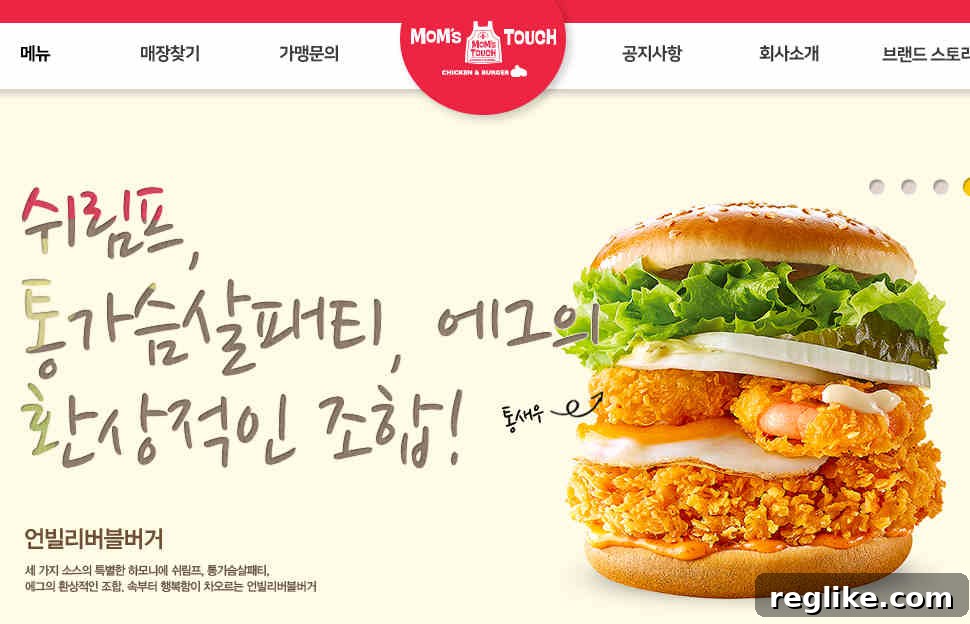
A significant domain name dispute involving the rapidly expanding Korean fast-food chain, Mom’s Touch, and veteran domain investor GNO, Inc. (Gregg Ostrick), has reached a conclusive settlement. This high-profile case, which saw a company attempt to secure a vital domain through a UDRP only to face a pre-emptive lawsuit, underscores the intricate complexities of digital brand protection and domain ownership in the modern era.
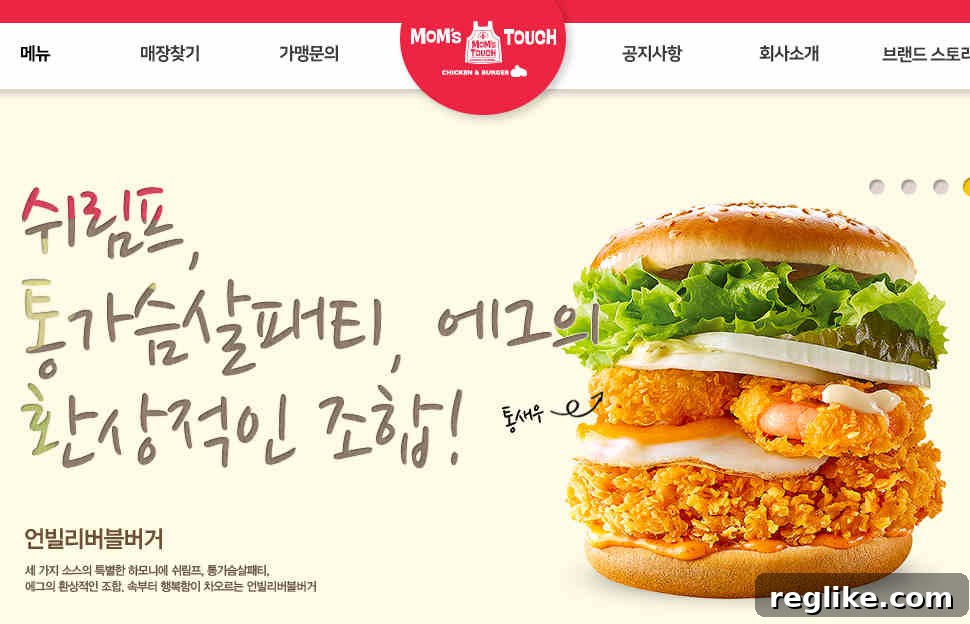
The Korean fast-food giant Mom’s Touch, renowned for its delectable chicken and burgers, has officially concluded a legal battle concerning the coveted domain name MomsTouch.com. The lawsuit, initiated by seasoned domain name investor GNO, Inc., led by Gregg Ostrick, brought to light critical aspects of international brand strategy, domain investing, and the often-contentious intersection of trademark rights and domain ownership.
The Genesis of a Dispute: Mom’s Touch and a Prized Domain
Mom’s Touch, under its parent company Haimarrow Food Service, Co., Ltd., has experienced meteoric growth within South Korea and has set its sights on global expansion. A key component of any global branding strategy in the digital age is securing a corresponding, intuitive domain name. For a brand like Mom’s Touch, MomsTouch.com represents not just a website address but a cornerstone of its digital identity, marketing efforts, and direct consumer engagement platform. Owning the exact-match .com domain is paramount for establishing credibility, ensuring easy recall, and fending off potential online confusion or dilution of the brand.
Recognizing the strategic value of MomsTouch.com, Haimarrow Food Service initiated a Uniform Domain-Name Dispute-Resolution Policy (UDRP) complaint in August 2020. This complaint was filed with the Asian Domain Name Dispute Resolution Centre, targeting GNO, Inc., the long-standing registrant of MomsTouch.com. UDRP is an administrative procedure established by the Internet Corporation for Assigned Names and Numbers (ICANN) to provide a relatively quick and cost-effective method for trademark holders to recover domain names that have been registered and used in bad faith.
Understanding the UDRP Framework
For a UDRP panel to order the transfer of a domain name, the complainant (in this case, Mom’s Touch) must satisfy three stringent criteria:
- The domain name is identical or confusingly similar to a trademark in which the complainant has rights.
- The registrant (GNO, Inc.) has no rights or legitimate interests in respect of the domain name.
- The domain name has been registered and is being used in bad faith.
While UDRP is generally perceived as favorable to trademark holders, particularly against clear cases of “cybersquatting” (registering a domain with the intent to profit from another’s trademark), it is not a guaranteed win. Domain investors like GNO, Inc. often register generic or descriptive terms, or even seemingly brandable terms, based on their inherent value rather than a specific intent to target a particular trademark. The distinction between legitimate domain investing and cybersquatting often lies at the heart of these disputes.
GNO’s Strategic Counter-Move: A Lawsuit Alleging Reverse Domain Name Hijacking
Before the UDRP panel could render a decision on Mom’s Touch’s complaint, GNO, Inc. took a bold and decisive step. The domain investor filed a comprehensive lawsuit in a Colorado court. The choice of jurisdiction was strategic: Colorado is where Name.com, the domain registrar at the time, is located. This move effectively brought the dispute under the purview of U.S. federal law, specifically the Anticybersquatting Consumer Protection Act (ACPA), which offers different legal avenues and protections than the UDRP process.
GNO’s lawsuit sought two critical forms of relief:
- Declaratory Relief: GNO requested the court to issue a judgment declaring that its registration and use of MomsTouch.com were legitimate and did not violate Mom’s Touch’s trademark rights. This is a common tactic by domain owners to affirm their rights against trademark claims, especially when they believe they have a strong legal basis for ownership.
- A Finding of Reverse Domain Name Hijacking (RDNH): This was perhaps the most significant and aggressive aspect of GNO’s claim. Reverse Domain Name Hijacking occurs when a trademark owner attempts to use the UDRP process in bad faith to improperly seize a domain name from its legitimate registrant. It implies that the complainant knew or should have known that it did not have a strong claim under UDRP but proceeded anyway, often to harass or pressure the domain owner into relinquishing the domain. A finding of RDNH is a serious rebuke to a complainant and can have reputational and even financial consequences.
By filing this lawsuit, GNO effectively shifted the battleground from an administrative panel, which typically doesn’t award monetary damages or consider RDNH claims in the same depth as a court, to a U.S. federal court. This move signaled GNO’s unwavering commitment to defending its domain assets and challenging what it perceived as an overreach by a powerful brand.
The Path to Resolution: Settlement and Domain Transfer
The lawsuit introduced a new level of complexity and potential cost for both parties. Litigation, especially in federal court, can be protracted, expensive, and unpredictable. Faced with the possibility of a lengthy legal battle and the risk of an RDNH finding, Haimarrow Food Service likely re-evaluated its strategy. For GNO, while confident in its position, a settlement offered a guaranteed resolution and fair compensation without the continued burden of litigation.
The first public indication of progress came when GNO recently filed a notice of settlement discussions with the Colorado court. This was quickly followed up by a notice of dismissal filed this week, signaling that both parties had reached a mutually agreeable resolution and were dropping their respective claims.
The most compelling evidence of the settlement’s outcome appeared on March 2, when the Whois record for MomsTouch.com underwent a significant change. The domain name was transferred from Name.com, GNO’s previous registrar, to GoDaddy.com. Such a transfer, particularly post-settlement, strongly suggests that a key component of the agreement involved the Korean chicken restaurant chain acquiring the domain from GNO, Inc. This allows Mom’s Touch to unify its brand presence under the ideal MomsTouch.com domain, a crucial step for its global marketing and digital strategy.
Broader Implications: Lessons for Brands and Domain Investors
This case serves as a profound learning experience for both emerging and established brands, as well as for domain investors navigating the digital landscape.
For Brands: Proactive Protection is Key
The Mom’s Touch dispute highlights the critical importance for brands to be proactive in securing key domain names, especially exact-match .com domains, as early as possible. Waiting until a brand has gained significant traction, particularly internationally, often means the desired domain may already be in legitimate hands, leading to costly disputes or the necessity of using less ideal domain extensions. International trademark registration and concurrent domain acquisition strategies should be foundational elements of any global expansion plan.
For Domain Investors: Defending Legitimate Ownership
For domain investors like Gregg Ostrick and GNO, Inc., this settlement reinforces the legitimacy of their business model. It demonstrates that holding valuable, generic, or brandable domains can be a legitimate investment and that aggressive defense against unsubstantiated trademark claims, including allegations of reverse domain name hijacking, can lead to favorable outcomes. This case underscores the need for domain owners to understand their rights and be prepared to defend them against powerful corporate entities.
The Interplay of UDRP and National Legal Systems
The Mom’s Touch vs. GNO case perfectly illustrates the dynamic interplay between the administrative UDRP process and national legal systems. While UDRP offers a streamlined approach, national courts, particularly in the U.S. with laws like ACPA, can provide broader remedies and stronger protections for domain owners. The strategic decision by GNO to file a lawsuit before a UDRP decision highlights how an understanding of these different legal avenues can significantly impact the trajectory and outcome of a domain dispute.
The Value of Digital Assets
Ultimately, this case underscores the immense and ever-growing value of digital assets, particularly premium domain names, in the global economy. For Mom’s Touch, MomsTouch.com is more than just an address; it’s a gateway to millions of potential customers, a symbol of brand authenticity, and a critical piece of its future success. For GNO, Inc., it was a significant investment that, through strategic defense and negotiation, yielded a positive return.
Conclusion: A Successful Resolution for Both Parties
The settlement between Mom’s Touch and GNO, Inc. brings a long-standing domain name dispute to an amicable close. While the exact terms of the settlement remain confidential, the domain transfer clearly indicates that Mom’s Touch has successfully acquired MomsTouch.com, solidifying its online presence. For GNO, Inc., the outcome represents a successful monetization of a valuable digital asset and a vindication of its stance against what it deemed an attempt at reverse domain name hijacking.
This saga serves as a compelling reminder for businesses to prioritize their digital branding from the outset and for domain investors to remain vigilant in defending their legitimate holdings. In the complex world of domain names, a clear understanding of legal frameworks and strategic positioning is paramount for achieving successful resolutions.