
Exploring the Multifaceted World of Pinyin Names: The Li Xiang Phenomenon
In the rapidly evolving landscape of global business and digital presence, a name carries immense power. This is especially true when bridging linguistic and cultural divides, as exemplified by the intriguing case of “Li Xiang.” Whether you’re a discerning electric vehicle enthusiast, a seasoned domain investor, or simply fascinated by the intricacies of brand identity, the story of Li Xiang offers a compelling insight into the strategic value of Pinyin and the profound impact of a well-chosen name.
At its core, “Li Xiang” (理想) represents an “ideal” – a perfect vision or aspiration. Yet, the same Pinyin pronunciation can signify a multitude of other meanings, making it a powerful linguistic tool. This article delves into the journey of Li Auto (formerly Li Xiang), its visionary founder, and the strategic acquisition of the LiXiang.com domain, highlighting how a single Pinyin combination can unlock diverse opportunities in branding, marketing, and domain investment.
Li Auto: A Visionary’s Journey to the Forefront of the EV Market
The narrative of Li Xiang begins with its namesake and founder, Li Xiang (李想), a celebrated serial entrepreneur renowned for his foresight and innovation. Before venturing into the electric vehicle revolution, Li Xiang established himself as a titan in China’s automotive digital space by founding Autohome, which grew to become the nation’s premier car information website. His success with Autohome demonstrated a keen understanding of consumer needs and market dynamics, paving the way for his next ambitious undertaking.
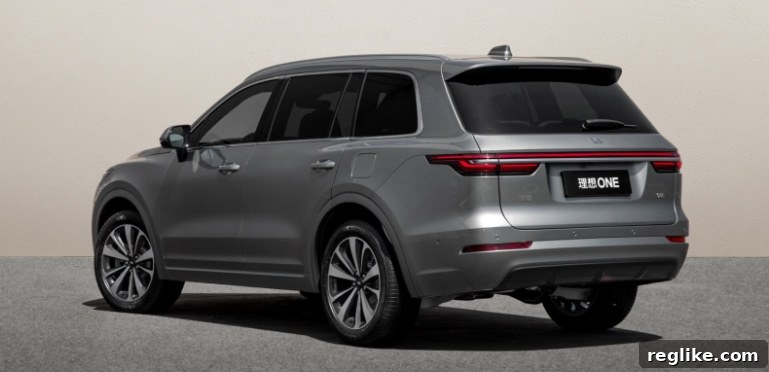
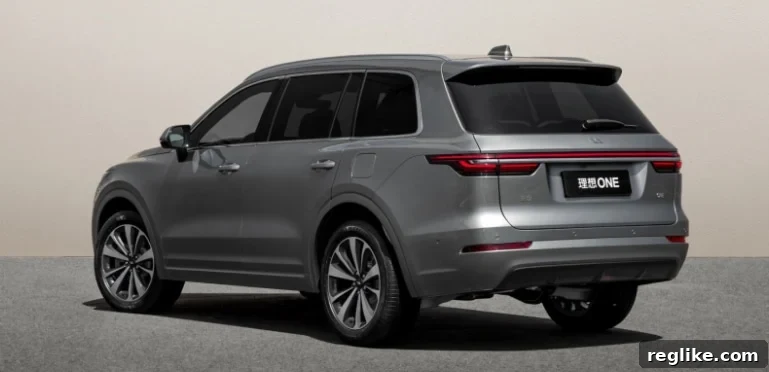
In 2015, fueled by a passion for sustainable transportation and a strategic vision for the future, Li Xiang founded his electric vehicle company. He named it “Li Xiang” (理想), directly translating to “Ideal,” embodying the company’s commitment to delivering an ideal driving experience through cutting-edge technology and innovative design. This symbolic naming choice, reflecting the company’s aspirations, was complemented by the astute acquisition of the matching Pinyin domain, LiXiang.com. The seamless alignment between the brand name and its digital address created a strong, memorable, and authentic identity right from the outset.
Li Auto’s rise has been nothing short of meteoric. The company quickly distinguished itself in China’s fiercely competitive new energy vehicle (NEV) market, known for its rapid advancements and a growing consumer base eager for electric alternatives. By focusing on extended-range electric vehicles (EREVs), Li Auto addressed early concerns about range anxiety, a significant barrier for many potential EV buyers. This strategic product positioning resonated deeply with consumers, leading to an explosion in sales. By the end of last year, Li Auto had remarkably become the best-selling brand in new energy SUVs in China, a testament to its innovative engineering and market-centric approach. The same year marked another significant milestone for the burgeoning car startup: it successfully went public on the Nasdaq Stock Market, cementing its status as a major player on the global automotive stage and attracting international investor attention.
The Power of Pinyin: Unpacking Multiple Meanings and Opportunities
One of the most fascinating aspects of the Li Xiang story lies in the inherent nature of Pinyin itself. Pinyin is the official romanization system for Standard Chinese, allowing Mandarin Chinese to be written using the Latin alphabet. While incredibly useful for pronunciation and input, Pinyin often carries a unique linguistic characteristic: a single Pinyin word or syllable combination can represent multiple distinct Chinese characters, each with its own unique meaning. This phenomenon, rooted in the tonal nature of Mandarin and the abundance of homophones, creates a rich tapestry of interpretations for Pinyin-based names and domains.
Consider the name “Li Xiang.” On the surface, both the entrepreneur and his brand share the same Pinyin spelling and pronunciation. However, their underlying Chinese characters reveal distinct meanings: the brand name, Li Xiang (理想), means “ideal” or “dream,” perfectly encapsulating the company’s mission and product philosophy. In contrast, the founder’s name, Li Xiang (李想), combines the common surname “Li” (李) with “Xiang” (想), meaning “to think” or “to imagine.” This subtle yet significant difference in character, invisible to those unfamiliar with Chinese, beautifully illustrates the depth and flexibility of Pinyin.
Decoding the Layers of “Li” and “Xiang”
The ambiguity extends even further when we consider the individual Pinyin syllables “Li” and “Xiang” in isolation. Each can represent a plethora of Chinese characters, offering a kaleidoscopic array of potential meanings. For instance, “Li” can correspond to characters such as:
- 力 (lì): meaning “strength” or “power”
- 礼 (lǐ): meaning “gift,” “courtesy,” or “ritual”
- 丽 (lì): meaning “beautiful” or “magnificent”
- 立 (lì): meaning “to stand,” “to establish,” or “to set up”
- 里 (lǐ): meaning “inside,” “village,” or “Chinese mile”
Similarly, “Xiang” can evoke diverse concepts, including:
- 香 (xiāng): meaning “fragrant” or “aroma”
- 享 (xiǎng): meaning “to enjoy” or “to benefit from”
- 响 (xiǎng): meaning “sound,” “noise,” or “to ring”
- 像 (xiàng): meaning “image,” “likeness,” or “to resemble”
- 巷 (xiàng): meaning “lane” or “alley”
- 项 (xiàng): meaning “item,” “project,” or “neck”
When these syllables are combined, the possibilities multiply exponentially. Beyond “ideal” (理想) and “Li thinks” (李想), the domain LiXiang.com could metaphorically refer to a “standing image” (立像), evoke the charm of a “lane” (里巷), or even symbolize the launch of a “project” (立项). This inherent versatility makes Pinyin domains incredibly rich in potential, capable of resonating with various industries and appealing to a broad spectrum of buyers, each drawn to a different interpretation of the same sound.
Strategic Implications for Brand Building and Domain Investment
The multifaceted nature of Pinyin domains holds profound implications for both brand strategists and domain investors. For businesses, a well-chosen Pinyin domain like LiXiang.com offers not only a direct, memorable link to their brand but also a subtle depth of meaning that can enhance brand storytelling and cultural resonance. The ease of pronunciation and recall for a Chinese-speaking audience is invaluable in a market where brand recognition is paramount.
For domain investors, this linguistic flexibility translates into significant investment potential. A single Pinyin domain, such as “LiXiang.com,” is not confined to one specific industry or meaning. Its various interpretations mean it can hold appeal for multiple businesses across different sectors – from tech startups (立项 – project launch) to beauty brands (丽香 – beautiful fragrance) to cultural institutions (立像 – standing image). This expands the potential buyer pool and can significantly increase the domain’s intrinsic value as a digital asset. Unlike single-meaning English keywords, Pinyin domains offer a unique blend of specificity and ambiguity that can be highly sought after.
The Allure of 2-Pin Pinyin Domains
Within the realm of Pinyin domains, a particular category stands out for its popularity and value: 2-pin domains. “2-pin” refers to Pinyin names composed of two syllables, such as “Li Xiang” (two syllables: Li and Xiang). These domains are considered the most popular type in the Pinyin market due to their conciseness, memorability, and ease of typing. They strike an optimal balance between being descriptive and short, making them ideal for branding and user experience.
The demand for high-quality 2-pin domains, especially those that correspond to common words, positive meanings, or well-known phrases in Chinese, remains consistently strong. Investors who strategically focus on acquiring such domains often find themselves holding valuable digital real estate with significant potential for appreciation. When evaluating a 2-pin Pinyin domain, key considerations include the commonness of the Pinyin combination, the range of positive meanings it can represent, and its overall pronounceability and ease of recall, even for non-native speakers.
Navigating the Global Digital Landscape with Pinyin
While the advantages of Pinyin domains are clear, particularly within the Chinese market, it’s also important to acknowledge certain nuances, especially in an increasingly globalized digital landscape. The very ambiguity that makes Pinyin domains valuable can sometimes present challenges for international audiences who may not understand the various Chinese character meanings or the tonal differences that distinguish them.
For a brand like Li Auto, the LiXiang.com domain serves as a powerful anchor in its home market. However, as the company expands globally, a diversified domain strategy might be considered to cater to non-Chinese speaking customers. This is where the personal ideal for a Pinyin domain comes into play: one that is not only rich in meaning but also effortlessly pronounceable and recognizable outside of China. Domains that naturally lend themselves to phonetic recognition across cultures can bridge the linguistic gap more effectively, fostering broader international appeal and minimizing potential confusion.
Ultimately, the story of Li Xiang and its associated domain, LiXiang.com, serves as a compelling case study. It underscores the incredible strategic value embedded in Pinyin as a brand-building tool and a lucrative asset for domain investors. By understanding the linguistic nuances and market dynamics, businesses and investors alike can harness the ‘ideal’ potential of Pinyin domains, navigating the complexities of the digital world with greater insight and foresight. The future of brand identity, especially in a connected global economy, is intrinsically linked to how effectively we can leverage these subtle yet powerful linguistic connections.