
Mastering Your Podcast: Essential Tips for Producing High-Quality Audio and Engaging Content
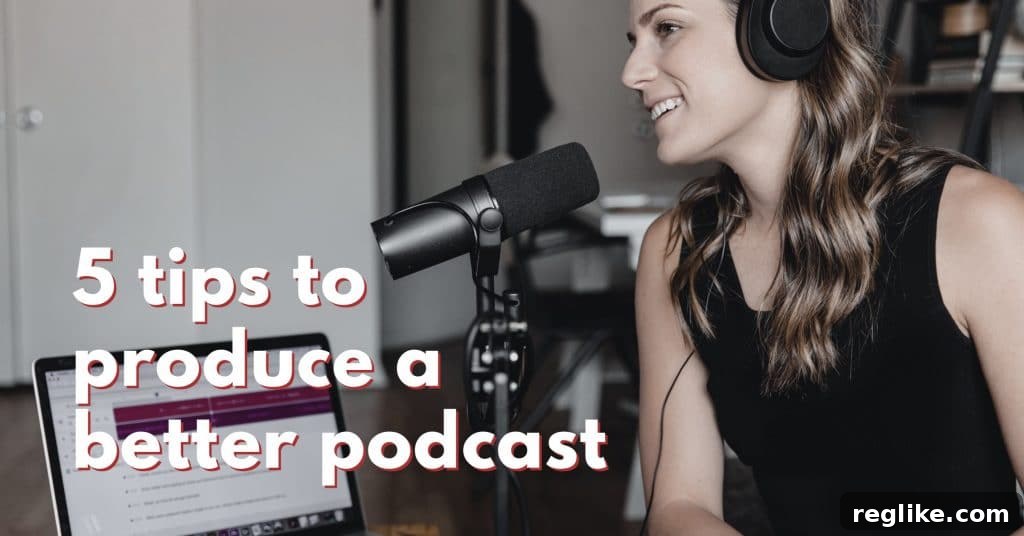
Unlock Your Podcast’s Potential: Five Key Strategies for Superior Production
The world of podcasting is experiencing an unprecedented boom, with hundreds of thousands of new shows launching each year. This surge is particularly noticeable within niche communities, such as the domain name industry, where a multitude of new voices and perspectives are now finding their platform. While this rapid growth means more diverse content for listeners, it also means a more competitive landscape for creators. To truly capture and retain an audience, a podcast needs to deliver not just valuable content but also a high-quality listening experience.
Having navigated the podcasting space for over six years, both as a host and through operating a dedicated podcast guest service, I’ve accumulated a wealth of knowledge on what makes a podcast resonate with its audience. Perfection is an elusive and often unnecessary goal – even established shows like the Domain Name Wire Podcast are testaments to this. However, there are fundamental practices that, when implemented, can dramatically enhance your podcast’s enjoyability, professionalism, and overall success. These aren’t just technical fixes; they are strategic decisions that elevate your show from average to outstanding.
Whether you’re just starting out or looking to refine an existing show, focusing on these core areas will empower you to create a podcast that truly stands out. Let’s delve into five essential strategies designed to improve your podcast production and captivate your listeners.
1. Invest in an External Microphone: The Foundation of Superior Audio Quality
In the realm of podcasting, audio quality reigns supreme. It’s often the first thing listeners notice, and poor audio can be a significant deterrent, regardless of how compelling your content might be. The simple truth is, the built-in microphone on your laptop or smartphone, while convenient, is fundamentally inadequate for professional-sounding audio. These internal mics are designed for general use, picking up ambient noise and lacking the clarity and depth required for a rich, engaging vocal track.
The immediate and most impactful upgrade you can make is to acquire an external microphone. You don’t need to break the bank to achieve a substantial improvement. While high-end studio microphones can cost hundreds or even thousands of dollars, a quality USB microphone priced around $50 to $100 can get you 90% of the way there. Brands like Blue Yeti, Rode NT-USB Mini, or Audio-Technica AT2020USB+ offer excellent performance for their price point, providing a significant leap in sound fidelity.
When selecting an external microphone, consider whether a USB microphone (plug-and-play simplicity) or an XLR microphone (requiring an audio interface for more control and flexibility) best suits your current setup and future aspirations. Dynamic microphones are excellent for noisy environments as they pick up less background sound, while condenser microphones offer a wider frequency response, ideal for capturing nuanced vocals in a treated space. Regardless of your choice, ensure it’s positioned correctly – typically a few inches from your mouth – to maximize clarity and minimize plosives and sibilance. A pop filter is also a highly recommended, inexpensive accessory that dramatically reduces harsh “p” and “b” sounds, making your speech smoother and more professional.
2. Optimize Your Recording Environment: Eliminate Distractions and Enhance Acoustics
Beyond the microphone itself, the space where you record plays a pivotal role in the final audio quality. Even the most expensive microphone will struggle in an acoustically poor environment. The goal is to find or create a space that is both quiet and absorptive, minimizing external noise and internal echoes. We’re not talking about creating a cinematic “quiet place” scenario; rather, a practical, noise-reduced zone.
Begin by identifying areas in your home or office that are naturally quieter. Rooms away from street noise, busy household activity, or loud appliances are ideal. Once you’ve found a suitable location, the next step is to address acoustics. Hard, reflective surfaces like bare walls, windows, and floors will cause sound to bounce around, creating an undesirable echo or reverb that makes your audio sound hollow and unprofessional. Look for ways to absorb sound.
You can certainly invest in professional acoustic panels and bass traps, but there’s a brilliantly simple and free hack that many podcasters swear by: record in a walk-in closet filled with clothes. The soft fabrics of the clothes act as natural sound dampeners, absorbing reflections and creating a surprisingly dead (in a good way) acoustic environment. If a closet isn’t an option, consider hanging thick blankets or duvets on walls, placing rugs on hard floors, and arranging furniture strategically to break up sound waves. Even soft furnishings like pillows and cushions can make a difference. Before each recording, take a moment to assess potential distractions – turn off air conditioners, silence your phone, close windows, and inform household members you’ll be recording. A quiet, acoustically treated space will transform your raw audio from acceptable to exceptional, laying a robust foundation for your production.
3. Master Guest Preparation: Ensuring Engaging and Seamless Interviews
For most podcasts featuring interviews, the quality of your guest segments can make or break an episode. While you want the conversation to sound natural and spontaneous, adequate preparation is absolutely critical. A well-prepared guest not only delivers better insights but also contributes to a smoother, more enjoyable recording session for everyone involved. Without proper guidance, guests might feel lost, repeat themselves, or fail to deliver the specific information you’re looking for, leading to awkward pauses, retakes, and extensive editing.
Before the recording, provide your guest with a comprehensive briefing. This should include:
- A General Outline of Topics: Give them a clear idea of the main discussion points and any specific questions you plan to ask. This allows them to mentally prepare their answers and gather relevant stories or data.
- Specific Data or Examples: If your show involves diving into numbers, case studies, or particular anecdotes, explicitly request that they bring this information. This prevents fumbling for details during the interview.
- Technical Requirements: Crucially, instruct them on how to optimize their own audio. Suggest they use an external microphone if possible, find a quiet space, and use headphones to prevent echo. Provide simple instructions on joining your recording platform (e.g., Zoom, Riverside.fm).
- Podcast Format and Flow: Explain the typical structure of your show, including intros, outros, potential segment transitions, and how long the interview is expected to last.
- What to Expect During Recording: Reassure them about editing (e.g., “we can always edit out any stumbles”), and let them know if there will be pre-interview chat or post-interview debrief.
To further streamline this process, you can save significant time and ensure consistency by directing guests to a dedicated resource. A guide like the one found on being a podcast guest can be invaluable, offering comprehensive advice on everything from mic technique to interview etiquette. By empowering your guests with information, you foster a comfortable environment that encourages authentic, insightful, and highly engaging conversations, ultimately enriching your podcast’s content.
4. Embrace the Edit: Sculpting Your Audio into a Polished Masterpiece
Raw, unedited audio, no matter how well-recorded, rarely makes for a compelling listening experience. It’s akin to reading a first draft without any revision – full of natural stumbles, awkward pauses, and extraneous noises. Editing is where the magic truly happens; it’s the process of transforming raw material into a polished, professional, and enjoyable piece of audio content. Skipping this crucial step is a common mistake among new podcasters and can significantly detract from listener engagement and retention.
The benefits of editing extend far beyond simply removing “uhs,” “ums,” and verbal tics. A skilled editor can:
- Improve Pacing and Flow: Tighten up awkward pauses, remove dead air, and rearrange segments to create a more dynamic and engaging narrative.
- Enhance Sound Quality: Apply noise reduction to minimize background hums, equalize voices for consistency, and normalize audio levels so listeners don’t have to constantly adjust their volume.
- Incorporate Sound Design: Seamlessly integrate intro/outro music, sound effects, and interstitial music to create a cohesive brand identity and break up long stretches of dialogue.
- Remove Distractions: Cut out sneezes, coughs, phone notifications, and any other unplanned interruptions that occur during recording.
- Refine Content: Eliminate irrelevant tangents, redundant information, or moments where guests are struggling to articulate their thoughts, ensuring every minute delivers value.
- Mastering: Apply final audio processing to ensure your podcast meets industry standards for loudness and clarity, providing a consistent listening experience across all platforms.
While you can certainly learn to edit your own podcast using free software like Audacity or paid options like Adobe Audition, it’s a time-consuming skill that requires patience and practice. Many podcasters, myself included, choose to outsource podcast editing to professionals. This frees up valuable time to focus on content creation, guest outreach, and promotion, while ensuring a consistent, high-quality output. Whether you do it yourself or hire an expert, never underestimate the transformative power of a well-edited show.
5. Prioritize Professional Cover Art: Your Podcast’s Visual First Impression
In a saturated market, your podcast’s cover art is often the very first point of contact with potential listeners. When someone scrolls through a podcast directory on platforms like Apple Podcasts, Spotify, or Google Podcasts, your cover art is the single visual element that catches their eye. Just as a poorly designed book cover can deter a reader, amateurish or unappealing podcast art will likely cause prospective listeners to scroll right past your show, assuming it lacks professionalism and quality before even hearing a single second of audio.
Effective podcast cover art is more than just a pretty picture; it’s a vital branding tool. It needs to be:
- Visually Striking: It should stand out in a grid of other podcasts, even at a small thumbnail size.
- Legible: Any text, especially your podcast title, must be clear and easy to read instantly. Avoid overly complex fonts or too much text.
- Representative: The design should give a strong hint about your podcast’s topic, tone, and brand identity.
- High Resolution: Meet the technical specifications of podcast platforms (typically a square image, 1400×1400 to 3000×3000 pixels).
- Unique and Memorable: Avoid generic stock photos or clip art that blend in with countless other shows.
This is not an area where you should cut corners or rely on quick, cheap solutions from platforms like Fiverr, unless you have a very clear vision and can provide precise instructions. While it might seem like a small detail, investing in professional design is paramount. A skilled graphic designer understands branding, visual hierarchy, and the specific requirements for podcast artwork. Designers like Jenny Hamson, for instance, specialize in creating compelling visuals that capture attention and communicate effectively.
Think of your cover art as your podcast’s billboard. It’s a silent ambassador that communicates your show’s quality and character. A well-designed, professional piece of cover art signals to potential listeners that you take your podcast seriously, and that attention to detail extends to your content, making them far more likely to click “play” and give your show a chance.
Ready to Launch Your Podcast?
The journey of podcasting is incredibly rewarding, offering a powerful platform for sharing your voice, expertise, and stories. By focusing on these five core areas – securing quality audio with an external microphone, optimizing your recording environment, meticulously preparing your guests, embracing the power of editing, and investing in professional cover art – you’re not just starting a podcast; you’re building a reputable, engaging, and successful media channel. If you’ve been contemplating taking the plunge, there’s no better time than now. Join the hundreds of thousands of creators who have launched their shows this year, and equip yourself with these essential tips to ensure your voice is heard loud and clear.