
Ferrero Streamlines Digital Identity: A Strategic Retreat from .kinder and .rocher TLDs

Ferrero’s Evolving Digital Strategy: A Focus on Core Brand Identity
In an increasingly interconnected digital world, a company’s online presence is not just a necessity but a crucial component of its brand strategy and consumer engagement. For global confectionery giant Ferrero, renowned as the world’s second-largest chocolate producer, navigating this complex landscape involves astute decisions concerning digital asset management and brand protection. A recent announcement from Ferrero Trading reveals a significant strategic adjustment: the company has opted to terminate two of its three top-level domain names (TLDs), .kinder and .rocher, while steadfastly retaining its overarching .ferrero TLD. This move underscores a thoughtful re-evaluation of its digital footprint and long-term strategic objectives in the dynamic online ecosystem.
The Dawn of Dot-Brand TLDs: A Vision for Digital Exclusivity and Control
The introduction of new generic Top-Level Domains (gTLDs) by the Internet Corporation for Assigned Names and Numbers (ICANN) marked a transformative era for internet branding. Beyond the familiar .com or .org extensions, corporations were granted the unprecedented opportunity to apply for “dot-brand” TLDs – essentially creating a proprietary digital space directly tied to their brand name. For multinational entities like Ferrero, this proposition was highly attractive, offering the promise of enhanced brand control, unparalleled digital identity, and a perceived increase in security and trustworthiness for consumers interacting with their branded online properties.
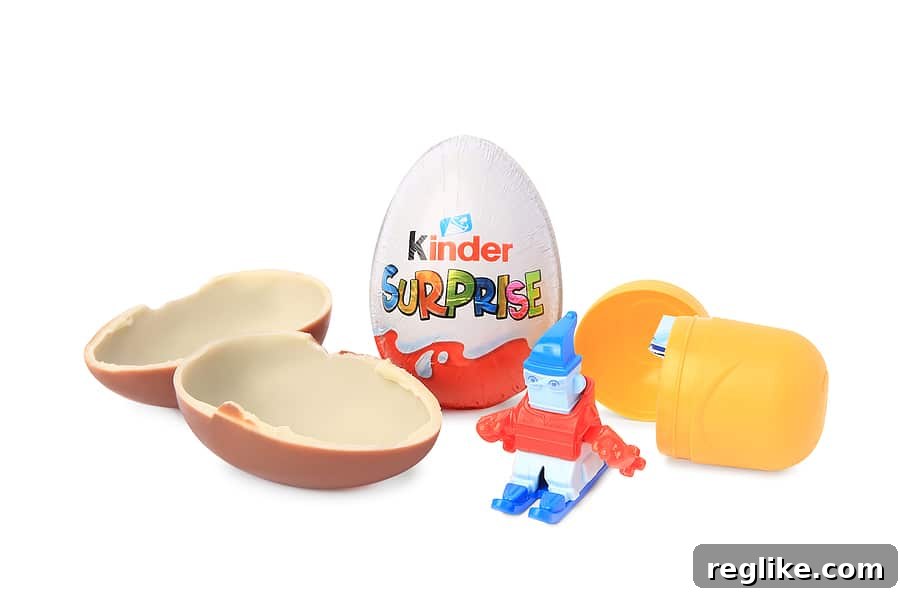
Driven by this forward-thinking vision, Ferrero Trading secured three distinct dot-brand TLDs: .kinder, .rocher, and .ferrero. Each was intended to serve as a direct, exclusive identifier for its iconic confectionery brands and the corporate entity itself. The .kinder TLD was envisioned as a dedicated digital home for the brand famous for its chocolate eggs with a toy inside – a global phenomenon, albeit with toys packaged separately in the U.S. due to choking safety concerns. Similarly, .rocher was earmarked to represent the epitome of luxury and sophistication embodied by its renowned chocolate and hazelnut confections. The corporate .ferrero TLD was designed to anchor the parent company’s entire digital presence, providing a unified and authoritative identity across all its diverse operations.
Strategic Re-evaluation: The Decision to Discontinue .kinder and .rocher
After a period of operating these specialized domain extensions, Ferrero Trading has officially informed ICANN of its intent to discontinue both the .kinder and .rocher TLDs. This pivotal decision signals a comprehensive reassessment of the practical utility, strategic value, and ongoing operational costs associated with maintaining these niche digital assets. While the initial allure of owning a distinct dot-brand TLD was compelling for many corporations, the realities of implementation, promotion, and continuous management often prompt a re-evaluation of their long-term viability and return on investment.
The Global Reach of Kinder: Weighing Digital Investment
Kinder is a beloved global brand, synonymous with innovation and delight in the confectionery sector. Its expansive product range extends well beyond the iconic Kinder Surprise, encompassing popular items such as Kinder Bueno, Kinder Chocolate, and Kinder Joy, each commanding significant market share. Given Kinder’s extensive reach and diverse portfolio, a dedicated .kinder TLD might initially seem invaluable for consolidating its digital footprint. However, the intricacies of modern digital marketing often reveal that consumers primarily engage with brands through established, widely recognized websites (e.g., kinder.com, kinderbueno.com) or dominant social media platforms. The direct traffic and unique engagement generated by a bespoke .kinder TLD may not have provided sufficient justification for the substantial ongoing investment required for its effective operation and continuous promotion.
Ferrero Rocher: Luxury Branding and Digital Utility
Ferrero Rocher, in contrast, caters to a different market segment, embodying luxury, premium gifting, and sophisticated indulgence. With its classic Ferrero Rocher, Raffaello, and Rondnoir products, the brand has cultivated an exclusive and high-end image. For such a brand, a dedicated .rocher TLD might appear to be a natural extension, promising an exclusive digital space that mirrors its premium identity. Yet, much like the Kinder brand, the predominant digital touchpoints for Rocher consumers are likely through existing brand websites, e-commerce platforms, and targeted digital campaigns. The operational expenditures, which include annual renewal fees, the maintenance of robust technical infrastructure, implementation of stringent security protocols, and adherence to evolving ICANN policies, can be considerable for a TLD that might be lightly utilized or primarily function as a mere redirect to existing web properties.
The strategic decision to terminate these TLDs likely stems from a pragmatic and data-driven assessment. Companies managing dot-brand TLDs face not only significant annual fees but also stringent operational mandates and the continuous need for expert technical and administrative oversight. If these dedicated domains fail to generate substantial direct traffic, demonstrably enhance search engine optimization (SEO), or provide unique functionalities that cannot be achieved more efficiently through existing digital channels, their continued operation becomes a question of cost-efficiency. It appears Ferrero has concluded that the incremental value provided by the .kinder and .rocher TLDs did not sufficiently outweigh the complexities and ongoing financial commitments required for their upkeep.
Anchoring the Future: The Enduring Strategic Importance of .ferrero
Significantly, Ferrero is not entirely divesting from its dot-brand portfolio. The company has made a deliberate choice to retain its .ferrero top-level domain. This decision powerfully underscores the critical strategic importance of the corporate brand identity. While the initial usage of .ferrero has been, as noted, “lightly used”—primarily manifesting as the “obligatory .nic.ferrero page and forward.ferrero”—its retention signals a long-term strategic vision for the parent company’s foundational digital presence.
The .ferrero TLD is poised to serve as a pivotal digital asset for the entire Ferrero Group. It can be envisioned as a central, authoritative hub for crucial corporate communications, investor relations, global sustainability initiatives, worldwide career opportunities, and potentially even future innovative projects that transcend individual product brands. Maintaining this core TLD enables Ferrero to robustly secure its primary corporate identifier within the vast digital landscape, offering a unified, authoritative, and distinctly controlled platform separate from its numerous individual product brands. This retention represents a strategic, long-term investment in its overarching corporate identity, ensuring that the venerable Ferrero name remains securely entrenched and controlled within the internet’s global naming system.
The Broader Landscape of Dot-Brand TLDs: A Narrative of Mixed Success
Ferrero’s strategic move to streamline its TLD portfolio is far from an isolated incident within the corporate world. Since the initial launch and widespread adoption cycle of new gTLD applications, numerous companies have grappled with thoroughly assessing the true efficacy and tangible return on investment from their dot-brand domains. While some forward-thinking corporations have successfully leveraged their branded TLDs for highly innovative marketing campaigns, for establishing secure internal networks, or for crafting distinctive customer experiences, a significant number have ultimately found the associated costs and administrative complexities to outweigh the perceived benefits. The initial surge of enthusiasm for dot-brand TLDs, driven largely by imperatives of brand protection and digital innovation, has gradually matured into a more nuanced and pragmatic understanding of their practical applications and inherent challenges.
Many early corporate adopters discovered that the challenge of diverting significant web traffic from well-established and universally recognized .com domains to newer, often unfamiliar dot-brand extensions proved to be substantial. Consumer habits are deeply ingrained, favoring traditional TLDs, and the considerable effort required to educate, redirect, and encourage adoption among the vast consumer base often proved prohibitively expensive without delivering a proportional increase in engagement, brand loyalty, or measurable conversion rates. Consequently, several companies have proactively chosen to terminate their dot-brand TLDs, a trend that broadly indicates a wider industry re-evaluation of the enduring role and fundamental necessity of these bespoke digital identifiers in a rapidly evolving online environment.
Implications for Ferrero and the Digital Marketing World
For Ferrero, this strategic adjustment signifies a more focused and efficient approach to its extensive digital assets. By strategically consolidating its TLD strategy around the paramount .ferrero corporate brand, the company can undoubtedly allocate its valuable resources more effectively towards primary marketing channels, established digital platforms, and innovative consumer engagement strategies that demonstrably yield higher returns. This measured move reflects a practical and sophisticated understanding of how contemporary consumers interact with brands online, intelligently prioritizing digital impact and extensive reach over the mere acquisition of niche digital real estate.
For the broader digital marketing and domain management industry, Ferrero’s well-considered decision serves as a highly pertinent and insightful case study. It powerfully reinforces the critical importance of conducting rigorous cost-benefit analyses for all significant digital investments, especially those that entail substantial and ongoing operational requirements. While dot-brand TLDs initially represented an exciting frontier for advanced brand innovation and digital distinction, their ultimate success is inextricably linked to clearly defined strategic objectives, measurable returns, and, crucially, widespread consumer adoption. Ferrero’s recent decision underscores a strategic pivot towards enhanced efficiency and a concentrated focus of digital resources where they can generate the most profound impact, thereby ensuring their iconic and beloved brands continue to thrive and expand within an ever-evolving and highly competitive online landscape.