
Frank Schilling’s Name Administration Pioneers New Domain Parking Strategies
In the dynamic world of domain investing and digital asset management, innovation is paramount to maximizing return on investment. Frank Schilling, a highly influential figure and recognized pioneer in the domain industry, known for his vast portfolio managed under Name Administration, is once again at the forefront of strategic evolution. Recent astute observations by industry experts, including Mike Cohen of WannaDevelop.com, shed light on Name Administration’s active experimentation with groundbreaking new templates for its extensive collection of parked domains. This strategic shift suggests a proactive approach to refining monetization models and significantly enhancing user experience, moving beyond the traditional pay-per-click (PPC) mechanisms that have long defined the space.
For decades, domain parking has served as a foundational strategy for domain investors worldwide. This process involves pointing undeveloped domain names to pages populated with advertisements, generating revenue through user clicks on those ads. While effective for producing passive income, traditional parking pages often grappled with challenges such as low engagement rates and the pervasive phenomenon of ‘ad blindness.’ Schilling’s latest endeavors indicate a keen awareness of these evolving challenges and a steadfast commitment to optimizing the monetization potential of his expansive and valuable domain portfolio, which encompasses thousands of premium digital assets.
The Evolution from Traditional Domain Parking Pages
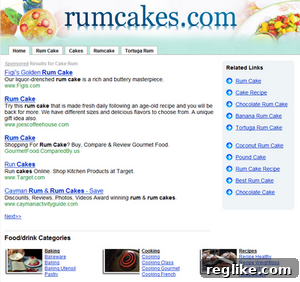
To fully grasp the profound significance of these newly introduced templates, it is crucial to first understand the typical architecture of a conventional parked domain, particularly those meticulously managed by Name Administration. Historically, these pages were meticulously engineered for clear, direct monetization primarily through advertising. A prevalent layout would incorporate several key elements:
- A visually pertinent graphical header that effectively hints at the domain’s primary subject matter.
- Five distinct keyword tabs strategically positioned along the top, intuitively guiding users to specific categories or areas of interest.
- A prominent central section exclusively dedicated to either direct ad links or a carefully curated list of related keywords, serving as the core revenue generator.
- An additional column featuring more related keywords on the right-hand side, designed to capture diverse search intentions and expand ad inventory.
- A footer section frequently embellished with images, each accompanied by further keyword links, thereby broadening the scope for user interaction and increasing opportunities for ad clicks.
This well-established design, vividly exemplified by the image below, was meticulously optimized for PPC revenue, with an unwavering focus on presenting as many clickable advertising opportunities as possible while diligently maintaining a strong sense of relevance to the given domain name.
While this traditional template undeniably proved successful for a considerable period, the digital landscape is in a constant state of flux. Modern internet users have become increasingly sophisticated, and contemporary search engine algorithms are progressively prioritizing valuable, content-rich experiences. This dynamic context perfectly sets the stage for Schilling’s innovative and forward-thinking experiments in domain monetization.
Exploring Name Administration’s Innovative Parking Template Designs
The new generation of templates currently being rigorously tested by Name Administration demonstrates a distinct and purposeful departure from the conventional, ad-heavy approach. These novel designs represent a strategic pivot towards pages that are inherently more engaging, intuitively user-friendly, and potentially more sustainable for long-term monetization. Two primary new approaches have been meticulously identified and observed:
1. The Search Engine Results Page (SERP) Mimicry
One of the most intriguing and strategically clever new templates boldly adopts the familiar visual language and structural layout of a search engine results page (SERP). This design ingeniously leverages user familiarity with standard search interfaces, aiming to significantly reduce cognitive load and naturally encourage interaction. Upon landing on such a page, an unsuspecting user might initially perceive it as a legitimate list of highly relevant search results pertaining to their domain query.
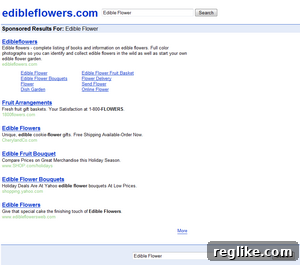
The inherent brilliance of this template resides in its clever subtlety. While it expertly mimics a SERP, its fundamental underlying purpose remains robust monetization. Typically, the very first result displayed on these pages functions as a prime funnel, frequently leading to a more traditional parked page or a carefully curated list of advertisements. The subsequent “results” are cleverly disguised as direct advertisements, seamlessly integrated into the search-like interface. This innovative approach aims to achieve several critical objectives:
- Enhance User Trust: Users are inherently accustomed to discovering relevant and valuable information on search results pages, which can potentially increase their willingness to click on perceived “results,” fostering a sense of trust.
- Improve Click-Through Rates (CTR): By presenting advertisements in a less overt and more integrated manner, this sophisticated design has the potential to bypass common ‘ad blindness’ and consequently encourage significantly higher user engagement.
- Optimize for Search Intent: The structured format allows for a more organized and intuitive presentation of related topics, effectively catering to a diverse range of user intents that might have initially led them to the parked domain.
This template unequivocally represents an astute comprehension of contemporary user behavior and a sophisticated attempt to seamlessly blend advertising with a more natural, search-like interaction model, ultimately improving monetization efficiency.
2. Integration of Non-Ad Content for Enhanced Value
Perhaps an even more radical and forward-thinking departure from the norm is Schilling’s active experimentation with directly incorporating non-ad content onto some of his parked pages. This groundbreaking move signifies a much broader strategic vision that deliberately extends beyond immediate PPC revenue, aiming instead to potentially build more sustainable, long-term value for these valuable domains.

The strategic inclusion of non-ad content, which could manifest as brief, informative articles, carefully curated resources, helpful external links, or even small, functional tools, offers several distinct and compelling advantages:
- Increased User Value: By providing genuine utility or valuable information, the page becomes inherently more valuable to the visitor, leading to reduced bounce rates and encouraging significantly longer average session durations.
- Enhanced SEO Potential: It is widely recognized that content-rich pages are generally favored by prominent search engines. Even for parked domains, a degree of relevant, quality content can substantially improve organic visibility over time, thereby attracting more qualified and engaged traffic.
- Building Authority and Trust: Pages that offer more than just direct advertisements can effectively establish a greater sense of authority and credibility for the domain, a factor that could prove crucial for its future development or eventual sale.
- Diversified Monetization Avenues: While these pages can still strategically feature ads, content-driven designs open up new and exciting monetization possibilities such as affiliate marketing, sophisticated lead generation, or even the direct offering of products or services in the foreseeable future.
This innovative strategy effectively transforms parked domains into mini-information portals, meticulously laying the groundwork for future full-scale development or significantly increasing their intrinsic value as established web properties within their respective niches.
The Broader Vision: Venturing into Full-Scale Domain Development
These sophisticated parking page innovations are by no means isolated occurrences; rather, they appear to be integral components of a larger, overarching trend within Frank Schilling’s extensive operations. Both Mike Cohen and other astute industry observers have noted Schilling’s markedly increased interest in full-scale development. This ambitious undertaking involves taking highly valuable domains and meticulously building complete, fully functional, and content-rich websites on them, moving significantly beyond the simpler act of merely parking them. Full-scale development offers the compelling potential for substantially higher revenue streams, robust brand building, and the establishment of enduring long-term digital assets. It unequivocally signifies a maturation of strategy, transitioning from passive income generation to active, hands-on business building on premium web addresses.
The thoughtful integration of non-ad content on parked pages can be perceptively viewed as a strategic stepping stone towards full development, effectively testing the waters for content engagement and user interest before committing significant resources to a complete website build. This agile and data-driven approach allows for informed decisions on which domains hold the greatest promise for further, comprehensive development.
Expert Insights and Broad Industry Implications
Mike Cohen’s incisive observations provide crucial context regarding Schilling’s characteristically cautious yet progressively forward-thinking strategy. As Cohen eloquently notes on his site:
[Schilling] is still sticking to his guns and knows what performs best and hasn’t yet rolled this out across all of the 1000’s of premium domains he owns such as antarctica.com and propertylistings.com or foreigncurrency.com — But slowly and surely I see more and more of this domains popping up with a fresh and new look to them and better monetization and use of traffic.
This insightful statement underscores several critically important points for the domain industry:
- Data-Driven Approach: Schilling, as a profoundly seasoned and successful domain investor, relies heavily on extensive data analysis to meticulously inform all his strategic decisions. He is unlikely to implement widespread changes without thorough and rigorous testing, followed by concrete validation of measurable performance improvements across key metrics.
- Gradual Rollout Strategy: The phrase “slowly and surely” vividly indicates a strategic, iterative, and controlled implementation process. New templates are most likely deployed on a carefully selected subset of domains, rigorously monitored for key performance indicators (such as CTR, revenue per visitor, and bounce rate), and then incrementally refined before any broader, portfolio-wide implementation. This meticulous approach effectively minimizes potential risks across a domain portfolio of immense and significant value.
- Unwavering Focus on Monetization and Traffic Use: The overarching and ultimate goal remains “better monetization and use of traffic.” These innovative new designs are not merely superficial aesthetic updates but are fundamentally functional enhancements meticulously aimed at increasing revenue generation and providing greater intrinsic value from every incoming visitor.
- Industry Leadership and Influence: As Schilling’s Name Administration bravely explores these new frontiers in domain management and monetization, it invariably sets a significant precedent for the entire domain industry. Other savvy domain investors and leading parking providers frequently look to esteemed leaders like Schilling for invaluable cues on emerging best practices and future market trends.
An Additional Observation: The Appearance of “For Sale” Signs
Beyond Cohen’s detailed and astute analysis, another subtle but noteworthy trend has recently captured the attention of some keen domain industry observers: the conspicuous appearance of “for sale” signs on certain Name Administration domains, an example being sunnyvalecalifornia.net. This phenomenon introduces yet another layer of strategic complexity and provides further insight into Schilling’s multifaceted approach:
- Portfolio Optimization and Refinement: The presence of “for sale” signs could signal a strategic refinement of Schilling’s already vast portfolio, indicating an active process of divesting non-core assets or domains that may no longer align with the long-term strategic vision for development or optimized monetization.
- Market Testing and Valuation: Strategically placing “for sale” signs can also function as a sophisticated form of market testing, effectively gauging buyer interest and potential valuation for various domain categories within his extensive portfolio.
- Strategic Sales for Reinvestment: The judicious sale of select domains could strategically free up substantial capital for critical reinvestment into developing higher-value properties or for the opportune acquisition of new, coveted premium domains.
This sophisticated, combined approach of innovative parking strategies, active full-scale development initiatives, and intelligent strategic portfolio management unequivocally highlights a highly sophisticated, adaptive, and forward-thinking business model operating within the perpetually evolving domain market.
Conclusion
Frank Schilling’s Name Administration continues to emphatically demonstrate its leadership and forward-thinking approach within the highly competitive domain industry. The ongoing experimentation with new parking page templates – ranging from the clever SERP mimicry to the valuable integration of content – signifies a crucial and strategic evolution well beyond traditional PPC models. These innovations are not merely superficial design updates; they represent a deep, strategic commitment to significantly enhancing user experience, meticulously improving monetization efficiency, and diligently building long-term, sustainable value for digital assets. As these pioneering new strategies are gradually and thoughtfully rolled out and further refined, they will undoubtedly exert a profound influence on the broader domain investing landscape, paving the way for more dynamic, engaging, and ultimately more profitable ways to unlock the full potential of parked domains and incrementally transition towards full-scale web development.
For more detailed insights into these compelling developments, readers are encouraged to explore Mike Cohen’s comprehensive observations here.