
Freename AG Secures Patent for Revolutionary Name Resolution Platform: Bridging Web2 and Web3 Amidst Namespace Collisions
In a significant development for the evolving landscape of digital identity and internet infrastructure, the U.S. Patent and Trademark Office (USPTO) has officially granted patent number 12,401,618 to Freename AG. This patent, titled “Internet infrastructure system and method,” marks a pivotal moment, recognizing Freename’s innovative approach to tackling one of the most pressing challenges in both traditional and decentralized internet naming systems: name collisions. This advanced platform is designed to intelligently determine which name to resolve when multiple, potentially conflicting, identities exist for a single query, paving the way for a more unified and user-friendly digital experience.
Freename AG, primarily known for its robust platform supporting blockchain-based names, has strategically expanded its operations into the traditional Domain Name System (DNS) space. This dual focus positions the company at the nexus of Web2 and Web3, enabling it to address critical issues that arise from the convergence and potential conflict of these distinct naming paradigms. The newly granted patent underscores Freename’s commitment to building a more cohesive and navigable internet, where the proliferation of digital identities does not lead to user confusion or security vulnerabilities.
The Growing Challenge of Name Collisions in the Digital Landscape
The concept of digital naming, whether through traditional DNS or emerging blockchain technologies, is fundamental to how users interact with the internet. However, the rapid innovation in the Web3 space, characterized by decentralized naming systems and blockchain-based top-level domains (TLDs), has introduced a complex problem: name collisions. Unlike the centrally governed traditional DNS, where ICANN carefully manages TLD allocations to prevent duplication, anyone can permissionlessly create a blockchain-based TLD. This open innovation, while fostering creativity, frequently results in identical or highly similar names existing across different blockchain networks (e.g., ‘example.crypto’, ‘example.eth’, ‘example.x’).
Furthermore, the challenge is not confined solely to the Web3 ecosystem. ICANN, the global authority for traditional DNS, periodically initiates new rounds of TLD expansion, introducing new generic TLDs (gTLDs) to the internet. There is an increasing likelihood that these future traditional DNS namespaces might inadvertently collide with existing or future blockchain namespaces. Imagine a scenario where “example.web” exists as both a decentralized blockchain domain and a newly approved ICANN gTLD. Such a collision would create significant ambiguity, making it unclear which digital resource a user intends to access when typing that name into a browser.
The implications of name collisions are far-reaching. For users, it can lead to confusion, frustration, and even security risks, as they might inadvertently land on a malicious site or send cryptocurrency to the wrong address. For developers and businesses, it hinders interoperability between Web2 and Web3 applications, fragments digital identities, and creates barriers to mainstream adoption of decentralized technologies. Without a standardized and intelligent mechanism to resolve these conflicts, the vision of a seamless, integrated internet remains elusive. This critical problem is precisely what Freename AG’s patented invention seeks to resolve.
Freename’s Patented Solution: An Intelligent Resolution Layer
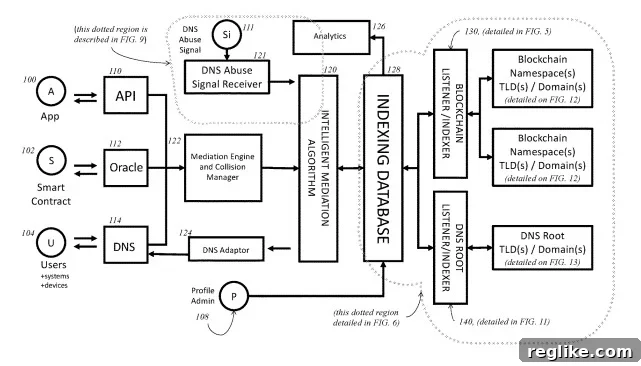
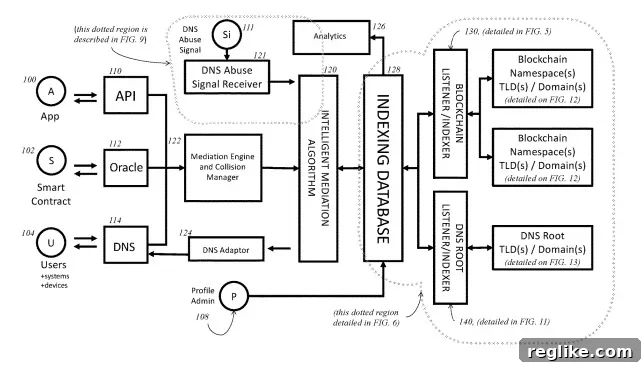
At the heart of Freename’s breakthrough lies its “Internet infrastructure system and method,” protected by patent 12,401,618. This innovative invention introduces an intelligent resolution layer designed to act as a sophisticated arbiter. When a user inputs a name into a browser, wallet, or any other system, this resolution layer intercepts the query and, rather than blindly attempting to resolve it through a single system, it dynamically evaluates potential matches across various naming infrastructures—both traditional DNS and diverse blockchain-based systems.
The resolution layer operates as an intermediary, sitting between the user’s request and the multitude of available naming services. Unlike current, often siloed, resolution mechanisms where users might have to explicitly configure their systems to prioritize a specific blockchain resolver or rely solely on traditional DNS, Freename’s system offers a unified and intelligent approach. It effectively harmonizes the disparate naming systems, providing a singular, definitive resolution based on a predefined set of criteria. This transformative approach ensures that regardless of where a digital identity originates, a consistent and reliable method exists for its access, significantly reducing the friction associated with navigating the hybrid digital landscape.
Deciding the Digital Identity: Comprehensive Factors for Name Resolution
The core intelligence of Freename’s resolution layer lies in its ability to review and score multiple factors, enabling it to make an informed decision on which name to resolve in the event of a collision. This multi-faceted approach goes beyond simple “first-come, first-served” rules, incorporating a holistic view of the name’s legitimacy, utility, and security. By weighing various attributes, the platform ensures that the most appropriate and secure digital identity is presented to the user.
Registration Date and the “First-to-File” Principle
One of the foundational criteria the resolution layer can consider is the registration date of a name. Often, the earliest registration implies a certain seniority or original intent. In both traditional DNS and many blockchain naming systems, a “first-to-file” principle is a common practice, granting priority to the party that registered a name first. While not always the sole determining factor, an earlier registration date can contribute significantly to a name’s legitimacy score, particularly in cases where two identical names emerge from entirely different ecosystems.
Ecosystem Size, User Adoption, and Reputation
Another crucial element is the overall “size” or adoption rate of the underlying naming system. This isn’t merely about the number of registered domains; it encompasses a broader set of metrics such as the total number of active users, the market capitalization of the associated blockchain network, transaction volumes, the breadth of ecosystem support (e.g., integrations with wallets, browsers, dApps), and the general reputation and trust associated with the specific blockchain or naming service. A name residing on a widely adopted, secure, and reputable blockchain is likely to be weighted more heavily than an identical name on a nascent, less utilized, or unproven platform, as it typically represents greater utility and community consensus.
Combating Abuse and Enhancing Security
Crucially, Freename’s platform incorporates the ability to consider domain abuse signals. This feature is paramount for user safety and the overall integrity of the internet. The resolution layer can analyze data points related to a domain’s history, content, and associated activities. For instance, if a specific blockchain domain has been flagged for spam, phishing attempts, malware distribution, or other fraudulent activities, its score would be significantly penalized, or it might even be blacklisted from resolution. This proactive security measure helps to protect users from malicious actors who might attempt to exploit name collisions for nefarious purposes, ensuring that legitimate and safe digital identities are prioritized.
Advanced Algorithmic Scoring and Additional Considerations
The decision-making process is further enhanced by an advanced algorithmic scoring mechanism that can apply weighted factors to each criterion. Beyond the primary factors, the platform can incorporate a range of other considerations:
- User Preferences: Allowing end-users to set their own preferences, enabling them to explicitly favor certain naming systems or TLDs (e.g., always resolve to an .eth domain if available).
- Contextual Data: Analyzing the context of the query, such as the specific wallet or browser being used, to infer user intent or ecosystem relevance.
- Integration Status: Prioritizing names that are more widely integrated across various Web2 and Web3 services.
- Geographic Relevance: In some cases, geographical data might play a role, especially for local or regional services.
- Security Features: Evaluating the inherent security measures of the underlying naming system or the specific domain (e.g., DNSSEC equivalents in Web3).
- Community Governance: Assessing if a decentralized domain is managed by a robust and transparent community governance model.
By integrating these diverse factors into a sophisticated scoring model, Freename’s resolution layer offers an intelligent, adaptable, and robust solution to the complex problem of name collisions, ensuring the most relevant and secure resolution for every query.
Enabling Seamless Interoperability: Who Benefits from Freename’s Platform?
The utility of Freename’s patented resolution platform extends across a wide spectrum of internet stakeholders, promising to significantly enhance user experience, foster interoperability, and strengthen digital security. By providing a clear and reliable method for resolving names, the platform helps to bridge the gap between fragmented naming systems and propel the mainstream adoption of Web3 technologies.
Browsers and User Agents
For web browsers and other user agents, Freename’s system offers a transformative upgrade. Browsers could integrate this resolution layer, either natively or via plugins, allowing users to seamlessly access both traditional websites and decentralized applications (dApps) without needing to understand the underlying naming technology. This means typing “example.x” could reliably take a user to the intended Web3 resource, even if “example.com” also exists. This simplification is crucial for making Web3 as accessible and intuitive as Web2.
Cryptocurrency Wallets and Decentralized Applications (DApps)
Cryptocurrency wallets and dApps stand to gain immensely. Wallets could use Freename’s platform to resolve human-readable blockchain names directly into cryptocurrency addresses, simplifying transactions and reducing the risk of errors. DApps, likewise, could rely on the resolution layer to consistently identify and connect with other decentralized services or user identities, fostering a more interconnected and functional Web3 ecosystem. This integration streamlines user interaction with decentralized finance (DeFi), NFTs, and other blockchain-based services.
Internet Service Providers (ISPs) and Virtual Private Networks (VPNs)
ISPs and VPNs, as foundational infrastructure providers, could leverage Freename’s technology to offer enhanced resolution services to their customers. ISPs could integrate the resolution layer into their network infrastructure, providing their subscribers with a more comprehensive and secure internet experience that seamlessly navigates both Web2 and Web3. VPNs could utilize it to offer secure, private, and decentralized name resolution, further protecting user privacy and ensuring reliable access to digital resources regardless of their origin.
Enterprises and Developers
Enterprises looking to integrate blockchain technologies into their operations will find Freename’s platform invaluable for standardizing access to their Web3 assets and services. Developers building decentralized applications can rely on a consistent resolution mechanism, reducing the complexity of managing multiple naming standards. This creates a more stable and predictable environment for innovation, accelerating the development and deployment of next-generation internet services.
Freename’s Strategic Position and Future Outlook
The journey from filing the patent application in February 2024 to its grant in August of the same year highlights the USPTO’s recognition of the urgency and significance of Freename’s innovation. Such a relatively swift grant period underscores the novel and non-obvious nature of their solution in addressing a critical and growing problem in internet infrastructure. This patent solidifies Freename’s position as a pioneer and leader in the domain name industry, particularly at the intersection of traditional and decentralized internet paradigms.
Freename’s strategic expansion into traditional DNS, alongside its core focus on blockchain names, demonstrates a forward-thinking approach to creating synergy rather than conflict between these two vital internet components. By offering a platform that understands and can arbitrate between both, Freename is actively shaping a future where the internet is more cohesive, secure, and user-friendly. The intellectual property secured by this patent provides Freename with a significant competitive advantage, enabling it to license its technology, partner with major internet players, and further develop its ecosystem without fear of direct imitation.
The implications of this patent extend far beyond Freename itself. It represents a crucial step towards standardizing the chaotic landscape of digital identity in the Web3 era. By providing a robust, intelligent, and adaptable mechanism for resolving name collisions, Freename’s invention will play a pivotal role in fostering greater interoperability between Web2 and Web3, boosting user confidence, and accelerating the mainstream adoption of decentralized technologies. As the digital world continues to evolve, innovations like Freename’s resolution platform will be essential in ensuring a unified, secure, and accessible internet for all.