
Cybersquatting Claims Fail: French Company Accused of Reverse Domain Name Hijacking Against Modz.com
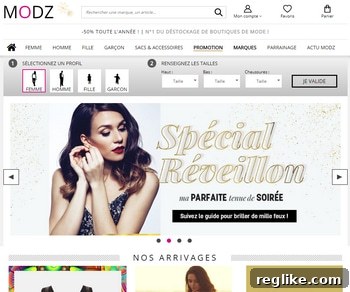
In a significant ruling that underscores the importance of transparency and legitimate domain use, a French clothing company operating under the domain name Modz.fr has been found guilty of engaging in “reverse domain name hijacking” (RDNH) following its unsuccessful cybersquatting complaint against the owner of Modz.com. This decision, handed down by a three-person World Intellectual Property Organization (WIPO) panel, serves as a stark reminder that the Uniform Domain Name Dispute Resolution Policy (UDRP) is not a tool for trademark holders to acquire desirable domain names through unfair means.
The case revolved around the highly coveted domain Modz.com, which was registered in 2008 by its current owner. Crucially, the domain owner acquired Modz.com with a distinct purpose: to leverage its strong connection to video gaming culture, where “modz” (short for modifications) is a widely recognized term. For a year or two after its acquisition, the domain hosted an active website catering to this gaming niche. Even after this initial period, the domain remained relevant, parking with advertisements specifically tailored to gaming audiences. This consistent, good-faith engagement with the domain’s gaming connotation formed the bedrock of the defense against the cybersquatting allegations.
These actions by the Modz.com owner are pivotal because they demonstrably established “rights or legitimate interests” in the domain name. Under UDRP rules, a complainant must prove three elements: (1) that the domain name is identical or confusingly similar to a trademark or service mark in which the complainant has rights; (2) that the domain name registrant has no rights or legitimate interests in respect of the domain name; and (3) that the domain name has been registered and is being used in bad faith. By clearly demonstrating a long-standing, legitimate use predating any trademark claims from the French company, the Modz.com owner successfully countered the second and third elements of the UDRP complaint.
The WIPO panel, comprising three experienced domain name dispute experts, not only rejected Modz.fr’s claims but took the extraordinary step of finding the complainant guilty of filing its case in bad faith – a severe sanction known as reverse domain name hijacking. The panel’s decision hinged on a critical omission in Modz.fr’s submission. While the French company disclosed a 2016 attempt to purchase Modz.com, it conspicuously failed to reveal an earlier, significant offer of $4,000 made in 2009. This earlier interaction was profoundly important because, at that time, Modz.fr had not even mentioned a trademark claim, and the Modz.com owner had already clearly explained his legitimate reasons for acquiring the domain, rooted in its gaming relevance.
The undisclosed 2009 offer and the context surrounding it were damning. It indicated that Modz.fr was aware of the Modz.com domain and its non-trademark-infringing use nearly a decade before filing the UDRP complaint. Furthermore, their initial attempt to acquire the domain through commercial negotiation, without invoking trademark rights, directly contradicted the later UDRP assertion that the domain was registered and used in bad faith specifically targeting their brand. This deliberate withholding of crucial information misled the panel and constituted an abuse of the administrative process.
The panel aptly characterized this scenario as a “Plan B” reverse domain name hijacking. This specific form of RDNH occurs when a company, having failed to acquire a desired domain name through commercial negotiations – often because the domain owner has legitimate interests or asks a price higher than the company is willing to pay – then resorts to filing a UDRP complaint. The UDRP process, designed to combat clear instances of cybersquatting, is thus misused as a fallback strategy to gain control of a domain without fair compensation or legitimate grounds. Such actions undermine the integrity and purpose of the UDRP system, which aims to provide an efficient and equitable resolution for clear-cut cases of abusive registrations, not to facilitate opportunistic domain acquisitions.
The implications of this finding are substantial. For legitimate domain owners, the Modz.com case provides a robust defense mechanism. It reinforces the principle that holding a domain name for a legitimate purpose, even if it later becomes desirable to a trademark holder, does not automatically equate to cybersquatting. Owners who can demonstrate prior use, a clear intent at registration, and an absence of targeting a specific trademark holder’s brand are well-positioned to defend their assets. The case also highlights the importance of keeping meticulous records of domain acquisition and use, as these details become invaluable evidence in potential disputes.
Conversely, for companies contemplating UDRP complaints, the Modz.fr decision serves as a stern warning. It emphasizes the absolute necessity of full and transparent disclosure of all relevant facts, including prior communication and commercial overtures concerning the disputed domain name. Any attempt to present an incomplete or misleading narrative to the WIPO panel can backfire severely, leading not only to the dismissal of the complaint but also to the stigmatizing finding of reverse domain name hijacking. Such a finding can damage a company’s reputation and may have future implications in similar disputes.
Legal representation played a crucial role in this dispute. The domain owner of Modz.com was expertly represented by John Berryhill, a renowned specialist in domain name law, whose strategic defense highlighted the owner’s legitimate interests and exposed the complainant’s procedural misconduct. On the other side, Marion le Marchard Avocat represented the French clothing company, which ultimately faced the adverse finding. This case further illustrates that while UDRP is an administrative process, the nuances of legal argumentation and the comprehensive presentation of facts are paramount to achieving a favorable outcome.
In conclusion, the Modz.com UDRP case is a landmark decision in the realm of domain name disputes. It not only vindicates the rights of a legitimate domain owner against a baseless cybersquatting claim but also sends a powerful message to potential UDRP complainants. The finding of reverse domain name hijacking against Modz.fr underscores WIPO’s commitment to preventing the abuse of the UDRP process, ensuring that it remains a fair and equitable mechanism for addressing genuine instances of cybersquatting, rather than a predatory tool for acquiring domain names through deception.