
The Tale of Yuming: A Name Transformed Across Cultures and Digital Realms
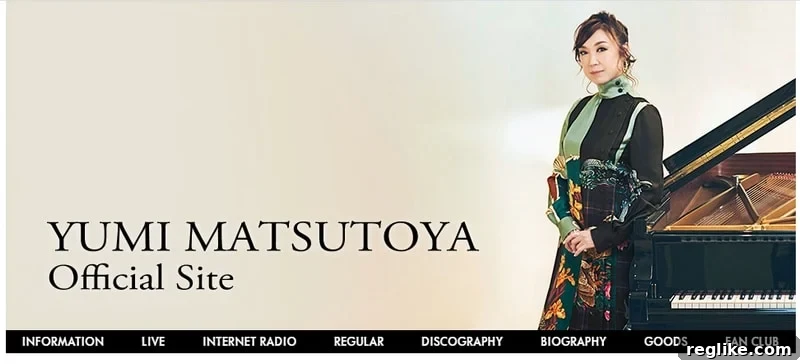
The journey of a name, especially in the digital age, can often transcend its original meaning and national borders, taking on new significance and value. Such is the compelling story of “Yuming,” a term that evokes warm nostalgia for fans of Japanese pop culture while simultaneously representing immense commercial potential within the thriving Chinese internet industry. This intricate narrative beautifully illustrates the power of language, culture, and strategic domain investment.
Yumi Matsutoya: The Empress of Japanese Pop
My own connection to “Yuming” dates back to my time working in the bustling metropolis of Tokyo. Amidst the demanding pace of life in Japan’s capital, Yumi Matsutoya’s music served as an ethereal escape, transporting me to a realm of serene contemplation and boundless imagination. It was an experience shared by millions across Japan, solidifying her status as a cultural icon.
Yuming (ユーミン), as she is affectionately known, is far more than just a singer-songwriter; she is a legendary figure whose career spans over five decades. Born Yumi Arai in 1954, she adopted the stage name Yumi Matsutoya after her marriage to producer Masataka Matsutoya. Her music, characterized by introspective lyrics, innovative arrangements, and a distinctive voice, has captivated generations. From romantic ballads to upbeat pop anthems, her discography is a rich tapestry that mirrors the evolving landscape of Japanese society and pop music. She is particularly celebrated for her ability to craft vivid lyrical imagery, often evoking feelings of nostalgia, melancholy, and hope.
Her profound influence extends beyond the music charts. Fans of Studio Ghibli, for instance, might recognize her evocative track “Hikouki Gumo” (Vapor Trail), which served as the poignant theme song for Hayao Miyazaki’s critically acclaimed 2013 film, “The Wind Rises.” This collaboration introduced her timeless artistry to a global audience, further cementing her legacy. Listening to Yuming’s music often feels like soaring through an infinite cosmos, leaving behind earthly worries and embracing a sense of weightlessness and wonder. It’s a testament to her unique ability to blend profound emotion with artistic innovation.
The Digital Footprint: Yuming.co.jp and the Fan Site
In 2001, Yumi Matsutoya officially embraced the nascent digital era by launching her authoritative online presence at Yuming.co.jp. This website has since served as the official hub for her extensive fan base, providing updates on her concerts, album releases, and other career milestones. Its longevity is a testament to the enduring power of her brand and the dedicated efforts to maintain her digital legacy. For millions of fans worldwide, Yuming.co.jp remains the definitive source of information, a virtual shrine to her unparalleled contributions to music.
Interestingly, the broader digital landscape saw another manifestation of Yuming’s popularity. Around 2008, a group of her ardent supporters took the initiative to acquire Yuming.com, intending to develop it into a dedicated fan site. This venture, while born out of genuine admiration, reflected the early, somewhat amateurish days of fan-driven web development. The site showcased concert schedules, fan discussions, and various pieces of information curated by enthusiasts. However, without official backing or perhaps due to the inherent challenges of maintaining a non-commercial fan portal, the Yuming.com fan site eventually became inactive around 2011, fading into the annals of internet history. This dormant period would set the stage for its dramatic reawakening in an entirely different context.
The Pivotal Acquisition: Yuming.com Finds a New Home and Meaning
The story of Yuming.com took a fascinating turn recently, as brought to light by prominent domain investor Yue Dai. A week ago, Dai shared an intriguing post on LinkedIn, accompanied by a picture that immediately resonated with me – the unmistakable image of Yuming. While I recognized the artist, I was unaware of the remarkable story behind his acquisition of the domain name. According to Dai, the journey to secure Yuming.com was a testament to extraordinary persistence and strategic foresight within the domain investing community.
The arduous quest for Yuming.com began much earlier, spearheaded by investor Yinan Wang. For years, Wang diligently attempted to establish contact with the original domain owner, demonstrating the unwavering resolve often required to acquire a premium, category-defining name. This persistence finally paid off in 2017 when Wang successfully secured the domain. Subsequently, recognizing its immense strategic value, he transferred ownership to Yue Dai, a recognized mover and shaker in the Chinese domain industry. This transfer marked a pivotal moment, shifting Yuming.com from a dormant fan site to a prized asset with vast potential. The full details of this captivating acquisition, highlighting the meticulous efforts and strategic thinking involved, can be found in Yue Dai’s comprehensive LinkedIn post, which serves as an invaluable resource for aspiring domain investors.
“Yuming” in China: A Category-Defining Asset
Once Yuming.com found its new home in China, its inherent meaning and perceived value underwent a profound transformation. In Chinese, “Yuming” (域名) is the direct Pinyin transliteration for “domain name.” This seemingly simple linguistic coincidence elevates Yuming.com from a mere celebrity nickname to a powerful, category-defining term within the world of internet real estate in China. It’s not just a domain; it’s *the* domain for anything related to domains.
This dual meaning creates an extraordinary opportunity. The Chinese owner of Yuming.com holds a unique position, possessing a name that is intrinsically linked to the very concept of “domain” in the country’s vast and rapidly expanding digital ecosystem. This isn’t merely a brandable domain; it’s a generic, descriptive, and highly authoritative name that instantly conveys its purpose to a Chinese-speaking audience. Imagine owning “DomainName.com” in English – the potential is virtually limitless. The owner can initiate any business venture related to domain registration, domain investing, web hosting services, intellectual property protection for domain names, or even a comprehensive domain industry news portal. The semantic clarity and directness of “Yuming” in the Chinese context grant this domain an enormous, almost unparalleled, power and strategic advantage in the market.
The cultural and linguistic divergence here is key. What began as a loving moniker for a Japanese pop star evolves into a cornerstone term for an entire industry in another nation. This shift dramatically redefines its intrinsic value, making it a premium asset in a different cultural and commercial landscape. It underscores how language and cultural context can fundamentally alter the perceived worth of digital assets, especially top-level domain names.
Global .COM: Transcending Borders and Unlocking Value
The fascinating saga of Yuming.com serves as a powerful illustration of how a name on the global .com extension can effortlessly transcend national borders, cultural origins, and linguistic barriers. It eloquently demonstrates that a single domain name can harbor dramatically different meanings and, consequently, vastly different values depending on the specific cultural and linguistic lens through which it is viewed. The initial context of Yumi Matsutoya’s nickname in Japan holds little commercial relevance in the Chinese domain market, where the phonetic similarity to “domain name” unlocks a treasure trove of possibilities.
This profound difference in perception and value is often not immediately apparent without meticulous research and a deep understanding of international markets and linguistics. The true potential of such a domain remains hidden until a thorough investigation unearths these subtle yet impactful nuances. This is precisely why comprehensive research is not merely an optional step but an absolutely critical foundation for success in the dynamic and competitive field of domain investing. Without a detailed exploration into the linguistic, cultural, and market-specific connotations of a domain name, investors risk overlooking immense value or, conversely, overestimating the worth of an asset based on a singular interpretation.
Key Takeaways for Astute Domain Investors
The Yuming.com story offers invaluable lessons for anyone involved in domain investing, or indeed, anyone keen on understanding the complex interplay of language, culture, and digital assets:
- Linguistic Nuance is King: Always investigate the phonetic and semantic meanings of a domain name in multiple languages, especially those spoken in major economic regions. A seemingly ordinary name in one language might be a category killer in another.
- Cultural Context Matters: Understand how different cultures perceive names, brands, and digital identities. What resonates positively in one culture might be neutral or even problematic in another.
- The Power of .COM: The .com extension remains the most universally recognized and valuable top-level domain. Its global reach allows names to transcend local markets and find new homes and higher values elsewhere.
- Persistence Pays Off: Acquiring premium domains often requires years of persistent effort, establishing communication with current owners, and being ready to act when opportunities arise.
- Research is Non-Negotiable: Before making any significant investment, conduct thorough due diligence. This includes market analysis, linguistic analysis, trademark checks, and understanding the potential use cases across different geographies.
- Identify Category-Defining Assets: Domains that directly translate to or strongly imply a core industry term (like “Yuming” for “domain name”) possess unparalleled intrinsic value and command premium prices.
As an admirer of Yumi Matsutoya, I confess a touch of bittersweetness that Yuming.com is no longer associated with my favorite musician’s vibrant fan community. However, this feeling is swiftly overshadowed by a profound appreciation for the domain’s newfound purpose and immense potential. It is genuinely exciting to see such a powerful asset now in the hands of a visionary and strategic player within the thriving Chinese domain industry. The transformation of Yuming.com from a Japanese artist’s nickname to a cornerstone of the Chinese domain market is a compelling testament to the ever-evolving nature of digital value and the fascinating intersections of global culture and commerce.