
Edible Arrangements Launches Legal Battle for Edibles.com, Citing Trademark Infringement and Brand Confusion
Edible Arrangements Sues for Edibles.com: A High-Stakes Domain Name Battle Over a Plural Mark
In an increasingly digital world, a company’s domain name is often as crucial as its registered trademarks. It serves as the primary gateway for customers, a beacon for branding, and a significant asset in the competitive online landscape. This truth is at the heart of a recent legal dispute involving Edible Arrangements, the well-known franchisor celebrated for its fresh fruit bouquets and chocolate-dipped delights. The company has initiated a lawsuit in federal court, aiming to secure ownership of the valuable domain name, Edibles.com, alleging that its current use infringes upon its established “Edible” mark.
The Evolution of a Brand: From Edible Arrangements to Edible
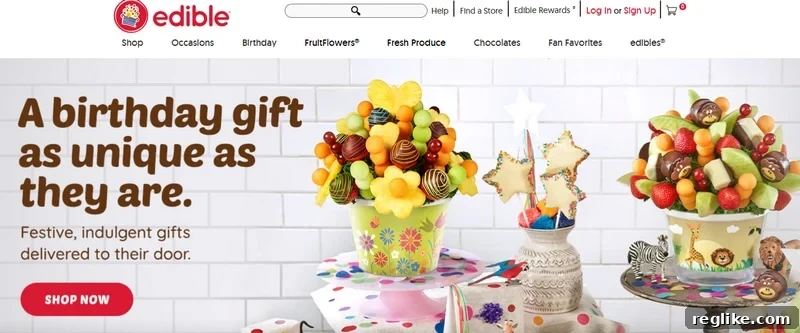
Edible Arrangements has built a strong brand identity over the years, synonymous with innovative and delicious fruit arrangements. In a strategic move reflecting modern branding trends towards conciseness and digital omnipresence, the company has, within the last three years, shifted its primary branding focus on its website from “Edible Arrangements” to the more succinct “Edible.” This pivot underscores a broader vision to encompass a wider range of products and experiences beyond just arrangements, positioning “Edible” as a lifestyle brand. Demonstrating this commitment to its evolving identity, the company already owns Edible.com, which currently forwards visitors to its main EdibleArrangements.com website. This transition highlights the immense value Edible Arrangements places on short, memorable, and brand-aligned domain names.
The company’s investment in simplifying its brand identity to “Edible” extends beyond mere aesthetics; it reflects a calculated effort to strengthen its trademark and enhance consumer recognition in a crowded marketplace. An “incontestable” trademark, as Edible Arrangements claims for its “EDIBLE” mark, offers the strongest form of protection under U.S. law, making it exceedingly difficult for others to challenge its validity. This status plays a pivotal role in the current lawsuit, as it forms the bedrock of their claim against the use of Edibles.com.
The Core of the Dispute: “Edible” Versus “Edibles.com”
At the center of this legal contention is the distinction—or lack thereof, according to Edible Arrangements—between its incontestable “EDIBLE” mark and the plural form, “Edibles.” The lawsuit argues vehemently that the plural “EDIBLES” has no material distinction from its singular counterpart. Consequently, Edible Arrangements asserts that the two are legal equivalents, creating a significant likelihood of confusion among consumers.
Trademark law is designed to prevent consumers from being misled about the source or affiliation of goods and services. When two marks are sufficiently similar, especially in the same or related industries, a likelihood of confusion can be established. Edible Arrangements’ argument hinges on the premise that the addition of an ‘s’ to their prominent mark is insufficient to differentiate the domain name Edibles.com, leading reasonable consumers to mistakenly believe it is associated with, sponsored by, or endorsed by Edible Arrangements.
This type of dispute is not uncommon in the digital age, where businesses strive to protect their brand equity across all platforms, particularly domain names which are often the first point of contact for potential customers. For Edible Arrangements, owning a domain name so closely related to its primary mark is a strategic imperative for brand cohesion and market dominance.
The Defendant and the Disputed Domain: World Media Group, LLC
The domain name Edibles.com is currently owned and operated by World Media Group, LLC. This entity is recognized within the domain industry as a holder of numerous valuable domain names, often acquired for their generic appeal or potential future development. For the time being, World Media Group utilizes Edibles.com to promote a dietary app, which on the surface appears to be a legitimate use of a generic term like “edibles.”
However, Edible Arrangements’ lawsuit casts a shadow of suspicion over this usage, alleging that the dietary app is nothing more than a “ruse.” In a strong statement within its legal filing, Edible Arrangements contends:
Rather, the EDIBLES App is a generic food database that merely sources data from the United States Government, giving the strong impression that the EDIBLES App is a sham and ruse merely to reserve for Defendant the Disputed Domain for potential and speculative future use and development while preventing Edible from using it and intentionally attempting to attract uses for commercial gain by creating a likelihood of confusion as to source or affiliation with Edible.
This allegation is crucial because it goes beyond a simple claim of trademark infringement. It suggests an intent on the part of World Media Group to exploit the Edibles.com domain name in bad faith, not for a genuine, active, and distinct business, but rather to capitalize on its generic value while simultaneously blocking Edible Arrangements from using a closely related domain. Such claims can bring the dispute under the purview of statutes like the Anticybersquatting Consumer Protection Act (ACPA), which targets the malicious registration of domain names that are confusingly similar to existing trademarks with the intent to profit from them.
The Legal Landscape: Trademark Infringement and Cybersquatting
This lawsuit, filed in the U.S. District Court – Northern District of Georgia, where Edible Arrangements is headquartered, will delve into complex aspects of trademark law and domain name disputes. For Edible Arrangements to prevail, it must demonstrate several key elements:
- Ownership of a Valid Trademark: This is bolstered by the incontestable status of its “EDIBLE” mark.
- Similarity of Marks: Proving that “Edible” and “Edibles” are sufficiently similar to cause confusion.
- Likelihood of Confusion: Demonstrating that consumers are likely to be confused about the source, sponsorship, or affiliation of goods or services associated with the Edibles.com domain.
- Use in Commerce: Showing that World Media Group is using the domain name in connection with goods or services in commerce.
Furthermore, the “ruse” allegation opens the door to arguments about cybersquatting or bad faith registration. To prove bad faith under the ACPA, courts typically consider several factors, including:
- The trademark rights of the person claiming infringement.
- The extent to which the domain name consists of the legal name of the person seeking infringement.
- The prior use, if any, of the domain name in connection with the bona fide offering of any goods or services.
- The person’s intent to divert consumers from the mark owner’s online location to a site that could harm the goodwill of the mark.
- The person’s intent to sell the domain name to the mark owner for financial gain.
- The extent to which the domain name is distinctive or famous.
The specific argument that the EDIBLES App is a “generic food database that merely sources data from the United States Government” aims to undermine the legitimacy of World Media Group’s use, suggesting a lack of original content or genuine service that would typically justify holding such a generic domain name against a strong, related trademark.
The Digital Battleground: Why Domain Names Are Paramount
In today’s digital economy, a domain name is more than just an address; it is a fundamental pillar of a brand’s online identity, crucial for marketing, customer engagement, and overall business operations. For an established brand like Edible Arrangements, securing a domain name that is merely the plural form of its primary mark is not just a matter of convenience, but a strategic imperative for several reasons:
- Brand Consistency: It ensures that the brand message is unified across all digital touchpoints.
- Consumer Trust: Prevents consumers from landing on potentially unrelated or competing sites, maintaining trust and brand loyalty.
- Traffic Diversion: Prevents the diversion of potential customers who might naturally type “Edibles.com” when looking for Edible Arrangements’ products or services.
- Future Expansion: Provides flexibility for future product lines or services that might naturally fall under the “Edible” umbrella.
- Prevention of Dilution: Protects the distinctiveness and recognition of the “Edible” mark from being watered down by unauthorized or confusingly similar uses.
This lawsuit underscores the increasing vigilance corporations exercise in protecting their intellectual property in the digital realm. The cost of losing a domain name that closely mirrors a brand can be substantial, leading to lost revenue, customer confusion, and damage to brand reputation.
Implications and the Road Ahead
The outcome of this lawsuit will have significant implications not only for Edible Arrangements and World Media Group but also for the broader landscape of trademark law and domain name disputes. Should Edible Arrangements succeed, it would reinforce the strength of established trademarks against confusingly similar domain names, even those that are merely plural forms. It would also send a strong message regarding the perils of registering or using domain names that could be perceived as bad faith attempts to profit from another’s brand equity.
Conversely, if World Media Group successfully defends its use of Edibles.com, it could highlight the challenges brands face in claiming generic terms, even when those terms closely resemble their marks. The case will likely hinge on the court’s interpretation of “likelihood of confusion” in the context of a plural mark and the validity of Edible Arrangements’ “sham and ruse” allegations regarding the dietary app.
As this legal battle unfolds in the Northern District of Georgia, it serves as a powerful reminder of the intricate and ever-evolving relationship between trademarks, domain names, and brand protection in the modern digital age. Companies must remain vigilant, not only in registering their marks but also in actively defending their digital presence to safeguard their hard-earned brand recognition and consumer trust.