
GoDaddy Auctions: The Impact of Disclosing Watcher Data on Domain Investing Strategies
The landscape of GoDaddy Auctions is a dynamic environment where domain investors strategically vie for valuable expiring domain names. A recent development, however, has sparked considerable discussion and raised questions about the future of auction dynamics: the disclosure of “watcher data.” While transparency can often be a positive force, its application to domain auctions, specifically the number of individuals monitoring a domain, presents a complex scenario that could profoundly reshape how users engage with the platform.
Alvin Brown of Kickstart Commerce recently brought to light GoDaddy’s decision to share specific data for its closeout expiring domain name auctions. This valuable information includes details such as domain age and direct links to search results, empowering potential bidders with more context. Yet, amidst this useful data, one particular metric stands out as a point of concern for many seasoned domain investors: the number of people watching an auction.
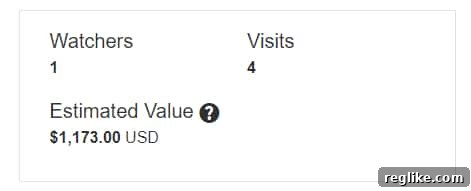
The Double-Edged Sword of Transparency in Domain Auctions
Transparency in any market can lead to more informed decisions. In theory, knowing how many people are watching a domain could signal its perceived value or demand, potentially encouraging more participation or higher bids. For new investors, this data might offer insights into popular niches or valuable assets. However, the unique nature of domain investing, particularly in competitive auction environments, means that certain types of transparency can inadvertently dismantle established strategies and diminish user convenience. The concern isn’t about transparency itself, but about the specific data being revealed and its potential ripple effects if extended beyond its current scope.
What are GoDaddy Closeout Auctions?
To fully understand the context, it’s important to differentiate between various types of GoDaddy auctions. Closeout auctions typically involve domains that have passed through standard expired domain auctions without being purchased. They are often characterized by a descending price model (reverse auction), where the price drops over time until someone buys it or the auction ends. This mechanism is distinct from standard expiring domain auctions, where bidders compete to drive the price up. In a closeout scenario, watcher data might make more sense as it could indicate collective interest in a domain where the objective is to be the first to claim it at an acceptable price, rather than outbidding others in a competitive climb.
Strategic Investing: The Current GoDaddy Watchlist Advantage
One of the most appreciated features of GoDaddy Auctions, particularly for strategic domain investors, is the ability to add a domain to a personal watchlist without publicly revealing one’s interest. This seemingly simple functionality forms the backbone of many efficient domain acquisition workflows. Investors can meticulously sift through the vast inventory of expiring domain names, curate a list of promising candidates, and add them to their watchlist with complete discretion. This privacy allows for thoughtful analysis, market research, and strategic planning without tipping off potential competitors to one’s targets.
For many, this process involves a weekly routine: filtering the extensive inventory of expiring domains, identifying valuable assets, and adding them to a private watchlist. These watched domains then seamlessly integrate with the GoDaddy Investor app, a crucial tool for on-the-go management. This mobile integration empowers investors to monitor their selected auctions and place bids conveniently from their mobile phones as auctions draw to a close. This current setup is not just convenient; it’s a strategic enabler, allowing investors to prepare proactively and execute efficiently without revealing their hand prematurely.
The Contrast: GoDaddy’s Private Watchlist vs. Public Backorder Services
To highlight the significance of GoDaddy’s current private watchlist feature, it’s helpful to compare it with how other domain auction services, particularly those requiring a backorder, operate. Services like SnapNames or NameJet necessitate placing a backorder to express interest in an expiring domain. The act of placing a backorder, by its very nature, often draws attention to a domain. This public declaration of interest can ignite a bidding war, leading many savvy investors to hold off until the very last minute to place their backorders, or to rely on sophisticated APIs and bots to automate last-second placements. This method, while effective for some, is inherently less efficient for manual users and creates a high-pressure, reactive bidding environment.
GoDaddy’s current model, where a watchlist remains private, avoids this inherent inefficiency. It allows for a more considered, proactive approach where investors can identify targets early, perform due diligence, and then engage at their chosen moment, often from the convenience of their mobile device. The privacy aspect fosters a level playing field where strategic research and timely action are rewarded, rather than just last-second sniping or bot-driven participation.
The Potential Disruption: Extending Watcher Data to All Auctions
The core concern arises from the hypothetical scenario where GoDaddy decides to extend the sharing of watcher data from closeout auctions to all expiring domain auctions. Such a move would fundamentally alter the dynamics of the platform and, for many, represent a significant degradation of the user experience and strategic flexibility.
Disruption of Established Workflows
If watcher data were to be universally displayed, the ability to discreetly build a weekly watchlist would be severely compromised. Investors would no longer be able to pre-load all their desired domains for the week ahead of time, knowing that their interest would immediately be flagged to competitors. This shift would force a reactive rather than a proactive approach to domain acquisition.
Reduced Bidding Activity and Convenience
The current GoDaddy Investor app is designed to facilitate mobile bidding on watched domains. If the act of watching a domain became public, many investors would likely shy away from using the watchlist feature extensively for fear of attracting unwanted attention. This would mean that investors would either need to bid directly through the web interface (thus eliminating mobile convenience) or constantly monitor auctions from their computer. Needing to be physically in front of a computer with a meticulously maintained list of closing times would dramatically reduce the efficiency of the bidding process. For investors who manage multiple auctions simultaneously, this added friction would undoubtedly lead to a significant reduction in their overall bidding activity, potentially harming GoDaddy’s own auction volume.
Psychological Impact and Market Manipulation
The psychological impact of knowing how many people are watching a domain cannot be underestimated. It can create a sense of urgency or false demand, potentially leading to inflated bids. Conversely, a low watcher count might deter bidders, making them question the domain’s value. Furthermore, the public display of watcher data opens the door to potential manipulation, where bots or coordinated groups might artificially inflate watcher counts to create a false sense of interest, thereby driving up prices unfairly.
When Does Watcher Data Make Sense?
It’s important to reiterate that watcher data’s utility is not universally condemned. For closeout domains, particularly those operating on a reverse auction model, revealing watcher interest might align better with the auction’s objective. In these scenarios, knowing how many people are tracking a declining price could encourage a quicker decision to purchase at a perceived ‘good deal’ before others do. The strategy here is about timing a purchase before someone else hits the ‘buy now’ button, rather than outbidding competitors in a traditional auction climb.
The Argument Against Widespread Watcher Data: A Bid is the True Indicator
For standard, forward-bidding expiring domain auctions, the argument against widespread watcher data remains strong. In these auctions, the ultimate and most reliable indicator of genuine interest is a bid itself. When an investor places a bid, it already triggers a notification to other interested parties, signaling intent and initiating the competitive process. Adding pre-bid ‘watcher’ data prior to this serves little practical purpose for serious investors and, as discussed, introduces significant friction and strategic disadvantages.
Instead of enhancing the auction experience, making watcher data public for all domains could transform a streamlined, strategic process into a cumbersome, reactive one. It could deter sophisticated investors who rely on privacy and efficiency, and potentially lead to a less vibrant, less competitive auction environment overall. GoDaddy, as a leading platform for domain transactions, has a vested interest in fostering an environment that encourages participation and makes domain investing as accessible and efficient as possible.
Conclusion: Balancing Transparency with User Experience
The revelation of watcher data in GoDaddy’s closeout domain auctions represents a significant point of discussion within the domain investing community. While the intent behind increased transparency might be to provide more information, its broader application to all expiring domain auctions would likely have detrimental effects on user strategy, convenience, and overall bidding activity. The current system, which allows investors to privately curate watchlists and bid efficiently via mobile, is a cornerstone of many successful domain acquisition strategies. Disrupting this established workflow by making private interest public could alienate a significant portion of the user base.
GoDaddy has an opportunity to carefully consider this feedback. Maintaining the privacy of watchlists for regular expiring domain auctions, while perhaps exploring nuanced applications for specific auction types like closeouts, would strike a better balance. Ultimately, preserving a user-friendly and strategically sound environment for domain investors should be a priority, ensuring that GoDaddy Auctions remains the preferred platform for acquiring valuable digital assets without unnecessary complications.