
Google’s Evolving SERPs: The Role of Favicons, Domain Names, and the Desktop-Mobile Divide
Google’s continuous efforts to refine its search engine results pages (SERPs) are a testament to the ever-changing landscape of digital information consumption. Recently, the tech giant rolled out significant visual updates to its desktop search results, making them remarkably similar to their mobile counterparts. This transformation introduced key elements such as prominent site favicons, explicit display of second-level and top-level domains, refined titles, and concise snippets. While these changes aim to foster a more consistent and user-friendly experience, they have also ignited discussions, particularly concerning the inconsistent display of domain names across desktop and mobile platforms and their potential impact on user trust and the crucial distinction between organic and paid content.
The New Look of Desktop Search: Consistency Meets Controversy
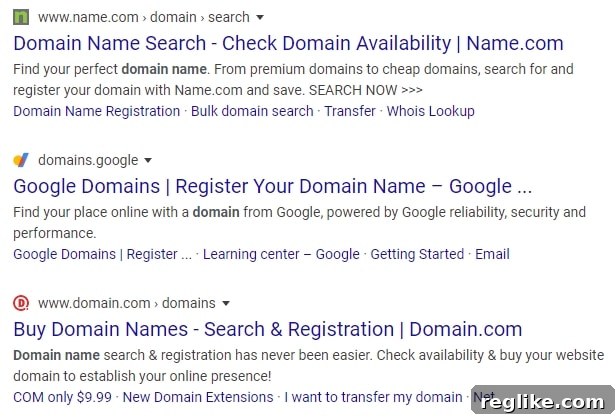
The recent desktop SERP overhaul marked a pivotal moment, aligning its aesthetics more closely with the mobile experience. Previously, desktop results were characterized by a more text-centric design. Now, users encounter a more visually rich interface, designed to aid in quicker identification and enhanced brand recognition:
- Site Favicons: A small, often custom-branded icon that visually represents the website, now appearing prominently to the left of each search result.
- Domain Name Visibility: The complete domain name, including its sub-domain and top-level domain, is now explicitly displayed directly above the result’s title.
- Enhanced Titles and Snippets: Google has continued its work on presenting clearer, more relevant titles and descriptive snippets that accurately summarize the content of the linked page.
- Bold “Ad” Tag: For paid listings, the “Ad” tag is now rendered in a bolder, more distinct font, theoretically making it easier for users to differentiate sponsored content from organic results.
While the intent behind these changes is largely positive—aiming for a more cohesive and intuitive search environment—they haven’t been universally lauded. For some users, the sudden proliferation of favicons can be visually overwhelming or distracting. The concern arises whether a multitude of diverse icons, while meant to aid identification, might inadvertently blur the lines between organic listings and advertisements, especially when every result now begins with a graphical element. This visual consistency across all listing types, both paid and unpaid, has sparked debate regarding its actual impact on user clarity.
The Puzzling Mobile Anomaly: Why No Domain Names for Organic Results?
Despite the push for consistency across devices, a significant discrepancy persists within Google’s search results: the absence of domain names for organic listings on mobile. Following the desktop updates, Google’s search liaison, Danny Sullivan, publicly underscored the importance of domain names in search listings, citing their role in helping users identify information sources. However, this affirmation stands in stark contrast to the enduring practice of omitting domain names from organic mobile search results.
Then why don’t you show them in mobile search results?
— DomainNameWire.com (@DomainNameWire) January 20, 2020
This inconsistency raises a critical question: if domain names are indeed vital for transparency and user recognition on desktop, why are they conspicuously absent from mobile search results? Mobile devices, characterized by their smaller screens and often hurried user interactions, are arguably platforms where users could benefit even more from explicit source identification. The lack of a clear domain name – a fundamental trust signal – could potentially make it harder for mobile users to swiftly assess the credibility or origin of an organic listing. This scenario increases the risk of users inadvertently clicking on less reputable or irrelevant content, leading to the concern that they might be more easily “duped” on mobile.
Adding another layer to this enigma, Google does display domain names for advertisements on mobile search. This selective display further highlights the inconsistency: Google recognizes the importance of domain visibility when it comes to paid placements, perhaps to ensure advertisers receive full attribution. Yet, for organic results, mobile users are often left to infer the source solely from the favicon, title, and snippet – a less explicit and potentially less trustworthy experience compared to desktop or even mobile ads.
Favicons: From Minor Detail to Major Branding Asset
One undeniable outcome of Google’s recent updates, particularly the ubiquitous integration of favicons across both desktop and mobile SERPs, is the dramatic elevation of their importance. No longer confined to browser tabs or bookmarks, the favicon has transformed into a critical, front-facing branding element within the search results themselves.
Why Your Favicon Demands Attention Now:
- Instant Brand Recognition: A distinctive and well-designed favicon enables users to quickly spot and differentiate your brand amidst a crowded list of search results, even when scanning rapidly.
- Enhanced User Experience: A clear, relevant, and visually appealing favicon contributes to a more intuitive and aesthetically pleasing SERP, helping users efficiently locate desired information.
- Building Trust and Authority: A professional and consistent favicon subtly communicates legitimacy and a well-maintained online presence, fostering user trust even before they click.
- Competitive Differentiation: In highly competitive search categories, a unique and memorable favicon can significantly help your listing stand out from those of competitors, especially those with generic or poorly executed icons.
- Potential Impact on Click-Through Rate (CTR): While difficult to isolate, a compelling favicon, when combined with strong titles and snippets, can positively influence a user’s decision to click on your link. It adds to the overall perceived professionalism and relevance of your result.
For webmasters and digital marketers, optimizing your favicon is no longer an afterthought. It’s imperative to ensure your favicon is high-resolution, accurately reflects your brand identity, and displays correctly across various devices and browser types. Google recommends using a square image that is a multiple of 48 pixels (e.g., 48x48px, 96x96px, 144x144px) and saved in a widely supported format like PNG or ICO.
Strategic SEO Implications for Webmasters and Businesses
The dynamic evolution of Google’s SERPs carries profound implications for search engine optimization strategies. Adapting proactively to these changes is paramount for maintaining visibility, attracting targeted traffic, and cultivating a robust online presence.
Key SEO Considerations in the New SERP Landscape:
- Branding Beyond Text: While strong keyword research and content remain foundational, brand identity is now more visually central than ever before. Invest in a cohesive brand image that resonates visually, with your favicon serving as a crucial ambassador for your site directly within search results.
- True Mobile-First Optimization: The persistent inconsistency with domain names on mobile organic results emphatically reinforces the need for an authentic mobile-first strategy. Your titles, meta descriptions, and on-page content must be exceptionally clear, concise, and compelling to provide maximum context, especially where explicit domain names are absent.
- Clarity and Value in Snippets: With potentially less explicit source identification on mobile, the descriptive power of your meta descriptions and the initial content users see in search snippets become even more critical. Craft snippets that precisely communicate value, relevance, and what users can expect from your page.
- User Trust and Transparency Focus: Google’s decision to bold the “Ad” tag and the continued display of domain names for mobile ads suggests a nuanced approach to user transparency and monetization. For organic listings, the emphasis should be on creating inherently high-quality, trustworthy content that speaks for itself and builds natural authority.
- Proactive SERP Performance Monitoring: It is crucial to regularly monitor how your listings appear on both desktop and mobile devices. A/B test different favicon designs if appropriate, and continuously analyze click-through rates (CTR) to gain insights into how users are interacting with your search presence across various contexts.
Google’s Strategic Vision: Balancing User Experience with Monetization
Google’s continuous adjustments to its SERP design are indicative of a complex and ongoing balancing act. On one hand, the company is unequivocally committed to providing the best possible user experience, striving to make search results intuitive, informative, and easily navigable. The integration of favicons and improved visual clarity on desktop aligns perfectly with this goal, aiming to empower users to quickly identify and navigate to reputable sources.
On the other hand, Google operates as a global enterprise with substantial revenue generated from advertising. The deliberate choice to bold the “Ad” tag for sponsored content, coupled with the consistent display of domain names for mobile ads (while omitting them for organic mobile results), suggests a sophisticated strategy. This approach aims to clearly delineate paid content, perhaps to uphold transparency with users while simultaneously ensuring advertisers receive adequate visibility, context, and attribution for their paid placements. This dynamic interplay between user-centric design and business imperatives ensures that the SERP will continue to evolve.
Webmasters, SEO professionals, and digital marketers must therefore remain agile, consistently analyzing these changes and adapting their strategies to align with Google’s shifting vision for search. The enduring focus will invariably be on delivering high-quality, relevant content, optimized meticulously for both desktop and mobile, and presented with a strong, instantly recognizable brand identity. Staying informed and adaptable is key to long-term success in this ever-changing digital ecosystem.
Conclusion: Navigating the Nuances of Google’s Search Evolution
Google’s recent modifications to its desktop search results, drawing them closer to their mobile counterparts through the integration of favicons and explicit domain names, represent a significant evolution in how users perceive and interact with search. While these updates largely aim to enhance user experience and bolster brand recognition, the persistent inconsistency regarding domain name display for organic listings on mobile presents a unique challenge that demands attention.
This discrepancy underscores the critical imperative for webmasters to prioritize not just conventional SEO tactics, but also robust branding and an unblemished mobile user experience. The favicon, once a minor detail, has now been catapulted into the spotlight as a pivotal brand identifier. As Google continues its iterative refinement of the search interface, the overarching lesson remains crystal clear: remain adaptable, optimize meticulously for all devices, and consistently prioritize the delivery of transparent, trustworthy, and high-quality content that directly addresses user intent. Only by diligently understanding and responding to these nuanced shifts can businesses truly flourish in Google’s perpetually transforming search landscape.