
Unlock Your Website’s Potential: Mastering Google Search Console Data
In the ever-evolving landscape of digital marketing, data reigns supreme. Understanding how your website performs in search engine results is crucial for driving organic traffic, improving user experience, and ultimately achieving your online business goals. Fortunately, Google provides a powerful tool, Google Search Console (formerly Webmaster Tools), that offers a wealth of insights into your website’s search performance. This tool allows you to tap into valuable data that can inform your SEO strategy and help you make data-driven decisions to boost your online visibility.
Google Search Console has become an indispensable resource for website owners, marketers, and SEO professionals. It provides a direct line of communication with Google, offering critical information about how Google crawls and indexes your site. Beyond the technical aspects, it also unlocks a treasure trove of organic search data, including keyword rankings, impressions, and click-through rates. By carefully analyzing this data, you can identify opportunities to optimize your website for higher rankings and increased traffic.
The Power of Organic Search Data
For years, SEO experts relied on estimates and third-party tools to understand how search position affects click-through rates. Now, Google Search Console provides direct, verifiable data about your website’s performance. This eliminates guesswork and allows you to focus your efforts on strategies that yield the greatest return. The core of this power lies in understanding the key metrics provided within the Google Search Console interface.
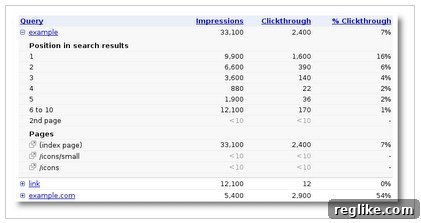
Google has recently enhanced the organic search data available to website owners through Google Search Console. This expansion means deeper insights into keyword performance, allowing you to track your website’s ranking for specific search terms, monitor how often your site appears in search results (impressions), and measure the click-through rate (CTR) for each position. This granular data empowers you to make informed decisions about your SEO strategy, content creation, and overall website optimization.
Imagine having a clear picture of how your website ranks for crucial keywords. With Google Search Console, you can see exactly where your site appears in search results for different terms. This allows you to identify keywords where you are already performing well and those where there is room for improvement. The ability to track these rankings over time provides valuable insights into the effectiveness of your SEO efforts.
Understanding Click-Through Rate (CTR)
Click-through rate (CTR) is a critical metric that measures the percentage of users who click on your website’s link in search results after seeing it. A higher CTR indicates that your website’s listing is compelling and relevant to the user’s search query. Google Search Console provides CTR data for each keyword and position, allowing you to assess the effectiveness of your title tags, meta descriptions, and overall search snippets.
One of the most valuable aspects of Google Search Console data is the ability to see the correlation between search position and click-through rate. Historically, SEO professionals have debated the precise impact of ranking in different positions on a search page. Now, you can see firsthand how much more traffic you can potentially gain by moving up just one position. This insight is invaluable for prioritizing your optimization efforts.
For example, if you identify a high-traffic keyword where your website has a CTR of 40% in the first position but only 5% in the second position, this clearly indicates a significant opportunity for improvement. This keyword should be a top priority for optimization, as even a small increase in ranking can lead to a substantial boost in traffic. Conversely, if you find a keyword where the CTR is relatively similar between the first and second positions (e.g., 6% in position one and 5% in position two), you might prioritize other keywords with a greater potential for impact.
Leveraging Data for Optimization
The data within Google Search Console is more than just numbers; it’s a roadmap for improving your website’s performance. Here’s how you can use this data to drive meaningful results:
* **Identify High-Potential Keywords:** Focus on keywords that have a high search volume but a low ranking. These keywords represent significant opportunities to attract more traffic.
* **Optimize Title Tags and Meta Descriptions:** Craft compelling title tags and meta descriptions that accurately reflect the content of your pages and entice users to click. A/B test different variations to see what resonates best with your target audience.
* **Improve Content Relevancy:** Ensure your content is highly relevant to the keywords you are targeting. Provide comprehensive and valuable information that satisfies the user’s search intent.
* **Enhance User Experience:** A positive user experience is crucial for driving repeat visits and improving your website’s overall ranking. Ensure your website is fast, mobile-friendly, and easy to navigate.
* **Monitor Performance Over Time:** Regularly track your website’s performance in Google Search Console to identify trends and measure the effectiveness of your optimization efforts.
Getting Started with Google Search Console
If you haven’t already, the first step is to verify your website with Google Search Console. This process involves proving that you own or manage the website. Google provides several methods for verification, including uploading an HTML file to your website, adding a meta tag to your website’s homepage, or using your Google Analytics account.
Once your website is verified, you can access the wealth of data within Google Search Console. Explore the different reports and dashboards to gain a comprehensive understanding of your website’s performance. Pay particular attention to the Performance report, which provides detailed data on keyword rankings, impressions, and click-through rates.
Regularly logging into your Google Search Console account is essential for staying informed about your website’s performance and identifying opportunities for improvement. Set aside time each week or month to review the data and make adjustments to your SEO strategy as needed. By actively monitoring and analyzing your data, you can continuously optimize your website for higher rankings, increased traffic, and ultimately, greater success.
Beyond the Basics: Advanced Strategies
Once you’ve mastered the fundamentals of Google Search Console, you can delve into more advanced strategies to further optimize your website’s performance. This includes:
* **Analyzing Query Data:** Identify the specific search queries that are driving traffic to your website. This can provide valuable insights into user intent and help you refine your content strategy.
* **Identifying Crawl Errors:** Google Search Console will alert you to any crawl errors that are preventing Google from properly indexing your website. Fixing these errors is crucial for ensuring your website is fully visible to search engines.
* **Submitting Sitemaps:** Submitting a sitemap to Google Search Console helps Google crawl and index your website more efficiently. This is particularly important for websites with a large number of pages or complex navigation.
* **Mobile Optimization:** With the increasing prevalence of mobile devices, ensuring your website is mobile-friendly is more important than ever. Google Search Console provides insights into mobile usability issues that can negatively impact your website’s ranking.
* **International Targeting:** If you target an international audience, Google Search Console allows you to specify your target country. This helps Google show your website to the right users in the right location.
Conclusion: Data-Driven Success
Google Search Console is a powerful tool that provides invaluable data for optimizing your website’s performance in search results. By understanding and leveraging this data, you can make informed decisions about your SEO strategy, content creation, and overall website optimization. Regularly monitoring and analyzing your data is crucial for staying ahead of the curve and achieving long-term success in the ever-changing digital landscape. Embrace the power of data and unlock your website’s full potential with Google Search Console.