
Airbnb Faces Trademark Lawsuit Over Birdhouse Ad Campaign: HomeAway Alleges Infringement
In a surprising turn of events, the vacation rental giant Airbnb is facing a trademark infringement lawsuit filed by its publicly traded rival, HomeAway (NASDAQ: AWAY). The legal battle stems from Airbnb’s recent advertising campaign featuring birdhouses, which HomeAway argues is a direct violation of its established trademarks.
The Birdhouse as a Symbol: HomeAway’s Brand Identity
For HomeAway, the birdhouse is more than just a decorative object; it’s a cornerstone of their brand identity. The company’s logo prominently features a birdhouse, and it has become a recognizable symbol associated with their vacation rental services. Internally, the birdhouse theme is deeply ingrained in the company culture. At HomeAway’s Austin headquarters, a large birdhouse replica stands as a central feature, and new employees are even encouraged to design their own birdhouses as part of their onboarding process.
According to the lawsuit (available as a PDF), HomeAway claims that Airbnb is fully aware of the significance of the birdhouse to their brand. The lawsuit alleges that Airbnb’s CEO visited HomeAway’s headquarters in 2001 and was given a personal tour, during which he saw the prominent birdhouse replica. HomeAway asserts that this demonstrates Airbnb’s knowledge of their birdhouse-related trademarks and their use in promoting the HomeAway brand.
Airbnb’s “Home to You” Campaign: The Source of the Dispute
The controversy erupted following the launch of Airbnb’s “Home to You” advertising campaign. HomeAway argues that this campaign signals Airbnb’s increasing focus on the vacation rental market, moving beyond its traditional focus on rentals in major cities. A key component of the campaign is a companion website, Birdbnb.com, which prominently features birdhouses. The campaign also centers around a video showcasing 50 birdhouses.
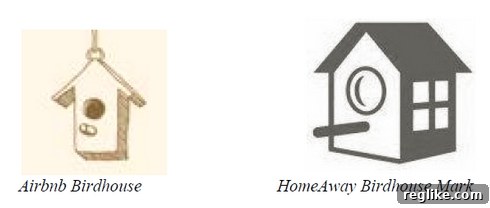
HomeAway contends that Airbnb’s use of birdhouses in the “Home to You” campaign infringes upon its trademarks, specifically its stylized designs for birdhouses. The lawsuit accuses Airbnb of deliberately using a similar symbol to confuse consumers and capitalize on HomeAway’s established brand recognition.
Legal Implications and Potential Outcomes
The lawsuit raises significant legal questions about trademark infringement and the extent to which a company can protect a common symbol like a birdhouse. To succeed in its claim, HomeAway will need to demonstrate that Airbnb’s use of birdhouses creates a likelihood of confusion among consumers. This will involve presenting evidence of consumer perception, marketing strategies, and the overall similarity between the two companies’ branding.
Airbnb, on the other hand, is likely to argue that birdhouses are a generic symbol of home and shelter, and that HomeAway cannot claim exclusive rights to their use in the vacation rental industry. They may also argue that their use of birdhouses is sufficiently different from HomeAway’s designs to avoid any risk of consumer confusion.
The outcome of the lawsuit could have significant implications for both companies and the broader vacation rental market. If HomeAway prevails, it could set a precedent for the protection of common symbols as trademarks, potentially limiting the creative freedom of competitors. Conversely, if Airbnb wins, it could weaken HomeAway’s brand identity and open the door for other companies to use similar symbols in their marketing efforts.
Expert Analysis and Industry Reaction
Legal experts are divided on the merits of the case. Some argue that HomeAway has a strong case based on its long-standing use of the birdhouse as a central element of its brand. Others believe that Airbnb has a valid defense, given the generic nature of the symbol and the differences in the overall branding of the two companies.
Industry analysts are closely watching the case, as it could have a ripple effect on the competitive landscape of the vacation rental market. The lawsuit highlights the increasing importance of brand protection in a rapidly growing and competitive industry. As more companies enter the market, the risk of trademark disputes and other intellectual property challenges will likely increase.
The Importance of Trademark Protection
This case underscores the importance of trademark protection for businesses of all sizes. A trademark is a symbol, design, or phrase legally registered to represent a company or product. It provides the owner with exclusive rights to use the mark in connection with the goods or services it identifies.
Trademark protection is crucial for several reasons:
- Brand Recognition: A strong trademark helps consumers easily identify and remember a company’s products or services.
- Competitive Advantage: A unique trademark differentiates a company from its competitors and helps it stand out in the marketplace.
- Consumer Trust: A well-established trademark builds trust and confidence among consumers, as it represents a consistent level of quality and service.
- Legal Protection: Trademark registration provides legal recourse against infringers who attempt to use similar marks to deceive consumers or profit from the company’s reputation.
Companies should take proactive steps to protect their trademarks, including conducting thorough trademark searches before launching new products or services, registering their trademarks with the relevant authorities, and actively monitoring the marketplace for potential infringements.
Moving Forward: What’s Next for Airbnb and HomeAway?
The lawsuit between Airbnb and HomeAway is likely to be a lengthy and complex legal battle. Both companies have deep pockets and are expected to vigorously defend their respective positions.
In the meantime, Airbnb will need to carefully consider the potential impact of the lawsuit on its brand reputation and marketing strategy. While it is unlikely to completely abandon the “Home to You” campaign, it may need to modify its use of birdhouses to mitigate the risk of further legal challenges.
HomeAway, on the other hand, will need to continue to defend its trademarks and protect its brand identity in the face of increasing competition. The lawsuit could serve as a warning to other companies in the vacation rental market to respect intellectual property rights and avoid infringing on established trademarks.
Ultimately, the outcome of the lawsuit will depend on the specific facts of the case and the interpretation of trademark law by the courts. Regardless of the outcome, the case serves as a reminder of the importance of brand protection and the potential legal consequences of trademark infringement.
The Broader Impact on the Vacation Rental Industry
Beyond the immediate implications for Airbnb and HomeAway, this legal battle highlights the growing pains of a rapidly evolving industry. The vacation rental market has exploded in recent years, driven by the rise of online platforms and changing consumer preferences. This growth has created new opportunities for businesses, but it has also led to increased competition and a greater risk of legal disputes.
As the industry matures, companies will need to invest in strong legal and compliance programs to protect their intellectual property and avoid costly litigation. They will also need to be more mindful of the potential impact of their marketing activities on competitors and consumers.
The Airbnb-HomeAway lawsuit is just one example of the legal challenges facing the vacation rental industry. As the industry continues to evolve, we can expect to see more disputes over trademarks, copyrights, and other intellectual property rights. Companies that proactively protect their brands and respect the rights of others will be best positioned for long-term success.