
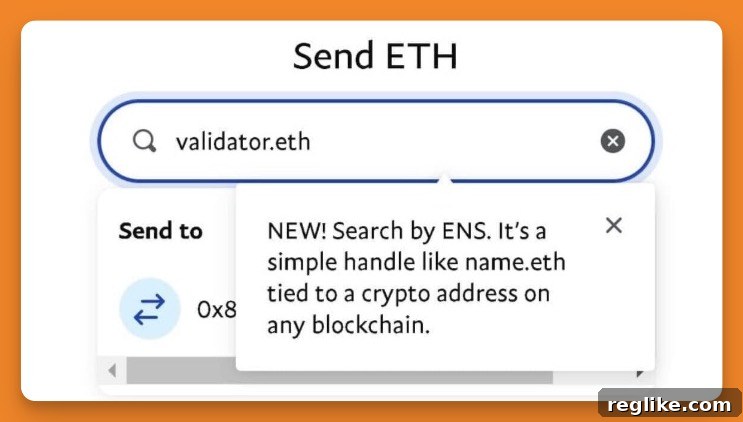
Popular payment platforms make it easier to send crypto by adopting ENS addresses.
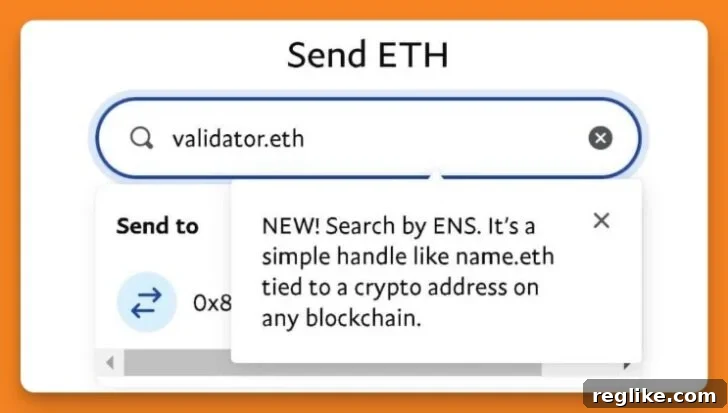
Revolutionizing Crypto Payments: Venmo and PayPal Integrate Ethereum Name Service (ENS)
The world of cryptocurrency has long been defined by its technological innovation, offering unprecedented levels of security and decentralization. However, for mainstream users, sending and receiving digital assets has often been a complex endeavor, primarily due to the cumbersome nature of long, alphanumeric wallet addresses. This challenge has served as a significant barrier to widespread adoption, deterring many potential users from engaging with the crypto ecosystem. In a monumental leap towards simplifying this experience, leading payment giants Venmo and PayPal have officially integrated with the Ethereum Name Service (ENS), ushering in a new era of user-friendly crypto transactions. This strategic move allows users to leverage human-readable .eth addresses instead of the intimidating string of characters that previously defined blockchain interactions.
The Persistent Challenge of Cryptographic Addresses
At the core of every blockchain transaction lies a unique wallet address, a cryptographic identifier that ensures funds are sent to the correct recipient. While technically robust, these addresses, often dozens of characters long, are notoriously difficult to remember, prone to transcription errors, and inherently user-unfriendly. Imagine typing a 42-character code every time you wanted to send money to a friend – the friction is immense. A single misplaced character can lead to irretrievable loss of funds, a daunting prospect for even seasoned crypto enthusiasts, let alone newcomers. This complexity has been a major bottleneck, preventing cryptocurrency from achieving the same level of accessibility and convenience as traditional fiat payment systems. The need for a simpler, more intuitive way to identify blockchain wallets has been a pressing concern within the industry for years, and ENS emerged as the elegant solution.
Understanding Ethereum Name Service (ENS): The Internet’s Address Book for Web3
Ethereum Name Service (ENS) is a decentralized, open, and extensible naming system built on the Ethereum blockchain. Its primary function is to translate machine-readable identifiers, such as Ethereum addresses, into human-readable names, much like the Domain Name System (DNS) does for IP addresses on the traditional internet. Instead of remembering a complex string like “0x9cE0eD2E1C9b3c4D5F6G7H8I9J0K1L2M3N4O5P6Q,” users can now associate a memorable name, such as “john.eth” or “companyname.eth,” with their wallet address. This innovative system significantly reduces the cognitive load associated with crypto transactions, making them as simple as sending an email or visiting a website by its domain name.
How ENS Simplifies Crypto Transactions
The beauty of ENS lies in its simplicity and security. By replacing long, error-prone hexadecimal addresses with easily recognizable names, ENS minimizes the risk of sending funds to the wrong address. This is not just a convenience feature; it’s a critical security enhancement. When you type “alice.eth” into a payment platform, the ENS system automatically resolves that name to Alice’s underlying Ethereum wallet address, ensuring accuracy and peace of mind. Moreover, ENS names are not limited to just wallet addresses; they can also point to other resources, such as IPFS content hashes for decentralized websites, or even traditional DNS names, making them a versatile building block for the entire Web3 ecosystem. The .eth domain extension is a unique identifier within the ENS framework, signifying its origin and functionality within the Ethereum network.
Venmo and PayPal Embrace ENS for Seamless Transactions
The recent integrations by Venmo and PayPal mark a pivotal moment for mainstream cryptocurrency adoption. These platforms, trusted by millions globally for their ease of use, are now directly leveraging ENS to simplify crypto payments within their existing interfaces. With this new integration, individuals sending money on Venmo and PayPal can simply enter an Ethereum Name Service name – specifically a .eth domain – and the services will automatically correlate these to the correct underlying wallet address. This functionality dramatically streamlines the process of sending and receiving Ethereum (ETH) and other ERC-20 tokens supported by these platforms, eliminating the need to copy-paste or manually type lengthy addresses.
Enhanced User Experience and Security
The direct integration of ENS within Venmo and PayPal’s user interface means that the complexity of blockchain addresses is now abstracted away from the end-user. For senders, this means a familiar, intuitive experience akin to sending money to a username or email address. For receivers, it means providing a simple, memorable .eth name instead of a cryptic address. Both payment services have also wisely incorporated an address book feature, allowing users to store ENS names of frequent contacts or businesses. This further enhances convenience, allowing sellers to easily recall and interact with ENS names they commonly transact with, much like a traditional contact list. While ENS supports a broader range of traditional domains and other naming conventions, the initial integration focuses solely on .eth domains, emphasizing security and a streamlined approach for Ethereum-based assets.
The Broader Impact on Cryptocurrency Adoption
This move by two of the world’s largest payment processors is more than just a feature update; it’s a profound statement on the growing maturity and legitimacy of the cryptocurrency space. For years, the crypto community has strived to make digital assets accessible to everyone, not just tech-savvy early adopters. The Venmo and PayPal integrations with ENS are a massive leap in this direction, significantly lowering the barrier to entry for millions of potential new users.
Lowering the Barrier to Entry
The psychological hurdle of complex blockchain addresses has been a major deterrent for individuals considering their first foray into crypto. By replacing these with simple, human-readable names, Venmo and PayPal are effectively onboarding a new generation of users who might otherwise have been intimidated. This makes cryptocurrency less abstract and more tangible, bridging the gap between traditional finance and the decentralized digital economy. It transforms crypto from a niche technology into a practical tool for everyday transactions.
Driving Mainstream Acceptance
When platforms with the reach and reputation of Venmo and PayPal embrace a technology like ENS, it sends a powerful signal to the broader market. It normalizes cryptocurrency payments, presenting them as a legitimate and convenient alternative to traditional payment methods. This kind of endorsement can accelerate the mainstream acceptance of crypto, encouraging more businesses to integrate digital asset payments and fostering greater trust among consumers. It’s a crucial step towards making crypto an integral part of global commerce.
ENS: A Cornerstone of Web3 Infrastructure
Beyond simplifying payments, ENS represents a fundamental building block of the evolving Web3 internet. Just as DNS is critical for navigating the traditional web, ENS is becoming indispensable for the decentralized web. It provides a universal identity layer for individuals and entities across various decentralized applications (dApps), smart contracts, and blockchain networks. An ENS name can serve as a unified digital identity, connecting not just a wallet address but also profile information, decentralized websites, and other Web3 resources. This functionality extends far beyond just sending money; it’s about creating a more coherent, user-centric internet where individuals have greater control over their digital identities and assets. Its decentralized nature, unlike traditional DNS which is controlled by central authorities, ensures censorship resistance and enhanced security for users.
Future Outlook and Opportunities
The integration of ENS by Venmo and PayPal is likely just the beginning. We can anticipate other major financial institutions and payment platforms to follow suit, realizing the immense benefits of simplifying crypto transactions. Future developments could include support for a wider range of blockchain naming services beyond ENS, interoperability between different naming systems, and even deeper integration of ENS into other aspects of digital identity and online services. While the current integration focuses on .eth domains, the potential for expanding to other assets and even traditional DNS-linked domains within these platforms remains a promising future opportunity. The educational aspect will also be key, ensuring users understand the benefits and best practices for managing their ENS names and associated crypto assets. As the crypto ecosystem continues to mature, solutions like ENS will play an increasingly vital role in making Web3 truly accessible and user-friendly for everyone.
Conclusion
The adoption of Ethereum Name Service by Venmo and PayPal marks a watershed moment in the journey towards mainstream cryptocurrency adoption. By tackling the long-standing challenge of complex wallet addresses, these integrations are poised to unlock crypto’s potential for a wider audience, making digital asset transactions as simple and intuitive as sending an email. This pivotal development not only enhances user experience and security but also propels cryptocurrency further into the realm of everyday utility, solidifying its place as a transformative force in global finance and the evolving Web3 landscape. The future of payments is undeniably heading towards greater simplicity and accessibility, and ENS, championed by these industry giants, is leading the charge.