
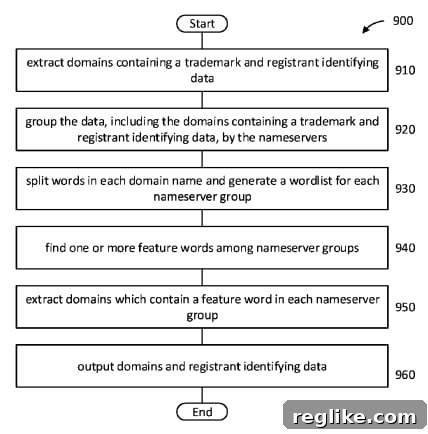
IBM’s latest patent application signifies a pivotal advancement in the ongoing battle against sophisticated cyber threats, specifically targeting the pervasive issue of combosquatting. This innovative approach moves beyond mere detection, offering a robust method to establish critical linkages between malicious domains and their operators, thereby bolstering global brand protection efforts.
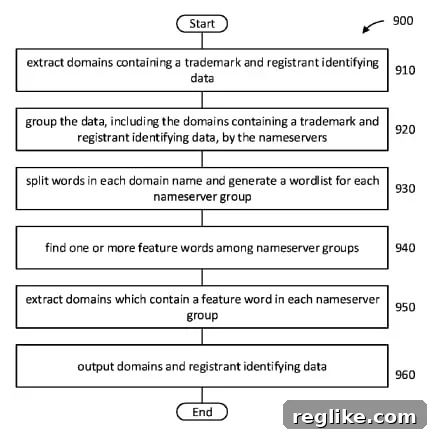
IBM’s Breakthrough: Unmasking Combosquatting Networks with New Patent for Domain Linkage
In an increasingly digital world, the integrity of brand identities and the safety of consumers online are under constant assault from various cyber threats. Among the most insidious forms of digital deception is combosquatting – a cunning tactic employed by malicious actors to trick unsuspecting users. Recognizing the escalating danger, tech giant IBM has once again stepped to the forefront of cybersecurity innovation, filing a patent application titled “Combo-squatting domain linkage”. This groundbreaking application promises to revolutionize how organizations identify, track, and ultimately neutralize organized networks behind these harmful activities.
Understanding the Threat: What is Combosquatting?
Combosquatting is a specialized form of cybersquatting where an attacker registers a domain name that combines a famous brand name with an additional, often misleading, word or phrase. For example, instead of “IBM.com,” a combosquatter might register “IBM-login.com,” “IBM-support.net,” or “IBM-update.org.” The subtlety lies in the combination: by appending words like “login,” “support,” “security,” or “account,” these domains skillfully mimic legitimate online services, exploiting user trust and common online behaviors.
The primary goal of combosquatting is almost universally nefarious. These domains are typically weaponized for a variety of malicious purposes:
- Phishing Attacks: Luring users to fake login pages to steal credentials (usernames, passwords, credit card details).
- Malware Distribution: Hosting malicious software that infects users’ devices upon download or interaction.
- Scam Websites: Promoting fake products, services, or investment schemes.
- Brand Impersonation: Damaging a brand’s reputation by spreading misinformation or engaging in fraudulent activities under its perceived authority.
- Ransomware Deployment: Tricking users into downloading files that encrypt their data, demanding a ransom for its release.
The danger is amplified by the fact that many internet users might not scrutinize domain names meticulously, especially when presented with a seemingly familiar brand alongside a word that suggests a legitimate action. This human element of trust and habit makes combosquatting a highly effective tool for cybercriminals, leading to significant financial losses for individuals and severe reputational damage for businesses.
The Evolving Landscape of Cyber Deception
Combosquatting exists within a broader ecosystem of domain-related cyber threats, including typosquatting (minor misspellings of brand names), cybersquatting (registering brand names in bad faith), and domain spoofing. However, combosquatting presents a unique challenge because it doesn’t rely solely on typos or exact matches. Its strength lies in its ability to appear plausible and urgent, capitalizing on common user intentions (e.g., logging in, seeking support).
For large enterprises, the proliferation of combosquatting domains represents a continuous drain on resources. Identifying and taking down individual malicious domains is often a reactive, labor-intensive, and costly process. By the time one domain is neutralized, several others might have already sprung up, operated by the same underlying malicious entity. This “whack-a-mole” approach highlights the critical need for solutions that can connect these disparate dots and reveal the larger networks at play.
IBM’s Innovative Solution: Linking Malicious Domains
The core innovation of IBM’s new patent application lies in its ability to move beyond simply detecting a combosquatted domain to actively identifying the *linkage* between multiple such domains. This is a game-changer for brand protection and cybersecurity teams. Instead of merely addressing individual symptoms, this method aims to identify the root cause – the common ownership or operational infrastructure behind a cluster of malicious domains.
The patent outlines sophisticated techniques for establishing these crucial connections, leveraging various publicly available and observable data points:
- WHOIS Information Analysis: While WHOIS data can sometimes be obfuscated or faked, patterns often emerge. The patent describes methods to analyze registrant names, addresses, email contacts, and phone numbers. Even subtle similarities, such as a consistent typo in contact information across multiple registrations, or the use of the same privacy protection service, can serve as powerful indicators of common ownership.
- Nameserver Footprinting: Nameservers are the internet’s phone books, directing traffic for a domain. If multiple combosquatting domains, even with different WHOIS records, point to the same nameservers or a specific set of nameservers, it strongly suggests common infrastructure and, by extension, common ownership or a shared hosting provider used by the same malicious actor. This is a particularly robust indicator, as changing nameservers requires more effort than simply altering WHOIS details.
- IP Address and Hosting Environment Mapping: Similar to nameservers, if a collection of malicious domains resolves to the same IP addresses or clusters within a specific range of IP addresses, it points towards shared hosting or server infrastructure. This allows investigators to trace the digital footprint back to a common source, even if the registrant details are varied.
- SSL Certificate Data and Other Digital Signatures: Beyond what the patent explicitly details, advanced analysis can also look for patterns in SSL certificate issuance (e.g., common certificate authorities used, similar organization names on certificates), common web design templates, identical tracking codes, or specific malware signatures hosted across different domains. These “digital fingerprints” can provide additional layers of evidence for linkage.
By correlating these diverse data points, IBM’s system can construct a comprehensive profile of malicious networks, revealing the hidden connections between seemingly unrelated combosquatting domains. This shifts the paradigm from reactive domain-by-domain takedowns to strategic, bulk actions against the perpetrators and their entire digital infrastructure.
Building on Previous Innovations: A More Potent Defense
This latest patent application is not IBM’s first foray into combating combosquatting. The company had previously filed a prior combosquatting detection patent application. While that earlier patent described a method for identifying domains that combine brand names with other words, it was primarily focused on the detection aspect. Some might have considered it a somewhat complex approach for what is, at its core, the discovery of domains containing a specific string (a brand name) – a problem that can often be addressed with simpler string matching and lexical analysis algorithms.
The newer patent, however, represents a significant leap forward. It doesn’t just identify that a domain is a combosquat; it delves deeper to uncover *who* is behind it and *how* they are connected to other malicious domains. This distinction is crucial. Detecting an individual fake domain is important, but identifying an entire network operated by a single threat actor or group empowers organizations to mount a far more effective counter-attack. It allows for a more surgical and impactful response, potentially shutting down an attacker’s entire operation rather than just a single offending website.
Strategic Implications for Brand Protection and Cybersecurity
The implications of IBM’s “Combo-squatting domain linkage” patent are far-reaching for brand protection strategies across all industries. For corporations, this technology offers:
- Enhanced Enforcement Capability: The ability to link multiple domains to a single owner strengthens legal challenges, such as Uniform Domain-Name Dispute-Resolution Policy (UDRP) complaints, cease-and-desist letters, and potential lawsuits. It provides compelling evidence of systematic malicious intent, not just isolated incidents.
- Proactive Threat Mitigation: Instead of waiting for a phishing attack to occur, organizations can potentially identify and disrupt entire networks of malicious domains before they are fully weaponized, thereby minimizing potential harm to consumers and the brand.
- Resource Optimization: By consolidating efforts against known malicious actors, brand protection teams can allocate their resources more efficiently, reducing the time and cost associated with managing individual domain takedowns.
- Improved Consumer Trust: By actively and effectively combating digital impersonation, brands can better safeguard their customers from fraud, reinforcing trust and loyalty in their digital presence.
- Intelligence Gathering: The linkage data provides valuable intelligence on the tactics, techniques, and procedures (TTPs) of cybercriminals, allowing for better prediction and prevention of future attacks.
Technical Context and Future Outlook
The U.S. Patent and Trademark Office recently published IBM’s second patent application for “Combo-squatting domain linkage,” which was initially filed on August 16, 2019. This publication marks a key milestone, making the details of IBM’s innovative approach publicly accessible and signaling its potential impact on the cybersecurity landscape. The patent also cross-references a foreign patent application titled “Domain Impersonator Identification System,” indicating a broader, perhaps global, strategy by IBM to tackle domain-based cybercrime. This suggests that the principles and methodologies described are not confined to a single jurisdiction but are part of a wider effort to create an international framework for digital brand defense.
In conclusion, IBM’s patent represents a significant advancement in the ongoing arms race between cyber defenders and malicious actors. By enabling the strategic linking of combosquatting domains, this technology offers a powerful tool to dismantle organized cybercrime networks, protect corporate brands, and, most importantly, safeguard the trust and security of internet users worldwide. As digital threats continue to evolve, innovations like these are crucial in building a more resilient and secure online environment for everyone.