
ICANN Community Eager for In-Person Annual General Meeting in Seattle Amidst Shifting Global Landscape
A significant majority of participants in a recent survey have expressed a strong preference for this year’s ICANN Annual General Meeting (AGM) to be held in person. This widespread desire signals a collective yearning within the global internet governance community to return to face-to-face interactions, despite the persistent challenges posed by the ongoing pandemic and the need for stringent public health measures.
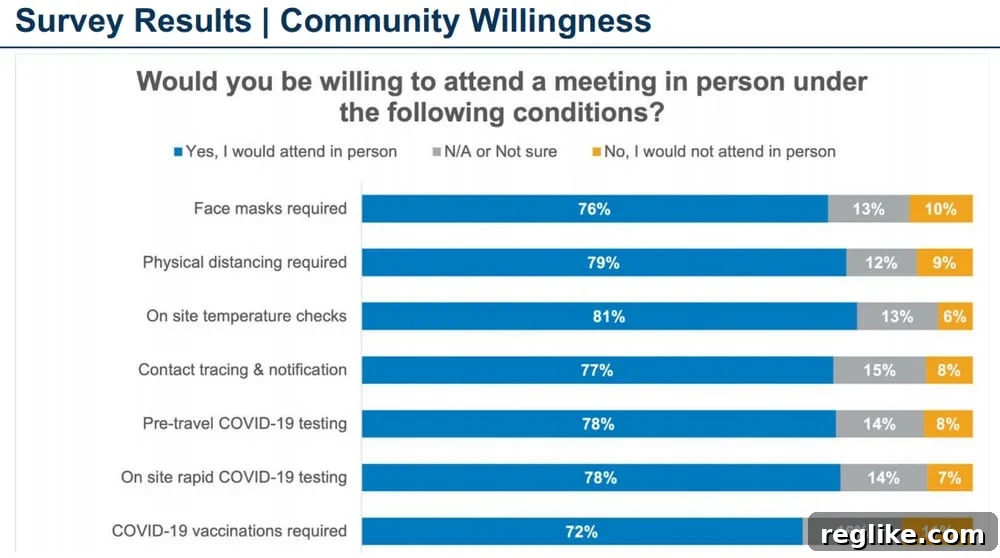
The recent survey, which garnered responses from 665 individuals, clearly indicated a dominant sentiment: the ICANN community wishes for the upcoming Annual General Meeting to convene physically. Slated for October 23-28 in Seattle, this gathering would mark a pivotal moment, being the first in-person ICANN meeting since ICANN 66 in Montreal, which took place in November 2019. The nearly two-year hiatus from physical meetings has underscored the unique value of direct interaction in the complex and collaborative world of internet policy and domain name system (DNS) management.
This strong community mandate comes at a time when organizations worldwide are grappling with the best approach to resuming large-scale international events. For ICANN, which relies heavily on its diverse multistakeholder model for policy development and decision-making, the format of its meetings directly impacts its operational efficacy and the global inclusiveness of its processes.
A Resounding Call for Face-to-Face Engagement and Adaptability
The survey results paint a compelling picture of an engaged community eager to reconnect. More than half of all respondents voiced their desire to participate in person, even acknowledging that such a return would likely entail significant modifications to the traditional meeting format. These anticipated adjustments include potential reductions in global diversity among attendees due to varying travel restrictions, a more streamlined program agenda, the necessity for advanced registration for specific sessions, and limitations on overall attendance, particularly due to essential public health requirements like vaccine mandates. Crucially, less than a quarter of respondents expressed opposition to attending under these modified circumstances, demonstrating a widespread willingness to adapt for the sake of in-person collaboration.
This readiness to embrace new protocols is further highlighted by the community’s overwhelming acceptance of health and safety restrictions. For instance, a mere 11% of respondents were against a mandatory vaccine requirement, and only 10% opposed a face mask mandate. These figures powerfully illustrate a collective commitment to creating a safe environment, prioritizing public health above personal inconvenience, and recognizing the shared responsibility required to facilitate an international gathering in the current global climate. The low level of opposition to these measures suggests a mature understanding within the community regarding the compromises necessary to safely resume the invaluable face-to-face interactions that define ICANN’s collaborative spirit.
Such adaptability reflects a pragmatic approach to the “new normal” for international events, where health and safety protocols are not just recommendations but fundamental prerequisites for convening. The ICANN community’s readiness to accept these terms underscores the perceived importance of physical meetings for the organization’s mission and the personal connections it fosters.
The Indispensable Value of In-Person ICANN Meetings
For an organization like ICANN, which operates on a unique global model, direct human interaction forms the bedrock of its policy development processes. While virtual meetings have proven invaluable in maintaining continuity and enabling participation during the pandemic, they inherently possess limitations that physical gatherings overcome. The informal discussions, corridor conversations, and spontaneous networking opportunities that flourish at in-person events are often where crucial connections are forged, nuanced understandings are developed, and collaborative solutions truly begin to take shape. These informal channels are vital for the intricate work of internet governance, influencing the evolution of the domain name system and internet protocols.
The Annual General Meeting, in particular, holds immense significance. Often referred to as ICANN’s “AGM” or “ICANN 72” (though the numbering system for physical meetings has been fluid due to the pandemic), it serves as a comprehensive forum for reviewing progress on strategic objectives, addressing emerging challenges in the internet ecosystem, and charting future directions. It is where major policy proposals are often debated and finalized, and where the global community gathers to discuss the strategic direction of internet governance. The ability for diverse stakeholders — including governments, businesses, civil society, technical experts, and individual users from around the globe — to convene in a shared physical space fosters a deeper sense of community and collective purpose. It allows for more robust debate, facilitates consensus-building, and strengthens the collaborative spirit essential for effective global internet policy. The prolonged absence of such direct engagement since late 2019 has left a palpable void, intensifying the desire for a return to physical interaction and the invaluable benefits it brings.
Virtual platforms, while efficient for formal presentations and plenary sessions, often fall short in replicating the dynamic, cross-cultural exchanges that occur organically during coffee breaks, informal dinners, and spontaneous side meetings. These moments are crucial for relationship building, which is especially important in a multi-stakeholder environment where trust and personal connections underpin effective policy development.
Navigating the Global Health Landscape: Challenges and Considerations for Inclusivity
Despite the strong desire for an in-person meeting, the path forward is not without its complexities. A significant 75% of respondents indicated that, if asked today, they would attend the meeting, assuming they could travel to the United States. However, this crucial caveat highlights the persistent barriers that could limit attendance and impact the global diversity for which ICANN meetings are renowned. Many of those who expressed reluctance cited ongoing quarantine requirements and international travel restrictions as primary obstacles, underscoring the uneven pace of global recovery and differing national policies.
Indeed, borders remain closed or subject to strict entry protocols in many parts of the world, and mandatory quarantine periods continue to deter international travel, especially for those who cannot afford extended absences from work or family. Furthermore, the global availability of COVID-19 vaccines remains uneven. While some regions have achieved high vaccination rates, others, including areas just north of Seattle in Canada, have experienced demand outstripping supply or significant logistical challenges in vaccine distribution. This disparity in vaccine access poses a significant challenge to ICANN’s commitment to broad, equitable global participation, potentially leading to a meeting that, while in-person, may not fully reflect the diverse geographical representation characteristic of past gatherings, thereby impacting its legitimacy and global reach.
ICANN’s operational model thrives on inclusivity, ensuring voices from all regions contribute to shaping the future of the internet. The prospect of reduced global diversity, even if accepted by respondents, presents an inherent tension with the organization’s core principles. Balancing the clear community demand for physical interaction with the practical realities of global health equity and travel logistics will be a paramount consideration for organizers as they finalize plans for the Seattle AGM. Careful planning will be required to ensure that any in-person meeting adheres to the highest public health standards, while also exploring robust hybrid participation models to maximize inclusivity for those unable to travel, ensuring their voices are still heard and valued.
Seattle: A Promising Host Amidst Public Health Achievements
The choice of Seattle as the host city for the potential in-person AGM offers a silver lining in the current global health context. Seattle distinguished itself as the first major U.S. city to achieve a 70% fully vaccinated rate among its residents aged 12 and older. This remarkable public health milestone provides a reassuring backdrop for hosting an international event, signaling a community that has largely embraced vaccination efforts and demonstrated a strong commitment to public safety.
The city’s high vaccination rate significantly reduces the risk of transmission within the local population, creating a potentially safer environment for meeting attendees. Furthermore, local health data reinforces the efficacy of vaccination, with a striking 97% of new COVID-19 cases in Seattle occurring among individuals who are not fully vaccinated. This statistic underscores the rationale behind potential vaccine mandates for meeting attendees, emphasizing that such requirements are not merely bureaucratic hurdles but critical public health measures designed to protect the community and facilitate safer gatherings. By aligning with local public health successes, ICANN can leverage Seattle’s proactive stance to enhance the safety and confidence of its attendees.
Seattle’s proactive approach to public health, coupled with its robust infrastructure for hosting major events, positions it as an ideal location for ICANN’s careful return to in-person meetings. The city’s commitment to public health, its demonstrated vaccination success, and its established capacity for international conventions collectively contribute to a favorable environment for an international assembly, providing a degree of confidence for both organizers and potential attendees, particularly given the survey’s strong indication that safety measures are welcome.
The Path Forward: Balancing Desire with Responsibility
The survey results unequivocally demonstrate a fervent desire within the ICANN community to resume in-person Annual General Meetings. This strong preference is rooted in the recognition of the profound benefits that face-to-face interaction brings to policy development, community building, and the overall effectiveness of internet governance. Attendees are prepared to accept significant restrictions, including vaccine and mask mandates, to make this return possible, highlighting a collective sense of responsibility and adaptability in unprecedented times.
However, the journey back to normalcy remains complex. Global travel restrictions, quarantine mandates, and uneven vaccine distribution present substantial hurdles to achieving truly diverse and equitable participation. While Seattle’s exemplary vaccination rates offer a beacon of hope for a safer gathering, ICANN leadership faces the intricate task of balancing community enthusiasm with the realities of global public health and logistical constraints. The decisions made regarding the October 2021 Annual General Meeting in Seattle will not only shape the immediate future of ICANN events but also provide valuable insights for other international organizations grappling with the evolving landscape of global collaboration in a post-pandemic world. The community’s voice is clear: the desire to meet, connect, and collaborate in person is stronger than ever, signaling a readiness to embrace new models for ensuring a robust and inclusive future for internet governance.