
The Digital Echo of Disaster: How Real-World Events Shape Domain Name Trends
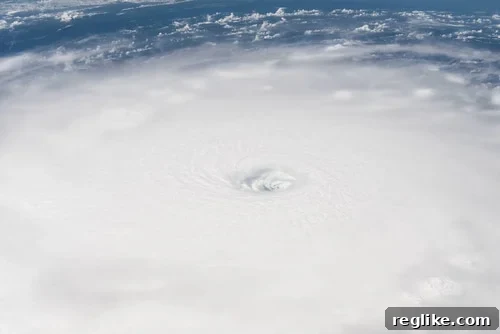
In an increasingly interconnected world, major global events reverberate far beyond their immediate physical impact. They create ripples across various digital landscapes, profoundly influencing everything from social media conversations to search engine queries and, notably, domain name registrations. The recent past has offered compelling evidence of this phenomenon, demonstrating how rapidly the digital real estate market reacts to unfolding crises. Specifically, the word “Irma” surged in popularity within .com domain name registrations, offering a stark illustration of this immediate, crisis-driven demand. This trend underscores a fascinating aspect of the internet: its ability to mirror the real-time concerns, needs, and interests of the global populace.
When Hurricane Irma, a formidable Category 5 storm, threatened and subsequently struck Florida and the Caribbean, the internet became an indispensable hub for information, aid, and communication. In the immediate wake of such a significant natural disaster, individuals, organizations, and news outlets alike quickly moved to secure domain names related to the storm. This rapid proliferation of “Irma”-prefixed or “Irma”-containing domains wasn’t merely a fleeting trend; it reflected an urgent global need for accurate information dissemination, efficient coordination of relief efforts, establishment of community support platforms, and even early speculative ventures by those looking to capitalize on the sudden relevance. This immediate digital scramble propelled “Irma” to become the #1 trending keyword in .com registrations, signifying the largest percentage spike in new registrations compared to the preceding month. This particular trend powerfully illustrated the internet’s role as a vital nervous system, reflecting collective human responses to widespread emergency with remarkable speed and scale.
The impact of natural disasters on the digital landscape isn’t an isolated incident tied solely to Hurricane Irma. The broader term “Disaster” also prominently featured on the list of trending keywords, an undeniable testament to the recent succession of challenging global events. The past couple of months have indeed witnessed their fair share of natural calamities, ranging from devastating hurricanes and earthquakes to widespread wildfires and other significant public emergencies. Each of these events, to varying degrees, triggered a similar surge in related domain registrations. This phenomenon highlights a consistent pattern: when communities and regions face immense challenges, the internet transforms into an indispensable tool for crisis communication, information sharing, fundraising, volunteer coordination, and offering solace and support. Organizations dedicated to disaster relief, local government bodies, international aid groups, news agencies, and even concerned citizens swiftly register relevant domains to establish credible online presences, share critical updates, mobilize resources, and engage with affected populations. This rapid digital response is a modern hallmark of effective crisis management and compassionate public engagement, emphasizing the internet’s role as a first responder in the information age.
Understanding these trending keywords provides invaluable insights into the collective consciousness and immediate priorities of internet users and domain registrants. These aren’t just arbitrary lists; they are digital fingerprints of societal interest, global events, and burgeoning trends. Tracking these shifts, often compiled and analyzed by leading domain name registries like Verisign (the operator of the .com and .net top-level domains), offers a unique pulse on the digital world. The data reveals what concepts, events, and even nascent ideas are capturing widespread attention, prompting a flurry of new online identities and digital ventures. Such trends are a powerful indicator of what’s currently occupying the public mind, driving search queries, and shaping online discussions. Here’s a deeper look into the complete list of the top ten trending keywords in .com domain names during that insightful period, shedding light on diverse areas of public interest:
- Irma: As extensively discussed, this keyword soared due to the direct impact and widespread attention on Hurricane Irma. Registrations were driven by an urgent need for news updates, aid coordination platforms, community forums for affected individuals, and personal narratives related to the storm’s devastation and subsequent recovery efforts. It perfectly epitomized the immediate, localized yet globally resonant, digital reaction to a major natural catastrophe.
- Pic: A perennial favorite and a testament to the visual nature of the internet, “Pic” (short for “picture”) often trends as people seek to share or consume visual content. This could encompass anything from personal photo galleries, event photography, stock imagery, or in the context of recent events, a surge in photojournalism related to the aforementioned disasters, as visual documentation becomes crucial for understanding and reporting on crises. The ease of photo sharing platforms and the human inclination towards visual storytelling ensure “Pic” remains a highly relevant term across many contexts.
- Lean: This keyword is remarkably versatile, reflecting various ongoing trends across different sectors. It could relate to “lean manufacturing” or “lean startup” methodologies in the business and tech sectors, emphasizing efficiency, optimization, and minimal waste in processes. Alternatively, it might pertain to health and fitness trends, advocating for a “lean” physique, diet, or lifestyle. Its appearance suggests a strong underlying interest in optimization, either personal, professional, or perhaps even in resource management during challenging times.
- Jerseys: This term almost certainly points to the enduring popularity of sports, fan culture, and merchandise. New seasons for major sports leagues, significant team changes, high-profile player transfers, or major sporting events (like playoffs or championships) can trigger spikes in registrations for domains related to fan gear, sports memorabilia, and e-commerce platforms selling authentic or replica jerseys. It signifies a robust and consistent consumer interest in athletic apparel and the passionate world of sports fandom.
- Prices: In any economy, the topic of “Prices” is consistently relevant and often a major driver of public interest. This trend could indicate a heightened public concern or interest in consumer goods pricing, comparative shopping, economic news related to inflation or market fluctuations, or even discussions around sales, discounts, and affordability. For businesses, monitoring “prices”-related domains can offer insights into competitive landscapes, consumer behavior, and market sentiment, especially during periods of economic uncertainty or major retail events.
- Parks: This keyword suggests a growing interest in outdoor recreation, environmental conservation, tourism, or even discussions around urban planning and real estate developments. It could encompass national parks, local community parks, theme parks, or efforts related to urban green spaces and ecological preservation. The trend reflects a broad desire for connection with nature, leisure activities, outdoor experiences, or community planning initiatives, perhaps intensified after periods of confinement or stress.
- Disaster: Complementing the specific keyword “Irma,” the generic term “Disaster” underscores the collective public engagement with various crises globally. Domains registered under this keyword would likely include resources for general disaster preparedness, platforms for multiple relief organizations, news portals reporting on a spectrum of incidents, or community resilience initiatives, confirming a heightened state of awareness and responsiveness to global challenges beyond a single event.
- Aspen: Often associated with the upscale ski resort in Colorado, “Aspen” likely indicates trending interest in luxury travel, winter sports, high-end real estate, or perhaps a specific brand or cultural reference bearing the name. It could also represent a broader fascination with exclusive destinations or aspirational lifestyle content, potentially reflecting seasonal travel planning or interest in premium experiences.
- Porter: This versatile term could have multiple interpretations, reflecting a diverse range of interests. It might refer to a profession (e.g., airport porters, hotel porters, railway porters), a specific brand name (e.g., Porter Cable tools, Porter beer), or even the concept of “porterage” in logistics and travel. Its presence suggests varied commercial or informational applications, from service industries to specific product lines, capturing diverse public or commercial interests.
- Drain: While seemingly mundane, “Drain” can carry significant practical and metaphorical implications. It might relate to home improvement and plumbing services, environmental concerns like drainage systems and water management, or even metaphorical uses in business and finance (e.g., “brain drain,” “financial drain” on resources). Its trending status could reflect practical consumer needs, home maintenance interests, or broader ecological and economic discussions, depending on context.
The immediate and visible correlation between significant real-world events and domain name registration trends is a powerful indicator of the internet’s dynamic nature and its integral role in modern society. Whether driven by urgent information needs during a crisis, a surge in consumer interest for a specific product, or an evolving cultural phenomenon, the act of registering a domain name is often the first step in establishing an online presence that mirrors these real-world shifts. It signifies intent, urgency, and the desire to connect, inform, or capitalize on emerging opportunities in the digital sphere.
For businesses, non-profits, and individuals alike, understanding and monitoring these trends is more than just an academic exercise; it’s a strategic imperative. Keeping a pulse on what keywords are gaining traction can offer invaluable insights for branding strategies, targeted marketing campaigns, proactive crisis communication plans, and even for identifying potential new markets or emerging societal concerns. Proactive domain registration, especially for terms related to brand protection or anticipated events, can safeguard digital assets, ensure timely information dissemination, and enable an organization to engage effectively and responsibly online when it matters most.
As we move forward, the question remains: what will be trending in the digital realm next month, and in the months to come? The answer lies in the unfolding narrative of global events, human innovation, and collective interests. Predicting the next top keywords requires a keen awareness of current affairs, technological advancements, and shifting cultural landscapes. One thing is certain: the digital tapestry of the internet will continue to evolve, woven intricately with the threads of our shared human experience, reflecting every major event, every fleeting passion, and every enduring necessity. The domain name registration data will continue to serve as a fascinating, real-time barometer of this ever-changing digital pulse, offering a unique window into the collective mind of the online world.