
G.me Domain Acquisition: A Strategic Move by a Brand Protection Giant
In the dynamic world of digital real estate, domain name transactions often signal significant strategic shifts for major corporations. Recently, a notable change in the WHOIS record for the domain name G.me has sent ripples through the industry, pointing towards a high-profile acquisition. The domain’s registration has officially shifted to DNStination Inc., a well-known proxy service primarily utilized by the leading brand protection firm, Mark Monitor.
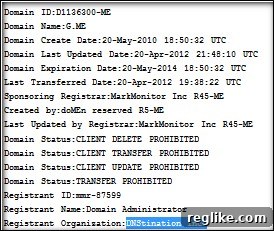
This alteration, while showing an effective date of April 20, was prominently flagged and triggered on monitoring platforms like DomainTools just yesterday, indicating its recent public disclosure and the finalization of the change. Prior to this pivotal update, G.me had been categorized as a registry-reserved domain name, meaning it was held by the .me registry itself and not available for general registration. Its transition from this reserved status to an active registration under a brand protection proxy underscores the considerable interest it must have garnered.
The Mark Monitor Connection: A Strong Indicator of Google’s Involvement
While no official announcement has been made regarding the new owner of G.me, the involvement of Mark Monitor through its proxy service DNStination Inc. provides a compelling clue. Mark Monitor is a global leader in enterprise brand protection, offering services that span domain management, anti-counterfeiting, and digital risk management for many of the world’s largest and most valuable brands. Critically, Google is a long-standing and significant client of Mark Monitor, entrusting them with the registration and management of a substantial portion of its vast domain portfolio.
This established relationship is a strong indicator. Although nothing is ever definitive until confirmed by the parties involved, there is a very high probability that Google is the new custodian of the G.me domain. Google consistently leverages Mark Monitor’s expertise to safeguard its digital assets, manage its extensive brand presence online, and ensure the security of its intellectual property across various top-level domains. The choice of Mark Monitor by Google is not merely for convenience; it reflects a strategic partnership designed to navigate the complexities of global domain management and brand defense.
Why Mark Monitor’s Role Implies Google’s Awareness (At Minimum)
Mark Monitor operates with a stringent code of conduct to avoid conflicts of interest among its diverse clientele. Given its stature and the sensitive nature of brand protection, it is highly improbable that Mark Monitor would facilitate a domain acquisition for a client without ensuring all necessary protocols are followed, especially concerning other major clients. This principle suggests that, at the very least, if Google itself isn’t the direct acquirer, it would certainly have been made aware of any significant transaction involving a domain as potentially relevant as G.me, particularly if another major entity within their client base were involved. This internal due diligence process within Mark Monitor further strengthens the hypothesis that Google is the driving force behind this acquisition, or at least provided its explicit consent or knowledge.
The Strategic Value of G.me: Potential Uses for Google
The .me top-level domain (TLD) is particularly appealing for personalized services and individual branding due to its inherent meaning. A domain like G.me offers immense potential, especially for a technology giant like Google, which constantly innovates and expands its user-centric services. The “G” could obviously stand for Google, creating a concise and memorable URL for a variety of applications. Consider these possibilities:
- Personalized Google Services: G.me could be a direct portal for a revamped “Google Me” experience, offering users a central hub for their personalized data, settings, and integrated Google services (Gmail, Calendar, Photos, Drive).
- Google Meet Expansion: With the rise of remote communication, G.me could serve as an incredibly short and easy-to-remember link for Google Meet sessions, potentially competing with other popular meeting platforms by offering a streamlined URL.
- Google Plus Revival or Evolution: While Google Plus as a social network has been retired, the “G+Me” concept, as evidenced by the existing Google Chrome extension, suggests an enduring idea around personal profiles and connections within the Google ecosystem. G.me could be a new iteration or a landing page for such an initiative.
- Shortened URL Service: Google already offers URL shortening services. G.me could be integrated as a premium, memorable short domain for specific Google products or campaigns.
- Experimental Projects: Google is known for its “moonshot” projects and experimental divisions. G.me could be allocated to an upcoming project that requires a concise, personal, and impactful domain name.
The brevity and evocative nature of “G.me” make it a prime candidate for a global brand looking to create an impactful and easily recallable online presence for a new or existing service.
The Phenomenon of Premium Domain Acquisitions
The acquisition of a premium domain like G.me highlights a broader trend in the digital landscape: the increasing value placed on short, memorable, and brandable domain names. In an internet saturated with content and countless websites, a distinct and easy-to-type domain name is a significant asset. For a company like Google, investing in such a domain is not just about ownership; it’s about securing a piece of digital real estate that can enhance brand recognition, improve user recall, and simplify marketing efforts.
Premium domains often command high prices due to their inherent advantages:
- Memorability: Easy to remember, reducing the chances of users forgetting the address.
- Brand Authority: Conveys a sense of professionalism and established presence.
- Marketing Advantage: Easier to integrate into advertising campaigns and verbal communication.
- Typo Reduction: Shorter domains reduce the likelihood of typing errors.
For Google, a company whose brand is synonymous with the internet itself, owning a domain like G.me is a strategic move to future-proof its brand portfolio and potentially launch groundbreaking new services with a distinct digital address.
Beyond Registration: Mark Monitor’s Comprehensive Brand Protection
It’s important to understand that Mark Monitor’s role extends far beyond merely registering domain names. Their comprehensive suite of services is designed to protect a brand’s entire digital footprint. This includes:
- Domain Name Management: Registering, renewing, and protecting domain names across hundreds of TLDs. This often involves strategic acquisitions and ensuring proper security measures like DNSSEC.
- Anti-Counterfeiting and Piracy: Actively monitoring online marketplaces and websites for counterfeit goods and pirated content, enforcing intellectual property rights.
- Brand Abuse Monitoring: Tracking mentions of a brand across social media, forums, and dark web channels to identify potential threats, defamation, or misuse.
- Phishing and Malware Protection: Detecting and mitigating phishing attempts and malicious websites that attempt to impersonate a brand to deceive consumers.
- Digital Asset Management: Centralized management of trademarks, copyrights, and other digital intellectual property.
When Google employs Mark Monitor, it’s not just for a single domain registration; it’s for a holistic approach to safeguarding its immense digital empire. The acquisition of G.me under this umbrella signifies a deliberate and calculated move within a broader strategy of digital brand protection and expansion.
Conclusion: Anticipating Google’s Next Move with G.me
The shift of the G.me domain to a Mark Monitor proxy is more than just a routine administrative update; it’s a strong signal of intent from a major player. All indicators, from Google’s established relationship with Mark Monitor to the inherent value and potential applications of the G.me domain, point towards Google being the likely new owner. As the digital landscape continues to evolve, companies are increasingly recognizing the critical importance of owning premium, brandable domain names as foundational assets for their online presence and future innovations.
While the exact plans for G.me remain under wraps, the domain’s transition from a registry-reserved status into the hands of a brand protection powerhouse serving Google creates considerable anticipation. The tech world will undoubtedly be watching closely to see how Google chooses to leverage this valuable new piece of digital real estate in its ongoing quest to connect, inform, and innovate for users worldwide. Whether it’s for a new product, a personalized service hub, or an enhanced communication tool, G.me is poised to play a role in Google’s future endeavors.