
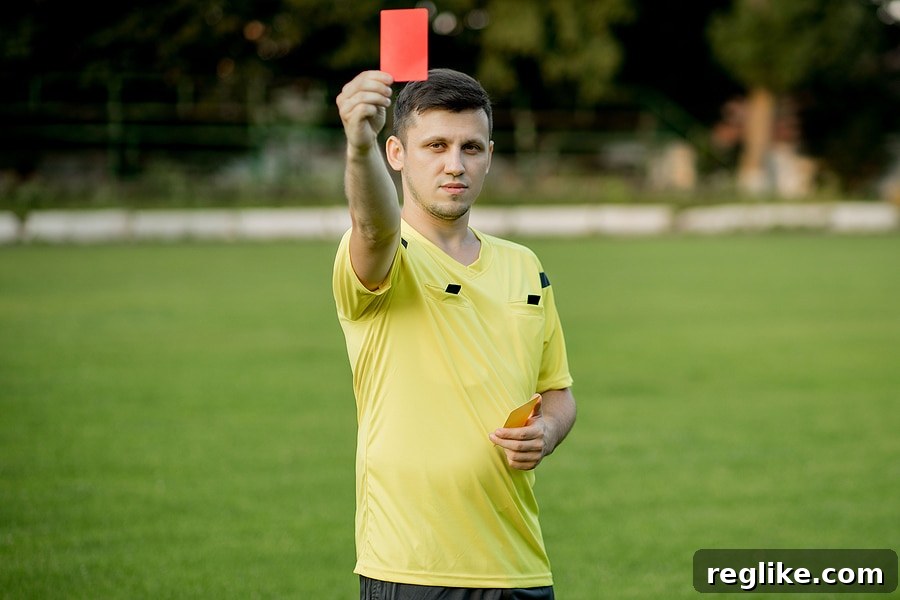
Issaquah, Washington Youth Soccer Club Faces ‘Red Card’ in High-Stakes Domain Name Dispute
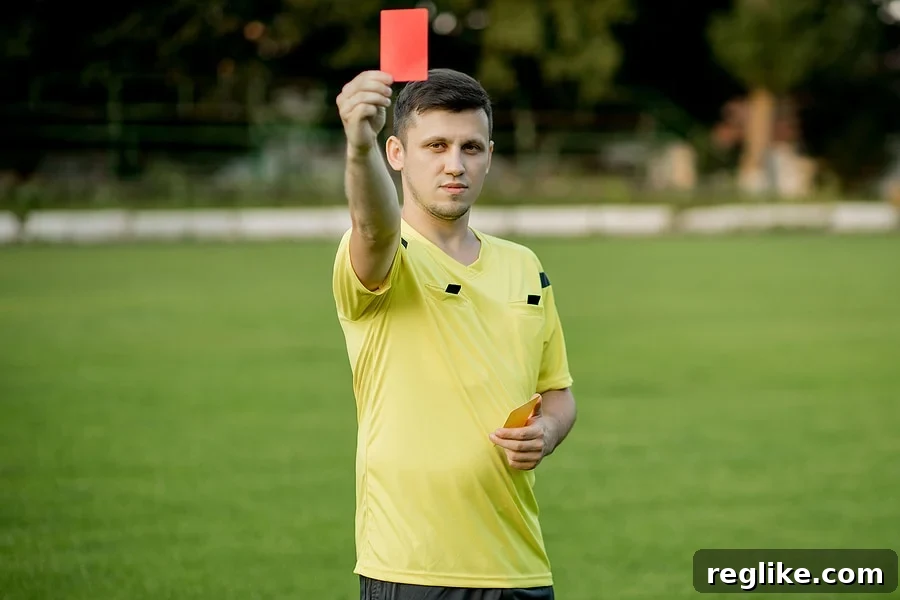
Issaquah Youth Soccer Club Draws a Red Card in Contentious Domain Dispute
The vibrant world of youth soccer, often characterized by fierce competition and passionate rivalries on the field, sometimes sees its battles spill over into unexpected arenas. In a recent case echoing the intensity of a championship match, two youth soccer organizations from Issaquah, Washington, found themselves engaged in a heated off-field contest—a significant domain name dispute that ultimately resulted in a ‘red card’ for one of the competitors.
This particular clash unfolded not on a grassy pitch, but within the digital realm, specifically concerning the coveted .com domain for “Issaquah FC.” The outcome serves as a crucial reminder for organizations, especially in the competitive landscape of youth sports, about the intricacies of online branding, digital identity, and the legal framework governing domain names.
The Players and Their Digital Identities
At the heart of this dispute were two distinct, yet similarly named, entities operating within the Issaquah youth soccer scene, a bustling suburb located just east of Seattle:
- Issaquah FC (The Complainant): This organization initiated the legal action, operating under the domain name IssaquahFC.org. They sought to claim ownership of the IssaquahFC.com domain.
- Issaquah Soccer Club (The Respondent): This club was the current registrant of IssaquahFC.com, with the domain name registered under the name of Paul Dolan, who stated he acted as a representative for Issaquah Soccer Club. Significantly, the .com domain currently directs visitors to ISCgunners.org, which is clearly affiliated with Issaquah Soccer Club.
For those unfamiliar with soccer terminology, “FC” stands for “Football Club,” a common designation in European and international soccer, essentially meaning “Soccer Club” in American English. The similarity in nomenclature—Issaquah FC and Issaquah Soccer Club—is a key element in understanding the origins of this contentious battle.
Prior to filing a formal complaint, Issaquah FC reportedly made several attempts to secure the IssaquahFC.com domain from Issaquah Soccer Club. However, these informal efforts proved fruitless, as the board of Issaquah Soccer Club consistently refused to approve the transfer, setting the stage for a more formal and adversarial confrontation.
The Heart of the Matter: Allegations of Cybersquatting
Issaquah FC escalated the dispute by filing a complaint under the Uniform Domain-Name Dispute-Resolution Policy (UDRP) with the National Arbitration Forum. The core of their argument was an allegation of “cybersquatting.” Cybersquatting, in essence, involves the registration, trafficking in, or use of a domain name with the bad-faith intent to profit from the goodwill of a trademark belonging to someone else.
To succeed in a UDRP complaint, a complainant typically needs to demonstrate three key elements:
- The domain name is identical or confusingly similar to a trademark or service mark in which the complainant has rights.
- The registrant (respondent) has no rights or legitimate interests in respect of the domain name.
- The domain name has been registered AND is being used in bad faith.
Issaquah FC’s complaint aimed to prove that Issaquah Soccer Club, through its representative Paul Dolan, had registered IssaquahFC.com in bad faith, intending to capitalize on or disrupt the Complainant’s brand identity. However, as the arbitration proceedings would reveal, the timeline of events played a pivotal role in unraveling this claim.
A Deeper Look at the Bitter Rivalry: More Than Just a Domain
The domain dispute between Issaquah FC and Issaquah Soccer Club was not an isolated incident but rather a symptom of deeper, long-standing tensions and rivalries within the Issaquah youth soccer community. This underlying animosity was vividly captured in a statement from a website affiliated with the Complainant, the Eastside Youth Soccer Association (EYSA):
About five years ago, the ISC Gunners club took the unprecedented step of unilaterally ignoring the terms of their Washington Youth Soccer and EYSA charter. The choice to start their own “Premier” club, and actively compete with EYSA’s Premier/RCL club (Eastside FC), was the start of a pattern of independent actions, which continued up to the April 1 ISC Gunner withdrawal from EYSA. Over the course of these 5+ years the ISC Gunners leadership unilaterally made decisions without consulting the other EYSA clubs and without any concern for how it might affect the other member clubs of EYSA. Beyond the confusion and the tension it created with all EYSA clubs (and especially Eastside FC), the choices also adversely impacted the competitive leagues in which the other EYSA clubs played.
This powerful excerpt paints a clear picture of significant historical conflict. It highlights Issaquah Soccer Club (via ISC Gunners) making independent decisions, allegedly disregarding charter agreements, and actively competing against other established clubs within the EYSA framework, including Eastside FC. Such actions undoubtedly fostered an environment of “bad blood,” creating confusion, tension, and potentially impacting competitive league structures. It’s plausible that this deeply rooted organizational conflict provided the impetus for Issaquah FC’s aggressive pursuit of the IssaquahFC.com domain, seeing it as an extension of their ongoing rivalry.
The UDRP Panel’s Verdict: A Red Card for the Complainant
Despite the compelling narrative of organizational rivalry and the Complainant’s attempts to secure the domain, the UDRP panelist, Alan L. Limbury, delivered a decisive ruling that went against Issaquah FC. The core reason for this outcome hinged on a fundamental principle of UDRP: the requirement for “bad faith registration.”
According to the official case decision, it was established that Paul Dolan, acting for Issaquah Soccer Club, registered the IssaquahFC.com domain before the Complainant, Issaquah FC, legally came into existence as an organization. This chronological fact proved to be the ultimate undoing of Issaquah FC’s case.
Under UDRP policy, for a domain name to be considered “registered in bad faith,” the registrant must have known of the complainant’s trademark rights at the time of registration and intended to exploit them. If the complainant didn’t exist, or their trademark rights weren’t established at the time of registration, it becomes impossible to prove bad faith registration. In this instance, Dolan could not have possibly registered the domain with the intent to exploit Issaquah FC’s non-existent trademark at that earlier time.
The Consequence: Reverse Domain Name Hijacking (RDNH)
Based on the clear evidence that Issaquah FC’s complaint lacked merit regarding the crucial “bad faith registration” element, Panelist Limbury found that Issaquah FC had filed the case in bad faith itself. This finding led to the declaration of “Reverse Domain Name Hijacking” (RDNH).
Reverse Domain Name Hijacking occurs when a complainant attempts to use the UDRP process unfairly to acquire a domain name from a legitimate registrant. It’s essentially the panel’s “red card” against a complainant for abusing the UDRP system. The panel found that Issaquah FC knew or should have known that they could not succeed on the merits of their case, particularly concerning the registration date, yet proceeded with the complaint anyway.
Other Factors Tipping the Scales
While the timing of registration was the primary decisive factor, other elements also weighed in favor of the Respondent, Issaquah Soccer Club:
- Descriptive Nature of the Domain: The phrase “Issaquah FC” or “Issaquah Soccer Club” is highly descriptive, referring to a soccer club in the specific geographic location of Issaquah. Such descriptive terms are generally harder to claim as unique trademarks, especially when two similar organizations exist.
- Respondent’s Official Name: The Respondent’s organization officially carried the name “Issaquah Soccer Club,” lending further credence to their legitimate interest in a domain that is essentially a variant of their own name.
Lessons Learned for Sports Organizations and Digital Strategy
The Issaquah youth soccer domain dispute offers several critical takeaways for sports clubs, non-profits, and businesses alike, particularly regarding their digital presence and branding strategy:
- The Critical Importance of Timing in UDRP: The Issaquah case starkly illustrates that the date of domain registration relative to the establishment of trademark rights (or the complainant’s existence) is paramount. Organizations must ensure they have established rights *before* a disputed domain was registered to successfully prove bad faith.
- Avoiding Reverse Domain Name Hijacking (RDNH): Filing a UDRP complaint without a strong legal basis, especially when faced with clear evidence to the contrary (like an earlier registration date), carries the risk of an RDNH finding. This not only results in a loss but can also damage the complainant’s reputation.
- Proactive Domain Name Management: This case underscores the need for organizations to secure all relevant domain names (e.g., .com, .org, .net, and relevant country code TLDs) as early as possible, especially those that align with their brand and official name. Waiting can lead to costly and time-consuming disputes.
- Navigating Organizational Politics: While the UDRP is a legal process for domain disputes, underlying historical rivalries and organizational politics often fuel these battles. Understanding the broader context of such disputes can shed light on why parties pursue claims so vigorously, even when legal grounds are weak.
- The Value of .com: The .com domain remains highly sought after due to its perceived authority and ease of recall. While .org is suitable for non-profits, the desire to own the corresponding .com often leads to conflicts when multiple entities share similar names.
In this particular instance, Issaquah FC’s Executive Director, Kelly Galloway, represented the Complainant. The Respondent, Issaquah Soccer Club, was represented by legal counsel from Perkins Coie LLP, a testament to the seriousness and complexity of modern domain name disputes.
Conclusion: A Clear Victory in the Digital Arena
Ultimately, the National Arbitration Forum panel delivered a decisive ‘red card’ to Issaquah FC, ruling in favor of Issaquah Soccer Club and its legitimate claim to IssaquahFC.com. The decision serves as a powerful cautionary tale: while passion and rivalry are inherent to youth sports, legal battles over digital assets require a clear understanding of domain name law and a strong, fact-based case. In the high-stakes game of online branding, the timing of registration and the demonstration of genuine bad faith are non-negotiable elements for a successful challenge.
For youth sports organizations across the nation, the Issaquah dispute highlights that protecting one’s digital identity is just as crucial as building a strong team on the field. Proactive measures and sound legal strategy are key to avoiding costly and reputation-damaging ‘red cards’ in the evolving digital landscape.