
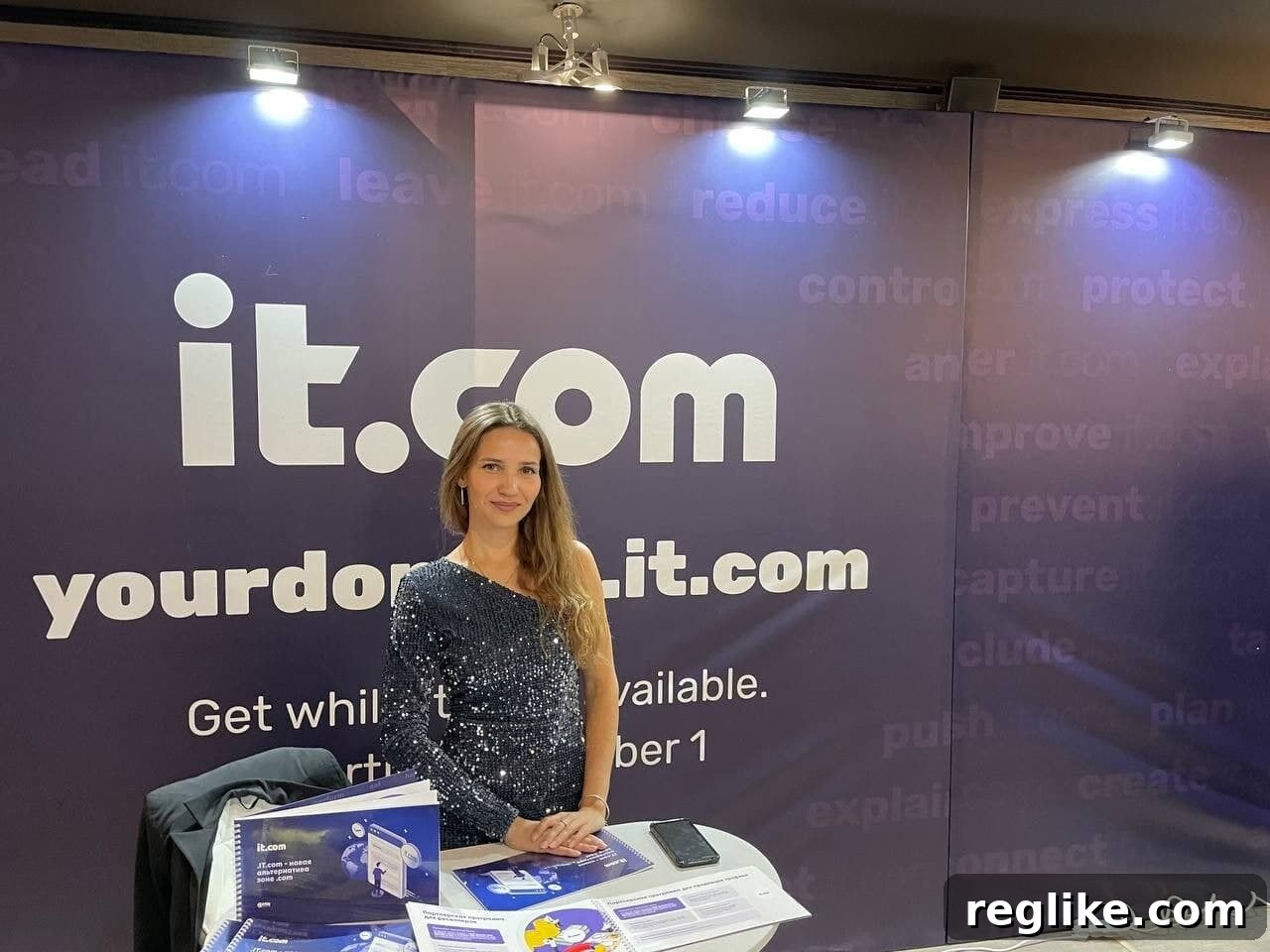
IT.com: A Familiar Business Model Reimagined in the Digital Age
The digital landscape is constantly evolving, yet some business models, like persistent echoes, resurface with new iterations. The recent acquisition of IT.com for a significant $3.5 million by Intis Telecom has brought one such model back into the spotlight. This venture, focusing on offering subdomains, bears a striking resemblance to strategies employed by domain industry veterans in the past, prompting both intrigue and a re-evaluation of its long-term viability in today’s dynamic online environment.
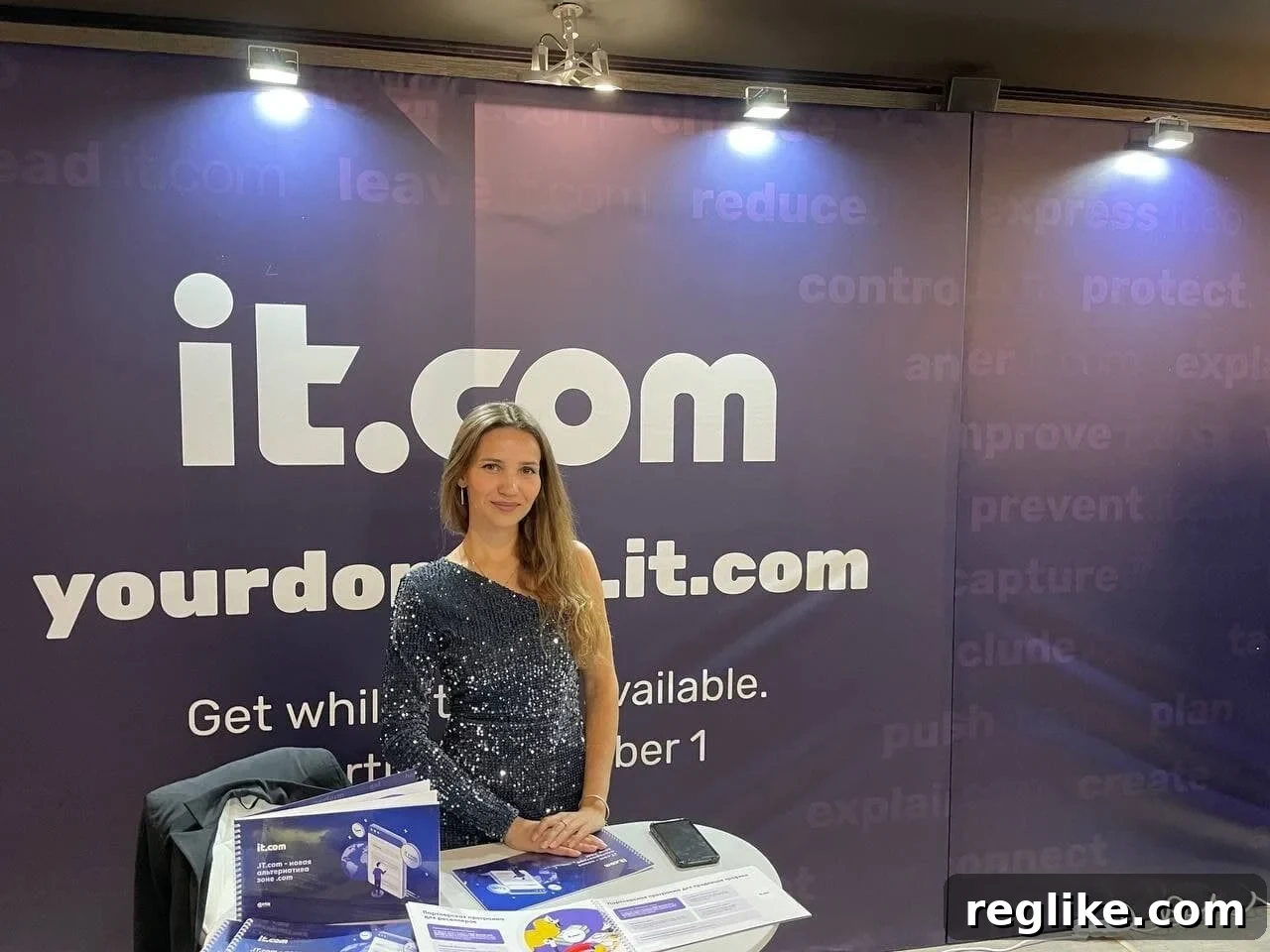
The Strategic Acquisition of a Premium Digital Asset: IT.com
The cornerstone of this renewed business model is the acquisition of a powerful, category-defining domain: IT.com. This domain immediately conveys authority, relevance, and global recognition in the technology sector, making it an invaluable digital asset. Intis Telecom, primarily known for its SMS marketing solutions, has made a bold strategic move, diversifying its portfolio with a significant investment that signals ambitious plans beyond its traditional offerings.
Intis Telecom’s Diversification Strategy
For a company rooted in SMS marketing, entering the premium domain and subdomain market is a significant pivot. This move indicates Intis Telecom’s intention to leverage a widely recognized domain to create a new revenue stream and establish a stronger foothold in the broader internet services industry. The universal appeal of “IT” as an abbreviation for Information Technology provides a robust foundation for a global service, attracting individuals and businesses looking for memorable and relevant online identities.
The $3.5 Million Investment and Its Implications
The acquisition price of $3.5 million for IT.com is substantial, reflecting the domain’s premium status and the strategic value Intis Telecom places on it. The payment structure—$1.5 million upfront and the remainder spread over three years—suggests a well-thought-out financial plan designed to integrate this major asset smoothly into their operations. James Booth, a respected figure in the domain industry, represented the seller, further validating the significance of this transaction. This investment isn’t just about owning a domain; it’s about investing in a platform that could potentially host countless digital identities.
Unpacking the Subdomain Business Model
The core of Intis Telecom’s strategy revolves around offering subdomains under the IT.com umbrella. Instead of selling entire domain names, they are providing third parties with addresses like example.it.com. This model capitalizes on the strength and memorability of the parent domain, offering a simplified and often more affordable entry point for users seeking a unique online presence.
The Value Proposition: Simplicity and Brandability
For many individuals, startups, or niche projects, acquiring a highly relevant and short domain name can be prohibitively expensive or simply unavailable. Subdomains like explore.it.com or remember.it.com offer an attractive alternative. They provide instant credibility and a clear association with the “IT” sector, making them ideal for tech-related blogs, portfolios, services, or events. The emphasis on action words like “explore” and “remember” adds a layer of brandability and memorability, making these addresses not just functional but also engaging. This approach democratizes access to premium-sounding web addresses, allowing users to build a distinct brand identity without the overhead of purchasing a top-level domain.
Creative Subdomains: Beyond the Ordinary
The potential for creative and descriptive subdomains is vast. A developer could use code.it.com, a cybersecurity expert could opt for secure.it.com, or an AI startup could choose ai.it.com. This flexibility allows for highly specific branding, which can be beneficial for search engine optimization (SEO) and user recall. The uniqueness of these addresses also helps in carving out a niche in a crowded online space, making it easier for target audiences to find and remember a particular service or project.
A Broader Domain Portfolio: The “IT” Strategy
Intis Telecom’s investment isn’t limited to just IT.com. Over the past ten months, the company has strategically acquired ten other ‘it’ domains across various extensions. This multi-pronged approach demonstrates a deeper commitment to building a comprehensive “IT” domain ecosystem.
Expanding the Digital Footprint with Diverse Extensions
While IT.com is undoubtedly the crown jewel, acquiring other country code Top-Level Domains (ccTLDs) and generic Top-Level Domains (gTLDs) containing “it” allows Intis Telecom to broaden its market reach and protect its brand. Domains like it.kz (Kazakhstan’s ccTLD) and it.co.uk (United Kingdom’s ccTLD) cater to specific geographical markets, enabling localized services or protection against cybersquatting. This diversification mitigates risk and strengthens the overall “IT” brand presence across the globe. The company paid $25,000 for it.kz, which was their most expensive acquisition that year, but last year they paid a significant $235,000 for it.co.uk, indicating a consistent strategy of investing in high-value, “IT”-centric domains.
The Global Reach and Recognition of “IT”
The term “IT” transcends linguistic barriers, serving as a globally recognized abbreviation for information technology. This inherent universality is a significant advantage for Intis Telecom’s strategy. By owning a portfolio of “IT” domains, they are positioning themselves as a central hub for tech-related online identities worldwide. This strategic foresight could allow them to tap into diverse markets and user bases, from emerging tech hubs to established innovation centers.
Echoes of the Past: The CentralNic Precedent
The business model of selling subdomains under a strong second-level domain is not entirely new. It evokes memories of CentralNic’s approach many years ago, particularly with domains like example.us.com. Understanding CentralNic’s journey offers valuable historical context and highlights potential challenges for Intis Telecom.
CentralNic’s Pioneering, Yet Problematic, Approach
CentralNic was a pioneer in offering domains that mimicked country codes or generic terms, providing subdomains under them. While initially successful, this model faced inherent difficulties. One major issue was the perception of these domains. While useful for short-term projects or those needing a quick online presence, they often lacked the authority and permanence associated with direct TLDs. Furthermore, the domain landscape was far less crowded then; users had fewer choices, making CentralNic’s offerings more appealing. Today, with hundreds of new gTLDs available, users have an abundance of options, making the value proposition of a subdomain more challenging to justify for long-term, critical online identities.
Lessons from History: Trust and Longevity
Perhaps the most significant lesson from CentralNic’s experience is the importance of trust and longevity. CentralNic notably decided to discontinue services for a number of its second-level domains, leaving many subdomain users in a difficult position. This event underscored the inherent risk for users who build their online presence on a domain they do not fully own or control. The lack of recourse and the unilateral power of the second-level domain owner pose a fundamental challenge that Intis Telecom will need to address to build lasting user confidence.
The Critical Question of Regulation and User Trust
One of the most pressing concerns for users considering subdomains under IT.com is the regulatory framework, or rather, the lack thereof. Unlike traditional domain names governed by ICANN (Internet Corporation for Assigned Names and Numbers), subdomains operate outside this oversight, creating unique risks and considerations.
The ICANN Gap: What it Means for Subdomain Users
ICANN provides a global framework for domain name management, including policies for registration, transfer, dispute resolution, and renewal. This structure offers a level of stability and protection for domain registrants. Subdomains, however, are essentially extensions of the second-level domain (IT.com in this case) and are entirely at the discretion of the owner, Intis Telecom. There are no standardized rules for transfers, renewals, or dispute resolution comparable to those for TLDs. This means that if Intis Telecom decides to change its policies, increase prices dramatically, or even cease offering the service, subdomain users may have limited or no recourse. This lack of independent oversight can be a significant barrier for businesses and individuals seeking a permanent and secure online identity.
Navigating Risk in a Non-Regulated Landscape
For potential users of IT.com subdomains, understanding and mitigating these risks is crucial. While the initial appeal of a memorable and affordable address is strong, the long-term implications must be carefully weighed. Users must place implicit trust in Intis Telecom’s commitment to maintain and support the service indefinitely. Building a critical business or personal brand on a platform that is not governed by an independent regulatory body requires careful due diligence and a clear understanding of the terms of service provided by Intis Telecom. The company will need to establish robust and transparent policies to alleviate these concerns and foster long-term trust among its users.
Modern Domain Landscape: Opportunities and Challenges
The domain market has transformed dramatically since CentralNic’s heyday. The proliferation of new gTLDs, the increasing sophistication of digital marketing, and evolving user expectations present both new opportunities and significant challenges for a subdomain-based business model.
SEO and Branding Considerations for Subdomains
From an SEO perspective, subdomains can be treated by search engines as separate entities or closely related to the parent domain, depending on various factors. While blog.example.com often benefits from the authority of example.com, a completely distinct service like explore.it.com might need to build its own domain authority. Intis Telecom will need to educate its users on best practices for SEO with subdomains and potentially offer tools or guidance to help them succeed. For branding, the strength of “IT.com” itself is a major asset, providing instant recognition and a professional veneer to any subdomain.
The Future of Niche Domain Services
Despite the challenges, there is a clear demand for niche, memorable, and affordable online addresses. For specific communities, industries, or short-term projects, services like IT.com could thrive. The key will be for Intis Telecom to differentiate itself, not just by offering a premium name, but by providing exceptional service, clear long-term commitments, and perhaps additional tools or features that add tangible value to its subdomain users. The success of this venture will depend on striking a delicate balance between leveraging the powerful “IT.com” brand and ensuring a secure, transparent, and trustworthy environment for its users.
Conclusion: A Bold Venture in the Digital Frontier
Intis Telecom’s acquisition of IT.com and its subsequent launch of a subdomain business model represents a fascinating and bold venture. It’s a testament to the enduring appeal of premium domain names and the innovative ways companies seek to monetize them. While the model itself carries a historical precedent with inherent challenges, particularly regarding regulation and user trust, the strength of the IT.com brand and the universal relevance of “IT” present significant opportunities. The success of this new chapter will hinge on Intis Telecom’s ability to learn from the past, build a robust and trustworthy service, and adapt to the ever-changing demands of the digital frontier, ultimately shaping how we perceive and utilize subdomains in the years to come.