
James Brown Estate Fights for Digital Legacy: The JamesBrown.com Domain Dispute
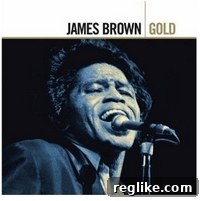 The digital landscape has become an integral part of maintaining a brand, a business, and even the legacy of iconic figures. In a move highlighting the critical importance of online presence, the estate of the late, unparalleled “Godfather of Soul,” James Brown, has officially filed an arbitration case with the National Arbitration Forum. The target of this legal action is the domain name JamesBrown.com, a pivotal digital asset for preserving the legend’s identity and brand.
This dispute underscores a growing trend where the custodians of celebrity estates must actively safeguard their intellectual property in the virtual realm. For an artist of James Brown’s stature, whose influence transcends generations and genres, controlling an official online portal like JamesBrown.com is not merely about ownership; it’s about curating his historical narrative, managing his brand, and preventing unauthorized commercial exploitation.
The Core of the Dispute: Who Controls JamesBrown.com?
The domain name in question, JamesBrown.com, is currently registered to Lac Management, Inc. This entity holds a direct, albeit complex, connection to the late singer’s world: it manages “RJ & The James Brown Band.” This group famously performed alongside James Brown until his passing in December 2006. The immediate connection might suggest a legitimate right to the domain; however, domain name disputes, especially under the Uniform Domain Name Dispute Resolution Policy (UDRP), delve much deeper than mere association.
When approached for comments regarding the ongoing case, Lac Management confirmed that communication had been initiated by the James Brown estate. Significantly, Lac Management reportedly offered to sell the domain name to the estate. Instead of pursuing a purchase, the estate chose to file an arbitration request under the UDRP, a decision that speaks volumes about their confidence in their legal position and their commitment to establishing clear, undisputed ownership.
Understanding the Uniform Domain Name Dispute Resolution Policy (UDRP)
The UDRP is a streamlined, administrative process established by the Internet Corporation for Assigned Names and Numbers (ICANN) to resolve disputes over the registration of domain names. It offers an alternative to lengthy and costly court litigation, specifically targeting instances of “cybersquatting” – the bad-faith registration of domain names that infringe on trademarks. For the James Brown estate to succeed in its claim for JamesBrown.com, it must prove three essential elements to the UDRP panel:
- Identical or Confusingly Similar: The domain name must be identical or confusingly similar to a trademark or service mark in which the complainant (the James Brown estate) has rights. Given James Brown’s global recognition as a personal name and a brand, establishing trademark rights here is likely straightforward.
- No Rights or Legitimate Interests: The registrant (Lac Management, Inc.) must have no rights or legitimate interests in respect of the domain name. This is often the trickiest element. While Lac Management manages a band associated with James Brown, merely performing with an artist typically does not grant legitimate interest in that artist’s personal name domain. Legitimate interests generally include using the domain for a bona fide offering of goods or services, being commonly known by the domain name, or making non-commercial fair use.
- Registered and Used in Bad Faith: The domain name must have been registered and is being used in bad faith. Indicators of bad faith can include registering a domain primarily to sell it to the trademark owner for profit, preventing the trademark owner from reflecting the mark in a corresponding domain name, or intentionally attempting to attract internet users by creating confusion with the complainant’s mark. Lac Management’s alleged offer to sell the domain to the estate could be a significant factor in establishing bad faith.
The National Arbitration Forum (NAF) is one of the approved UDRP dispute resolution providers, handling thousands of such cases annually. Their panels, comprised of legal experts, meticulously review the submissions from both parties before rendering a decision, which typically results in either the transfer of the domain name to the complainant or the denial of the complaint.
The Indomitable Legacy of James Brown and Digital Brand Protection
James Brown was more than just a musician; he was a cultural phenomenon. Known for his electrifying performances, groundbreaking funk rhythms, and indelible influence on pop music, he earned titles like “Mr. Dynamite,” “Soul Brother No. 1,” and, most famously, “The Godfather of Soul.” His extensive discography, iconic image, and enduring impact make his name a powerful brand with significant commercial value. For his estate, managing this brand effectively in the digital age is paramount.
A domain name like JamesBrown.com serves as the primary digital gateway for fans, media, and commercial partners seeking official information, merchandise, music, and biographical content. Without control over this crucial asset, the estate risks brand dilution, fan confusion, and potential revenue loss. It ensures that any official communications, announcements, or historical archiving pertaining to James Brown originate from a verifiable source, free from misinterpretation or unauthorized commercial ventures.
Why Control of JamesBrown.com Matters:
- Official Online Hub: To establish an authoritative online presence for the legacy, music, and official news of James Brown.
- Brand Consistency: To maintain the integrity and consistency of the James Brown brand across all digital platforms.
- Preventing Fan Confusion: To guide fans to legitimate resources and protect them from potentially misleading or unauthorized content.
- Monetization and Licensing: To centralize official merchandise sales, licensing opportunities, and streaming revenue, ensuring proper allocation and control.
- Historical Preservation: To serve as an archival source for his extensive career, discography, and cultural impact.
- Combating Cybersquatting: To actively fight against individuals or entities who register domain names containing famous trademarks with the intent to profit from their fame.
Implications for Celebrity Estates and Brand Management
The JamesBrown.com dispute highlights a broader challenge faced by the estates of deceased celebrities and prominent figures. In an era where a strong online presence is non-negotiable, proactive domain name management and intellectual property protection are critical. Many estates are now implementing comprehensive digital strategies that include not only securing core domain names but also managing social media profiles, digital archives, and streaming rights.
The case serves as a powerful reminder for all brand owners, whether individuals or corporations, to secure their digital identities early and vigorously defend them against unauthorized use. The digital realm is often the first point of contact for consumers and fans, making domain names and online presence indispensable components of a robust brand strategy.
The Road Ahead for JamesBrown.com
The UDRP process is designed for efficiency, and a decision from the National Arbitration Forum panel is expected in the coming weeks or months. The outcome of this case will not only determine the future ownership of JamesBrown.com but will also provide further clarity on the delicate balance between historical association and legitimate domain name rights. For the James Brown estate, securing this domain is a fundamental step in cementing the digital legacy of one of music’s most influential figures, ensuring his impact continues to be celebrated authentically and responsibly for generations to come.
As the “Godfather of Soul” once sang, “I Got You (I Feel Good),” and undoubtedly, controlling the official JamesBrown.com domain would contribute significantly to the estate’s ability to ensure his legacy continues to feel good across the digital universe.