
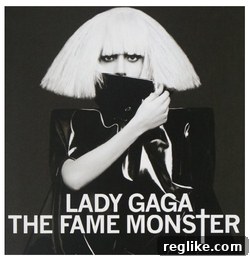
Musician gets LadyGaga.mobi domain name through cybersquatting dispute.
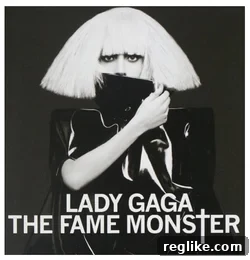
The Unyielding Battle Against Cybersquatting: Lady Gaga Secures Her Digital Identity
The digital landscape is a vast and dynamic realm, constantly evolving, and with it, the challenges of protecting one’s identity and brand. In an age where a strong online presence is paramount for public figures and corporations alike, the unauthorized registration of domain names – a practice known as cybersquatting – remains a persistent threat. While many might assume that only mainstream top-level domains (TLDs) like .com or .org are targeted, a recent case involving the iconic pop superstar Lady Gaga serves as a stark reminder that no corner of the internet is truly safe from those looking to capitalize on established brands. This particular dispute centered on a seemingly niche domain, LadyGaga.mobi, highlighting the broader implications of digital brand defense and the critical need for vigilance in safeguarding intellectual property online.
What is Cybersquatting and Why Does it Matter for Brands and Celebrities?
At its core, cybersquatting is the act of registering, trafficking in, or using a domain name with the bad-faith intent to profit from the goodwill of a trademark belonging to someone else. This illicit practice takes various forms, from registering domain names that are slight misspellings of famous brands (often referred to as typosquatting) to outright claiming well-known names across different TLDs. The motive is almost always financial: either to sell the domain back to the legitimate trademark holder at an inflated price, to divert web traffic to competing or malicious sites, or to create confusion among consumers. For celebrities, politicians, and major corporations, the unauthorized use of their name or brand in a domain can lead to severe reputational damage, financial loss, and a significant loss of control over their online narrative. Cybersquatting undermines trust, misleads the public, and can tarnish years of brand building. Therefore, understanding and actively combating it is essential for any entity with a significant public profile.
The Case of LadyGaga.mobi: A Clear Victory for Intellectual Property Rights
The latest high-profile skirmish in the ongoing war against cybersquatting involved Stefani Germanotta, globally recognized as Lady Gaga. She initiated a formal cybersquatting complaint against Nancy Faralisz, operating under The Michigan Initiative LLC, concerning the domain name LadyGaga.mobi. This specific domain, while perhaps not as prominent as a .com or .net equivalent, still represents a potential point of brand confusion and misuse. Lady Gaga’s vigilance in pursuing this case underscores the comprehensive approach modern celebrities must adopt to safeguard their digital assets across the entire spectrum of domain extensions. Faralisz, the respondent in this dispute, did not present a defense to the allegations, a move that often simplifies the panel’s decision-making process in such cases. The lack of a response can be interpreted as an inability to justify legitimate rights or interests in the domain. Consequently, the panel, referencing the Uniform Domain-Name Dispute-Resolution Policy (UDRP), found in favor of Lady Gaga, mandating the transfer of the domain name to her rightful control. This outcome reinforces the principle that trademark holders possess a fundamental right to their intellectual property, even in seemingly less conventional or currently less trafficked digital spaces.
Unpacking the .mobi Domain: A Relic or a Continued Risk?
To fully appreciate the significance of this particular cybersquatting dispute, it’s worth delving into the history and intended purpose of the .mobi domain name. Introduced in 2005, .mobi was envisioned as a dedicated internet space for websites specifically optimized for mobile devices. In an era predating ubiquitous responsive web design, where websites automatically adapted their layout to various screen sizes, .mobi offered a neat, albeit temporary, solution for businesses to provide a streamlined mobile experience. The idea was simple: if a user navigated to example.mobi, they would instantly access content tailored for their smaller screen and potentially slower mobile internet connection speeds. This concept was innovative for its time, addressing a burgeoning need as mobile internet usage began to surge globally.
However, the rapid evolution of web technologies, particularly the advent and widespread adoption of responsive web design (RWD) and progressive web apps (PWAs), quickly rendered the specific utility of .mobi largely obsolete. RWD allows a single website to seamlessly adapt its layout and content across an infinite range of devices, from desktops to tablets and smartphones, effectively eliminating the need for separate mobile-specific domains. As such, many might question why a global icon like Lady Gaga would still be concerned with a .mobi domain name that appears to have lost its original technological edge. The answer lies not in its current technical relevance, but in its potential for malicious use and persistent brand confusion. Even a dormant or technologically dated domain can be weaponized against a brand, making its unauthorized ownership a tangible threat.
The Enduring Threat: Why Brands Protect Even “Obsolete” TLDs in the Digital Age
The Lady Gaga case is not an isolated incident but a microcosm of a larger, ongoing challenge faced by celebrities and global brands. The individual who registered LadyGaga.mobi, Nancy Faralisz, also reportedly held other celebrity-related .mobi domains, including PamelaAnderson.mobi, EltonJohn.mobi, RollingStones.mobi, and RachaelRay.mobi. This pattern of registration, targeting multiple famous personalities across the same niche TLD, strongly suggests a deliberate and organized attempt to accumulate domains associated with well-known trademarks, a classic indicator of cybersquatting intent. Even if a .mobi domain no longer offers a distinct technical advantage or receives significant organic traffic, its existence under an unauthorized registrant poses several significant and enduring risks:
- Brand Dilution and Consumer Confusion: An unauthorized .mobi site, even if poorly designed or completely inactive, can confuse fans or customers. They might mistakenly believe it’s an official channel, potentially exposing them to misinformation, scams, or inappropriate content that damages the legitimate brand’s image. This erosion of brand clarity can be insidious.
- Reputational Damage and Misinformation: Imagine a cybersquatted .mobi domain hosting content that is antithetical to the celebrity’s image or brand values, such as political propaganda, hate speech, or adult content. This could severely damage their reputation, public perception, and commercial viability, requiring extensive public relations efforts to mitigate.
- Future Monetization and Digital Ransom: While the .mobi TLD isn’t as popular as others, it’s still a recognized extension. A cybersquatter might register and hold onto it with the hope that the brand owner will eventually be compelled to pay a hefty sum to retrieve it. This practice of “digital ransom” is a primary motivation for many cybersquatters, who see domain names as speculative assets.
- Preventing Misdirection and Control: Even if a domain is not actively used, its mere existence can prevent the legitimate brand from using it for future campaigns, even if those campaigns are niche, experimental, or specific to a particular marketing strategy. Owning all relevant domain extensions ensures comprehensive control over potential digital touchpoints.
- Comprehensive Brand Defense: For major brands and celebrities, intellectual property protection must be holistic and all-encompassing. Ignoring one TLD, however minor or technologically outdated it may seem, creates a vulnerability that can be exploited. Proactive monitoring and consistent enforcement across all relevant TLDs are critical components of a robust, future-proof brand defense strategy.
- Phishing and Security Risks: A cybersquatted domain, even a less prominent one, could potentially be used for phishing attacks, where users are tricked into revealing personal information, or to host malware. This poses a direct security risk to the brand’s audience.
The UDRP Process: A Global Framework Against Cybersquatting and Its Effectiveness
The mechanism through which Lady Gaga successfully reclaimed her domain name is the Uniform Domain-Name Dispute-Resolution Policy (UDRP). This administrative procedure was established by the Internet Corporation for Assigned Names and Numbers (ICANN) in 1999 to provide an efficient and relatively inexpensive alternative to traditional litigation for resolving domain name disputes, particularly those involving allegations of cybersquatting. The UDRP is a cornerstone of global intellectual property protection in the digital realm, offering a streamlined process compared to national court systems.
To succeed in a UDRP complaint, the complainant (in this case, Stefani Germanotta, or Lady Gaga) must convincingly demonstrate three key elements, each of which is rigorously assessed by an independent panel:
- Identical or Confusingly Similar: The domain name in question must be either identical or confusingly similar to a trademark or service mark in which the complainant has rights. Lady Gaga’s global recognition and registered trademarks for her name easily satisfied this criterion for “LadyGaga.mobi.” The panel evaluates whether the average internet user would likely confuse the domain with the complainant’s established mark.
- No Legitimate Rights or Interests: The respondent must be shown to have no rights or legitimate interests in respect of the domain name. This is often evidenced by a lack of active use, no intent to use the domain for a legitimate business or service, or registration purely to profit from the complainant’s brand. The lack of a substantive response or defense from Faralisz in this case further strengthened Lady Gaga’s position on this crucial point, as the respondent failed to provide any plausible justification for their ownership.
- Bad Faith Registration and Use: The domain name must have been registered and be actively used in bad faith. Indicators of bad faith can include offering to sell the domain to the trademark owner for an exorbitant price, registering multiple domain names associated with famous names to prevent trademark holders from obtaining them, or using the domain to disrupt a competitor’s business. Faralisz’s evident pattern of registering multiple celebrity .mobi domains (PamelaAnderson.mobi, EltonJohn.mobi, RollingStones.mobi, RachaelRay.mobi) was a strong and compelling indicator of her intent to engage in opportunistic cybersquatting for personal gain.
The UDRP process offers a vital and accessible tool for trademark owners worldwide to combat cybersquatting without resorting to lengthy, complex, and often significantly more costly court battles in various jurisdictions. Its consistent application and relatively swift resolution times make it an invaluable component of modern intellectual property enforcement.
Proactive Strategies for Digital Brand Protection in an Evolving Landscape
The Lady Gaga case serves as a powerful reminder for all brands, public figures, and corporations about the necessity of adopting a proactive and comprehensive approach to digital brand protection. In an internet landscape that is continually expanding with new generic top-level domains (gTLDs) – from .app and .shop to .xyz, .online, and hundreds more – the challenge of monitoring and enforcing intellectual property rights is becoming increasingly complex. Mere reactive measures are often insufficient. Here are critical strategies to mitigate cybersquatting risks and build a robust digital defense:
- Extensive and Strategic Domain Registration: Register not only primary .com domains but also key variations, common misspellings (a crucial defense against typosquatting), and relevant new gTLDs that align with the brand or industry. While registering every possible TLD is impractical, strategic coverage of high-risk and high-value extensions is essential. Consider defensive registrations in new gTLDs that might be attractive to squatters.
- Robust Trademark Portfolio Management: Ensure that trademarks are officially registered in all relevant jurisdictions where the brand operates or plans to operate. A strong, legally recognized trademark portfolio is the bedrock of any successful cybersquatting dispute, as it establishes the legitimate rights the brand holds.
- Utilize Domain Monitoring Services: Employ specialized services that continuously scan for new domain registrations that are identical or confusingly similar to your brand, its products, or its key personnel. Early detection is paramount, allowing for swift action before a cybersquatted domain can inflict significant damage or become entrenched.
- Leverage UDRP and Other Legal Avenues Promptly: Be prepared to file UDRP complaints or pursue other legal actions as soon as cybersquatting is identified. Timely enforcement sends a clear message to potential squatters that the brand is serious about protecting its intellectual property and will not tolerate infringement.
- Educate Internal Stakeholders: Inform internal teams, legal counsel, marketing departments, and public relations personnel about the importance of digital brand protection, the common tactics of cybersquatters, and the signs of potential infringement. A well-informed team acts as an additional layer of defense.
- Secure Social Media Handles and Usernames: While not domain names, securing consistent social media handles across all major platforms (Facebook, Instagram, Twitter, LinkedIn, etc.) is another crucial layer of digital identity protection. Social media squatting can be just as damaging as domain squatting.
- Implement a Brand Enforcement Policy: Develop a clear, internal policy for how the company or individual will respond to instances of cybersquatting and other forms of online infringement. This ensures consistency and efficiency in handling disputes.
Conclusion: Vigilance is the Key to Digital Sovereignty and Lasting Brand Value
The successful reclamation of LadyGaga.mobi by Stefani Germanotta is more than just a victory in a domain dispute; it’s a significant testament to the enduring importance of vigilant intellectual property protection in the digital age. It underscores the critical point that even seemingly obscure or technologically outdated domain extensions can harbor a potent threat to a brand’s integrity, reputation, and control over its online narrative. For celebrities like Lady Gaga, whose brand is inextricably linked to their identity, and for global corporations navigating complex market landscapes, every digital touchpoint, no matter how small or niche, represents a potential vulnerability that must be proactively defended.
The fight against cybersquatting is a continuous one, demanding constant monitoring, swift and decisive action, and a comprehensive, multi-faceted strategy. As the internet continues to expand and evolve, introducing new TLDs and new platforms, the principles of brand sovereignty and the necessity of safeguarding one’s digital identity will only grow in importance. The Lady Gaga case serves as a powerful reminder that in the vast and ever-changing online world, sustained vigilance is not merely an option, but an absolute prerequisite for maintaining control, protecting brand value, and ensuring a secure digital future.