
Unlock the Full Potential of Your Domain Strategy with DomainTools: A Comprehensive Guide
In the dynamic world of domain names, information is power. Whether you’re a seasoned domainer, a business owner safeguarding your brand, or a cybersecurity professional investigating threats, access to robust data is paramount. Enter DomainTools, a leading platform renowned for its extensive repository of domain intelligence. Often considered an indispensable resource, DomainTools empowers users with insights that go far beyond a simple Whois lookup. If you haven’t yet integrated this powerful tool into your digital toolkit, you’re missing out on a wealth of actionable data. This article will delve into five critical ways to leverage DomainTools, transforming your approach to domain investment, brand management, and online security.
1. Verifying Domain Ownership and Uncovering Historical Data (Historical Whois)
When embarking on a significant domain acquisition, particularly for high-value assets, verifying the seller’s legitimacy is non-negotiable. DomainTools’ Historical Whois tool provides an invaluable layer of due diligence by allowing you to view past Whois records for any domain name. This feature acts as a digital ledger, revealing previous owners, registration dates, and other vital information over time. For instance, the original article highlighted how this tool prevented a user from being scammed on a $5,000 purchase – a clear testament to its protective capabilities. Beyond fraud prevention, Historical Whois is crucial for:
- Due Diligence for Acquisitions: Confirming the seller’s long-standing ownership history provides confidence and helps identify potential red flags like recent ownership transfers that might indicate a dubious transaction or a domain with a problematic past.
- Intellectual Property & Legal Investigations: Lawyers and brand protection specialists can track ownership changes, identify previous registrants, and gather evidence for trademark disputes or copyright infringement cases.
- SEO & Domain History Analysis: Understanding a domain’s past can impact its current SEO standing. Frequent ownership changes, blacklisting, or associations with spam can negatively affect a domain’s reputation, making historical Whois a critical component of pre-purchase SEO analysis.
- Content Creation & Industry Insights: Journalists and industry analysts can uncover fascinating insights, such as identifying the likely seller of high-profile domains, as seen with the example of Salesforce.com CEO Marc Benioff and the sale of Bill.com, offering rich context for articles and reports.
By scrutinizing the historical data, you gain a comprehensive understanding of a domain’s lineage, empowering you to make informed decisions and mitigate risks effectively. This feature is an absolute cornerstone for anyone serious about domain investing or brand protection.

2. Discovering New Opportunities with Intelligent Domain Suggestions
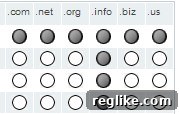
Finding the perfect domain name can be a creative challenge. While DomainTools’ domain suggestion capabilities might not always align perfectly with every user’s subjective preferences, their utility lies in providing a structured approach to identifying available alternatives and related names. This feature helps overcome creative blocks and expands your search beyond initial ideas. What truly sets it apart is the ability to present a side-by-side comparison of domain availability across various extensions for each suggested term.
This functionality is incredibly powerful for:
- Brand Building: If your preferred .com is taken, the suggestions tool can help you find compelling alternatives in other popular TLDs like .net, .org, or newer gTLDs (generic Top-Level Domains) that still convey your brand message effectively.
- Defensive Registrations: Identifying similar names or alternative spellings allows businesses to proactively register these domains, preventing competitors or malicious actors from acquiring them and potentially confusing your audience or infringing on your brand.
- Keyword-Rich Domain Discovery: The tool can generate suggestions based on keywords relevant to your niche, helping you discover domain names that could potentially benefit from strong search engine visibility.
- Market Research: Observing which TLDs are registered for various suggestions can offer insights into market trends and the popularity of certain domain extensions within specific industries. For instance, if you notice a domain is registered in .net or .org but remains available in .com, it often signals a prime opportunity for acquisition, especially if the .com variant is highly desirable.
Leveraging these intelligent domain suggestions helps you not only find available names but also strategize for future brand growth and protection, ensuring your online presence is robust and adaptable.
3. Streamlining the Acquisition of Premium, Already Registered Domains
For many domain investors and businesses, the most valuable assets are often already registered. DomainTools excels at connecting buyers with these premium opportunities by integrating directly with major domain marketplaces. When you perform an availability search, DomainTools doesn’t just tell you if a domain is taken; it goes a step further by indicating if that domain is currently listed for sale on platforms like Sedo, Afternic, TDNAM (The Domain Name Aftermarket), or BuyDomains.
This integrated approach offers significant advantages:
- Centralized Marketplace Visibility: Instead of searching multiple platforms individually, you get a consolidated view of domains for sale, saving considerable time and effort.
- Identifying Underpriced Assets: DomainTools allows you to filter your searches, for example, by selecting the “For Sale” option and then narrowing it down to categories like “Under $2,000.” This is an excellent strategy for uncovering undervalued domains that might have significant potential for appreciation or immediate utility for a specific project. These “underpriced” domains could be gems that haven’t yet been recognized for their true market value, offering excellent ROI for savvy investors.
- Access to Expiring Domains: While not explicitly mentioned in the original, DomainTools often provides data that can lead users to expiring domain lists or auctions, another lucrative avenue for acquiring valuable, previously registered names.
- Strategic Acquisitions: For businesses, acquiring an already established, keyword-rich domain can provide an instant boost to SEO and brand credibility, circumventing the long process of building authority from scratch with a newly registered domain.
By making the process of finding and identifying domains for sale so seamless, DomainTools transforms speculative searching into targeted acquisition, making it an indispensable tool for growing a domain portfolio or securing a crucial online identity.

4. Unveiling Registrant Insights and Portfolio Analysis (Registrant Search)
Understanding the entity or individual behind a domain name can provide critical insights, especially before initiating a purchase offer or during competitive analysis. DomainTools’ Registrant Search feature allows you to delve into the portfolio of a domain owner, revealing how many other domains they have registered. This information, while seemingly simple, can be profoundly strategic.
Here’s how to leverage registrant insights:
- Assessing Seller Intent and Expertise: Knowing if an owner holds a single domain or a vast portfolio of thousands can inform your negotiation strategy. A professional domainer with a large portfolio might have sophisticated valuation methods, whereas a single-domain owner might be more flexible.
- Competitive Intelligence: For businesses, understanding a competitor’s domain portfolio can reveal their market focus, expansion plans, and defensive strategies. It’s a window into their digital assets and potential future moves.
- Identifying Strategic Investors: If a specific registrant holds numerous domains in a particular niche, it indicates a strategic investor with a clear market focus, which can be useful for partnerships or understanding market trends.
- Risk Assessment & Cybersecurity: In cybersecurity, identifying the breadth of domains registered by a suspicious entity can help uncover a network of potentially malicious sites, aiding in threat intelligence and incident response.
The ability to purchase a list of all domains owned by a specific registrant is indeed a powerful, albeit controversial, feature. While it raises valid privacy concerns and the potential for malicious portfolio hijacking, its legitimate applications in advanced market research and legal discovery are undeniable. However, even without purchasing the full list, simply knowing the *number* of domains registered by an individual or entity provides valuable, harmless intelligence that can significantly inform your strategy and risk assessment.

5. Protecting Your Brand from Typo Squatters (Typo Tool)
Typosquatting, also known as URL hijacking, is a deceptive practice where malicious actors register domain names that are slight variations or common misspellings of popular websites. Their goal is to trick users into visiting their fraudulent sites, often for phishing, malware distribution, or traffic diversion. DomainTools’ Typo Tool is an indispensable defense mechanism against this threat.
This powerful tool allows you to:
- Identify Potential Typosquats: A quick search reveals possible typo domains related to your primary website. It shows if these variations are currently registered and if they have been registered previously, giving you a historical context of potential threats.
- Pinpoint Culprits with Registrant View: The “Registrant View” within the Typo Tool is particularly valuable. It directly shows you who owns these suspicious typo domains, enabling you to identify the individuals or entities responsible for potential brand infringement or malicious activities. The original article’s playful warning to “Somjai Santiratikul and Timothy Davids” perfectly illustrates its ability to expose culprits.
- Proactive Brand Protection: By identifying these domains early, businesses can take proactive steps such as sending cease-and-desist letters, filing UDRP complaints, or defensively registering common typos themselves to preemptively shut down threats and protect their intellectual property.
- Mitigating User Confusion and Traffic Loss: Typosquatting can lead to significant brand dilution and direct traffic away from your legitimate site. The Typo Tool helps you monitor and address these diversions, ensuring your users land where they intend.
In an era where online identity is paramount, the Typo Tool provides a critical layer of security, safeguarding your brand reputation and user trust from deceptive practices. It’s an essential component of any comprehensive brand protection strategy.

The Broader Impact and Future of DomainTools
Beyond these five core functionalities, DomainTools offers a suite of features that collectively contribute to a robust understanding of the domain landscape. Its unparalleled repository of domain data makes it an indispensable asset for a diverse range of professionals. Domain investors rely on it for market research and acquisition strategies. Brand managers use it for brand monitoring and intellectual property protection. Cybersecurity teams leverage its data for threat intelligence, identifying malicious domains, and tracking bad actors across the internet.
The future of domain intelligence, as hinted by the original article’s mention of Google’s potential integration of DomainTools into its search algorithms (NASDAQ: GOOG), underscores its growing significance. Imagine a scenario where search engines could more effectively weed out domains that have frequently changed ownership or have suspicious histories – a capability that DomainTools excels at providing. This type of integration could revolutionize how domains are evaluated for SEO and trustworthiness, potentially influencing search rankings and user experience significantly. Google’s journey to becoming a domain registrar itself highlights the importance of domain data in maintaining a healthy and reliable internet ecosystem.
Conclusion: Your Essential Partner in the Digital Domain
DomainTools is far more than just a Whois lookup service; it is a sophisticated intelligence platform providing a 360-degree view of the domain world. From verifying legitimate ownership and discovering untapped investment opportunities to defending your brand against insidious typosquatters and conducting in-depth competitive analysis, its capabilities are expansive. For anyone operating in the digital realm – be it an individual seeking a perfect personal domain, a startup securing its online identity, or a multinational corporation safeguarding its global brand presence – DomainTools offers the clarity and foresight needed to navigate the complex domain landscape with confidence and strategic advantage. Integrating DomainTools into your workflow isn’t just a recommendation; it’s a strategic imperative for informed decision-making and robust digital resilience.