
Mastering Domain Investing: A Comprehensive Case Study with Mark Levine’s 2020 Strategy and Results
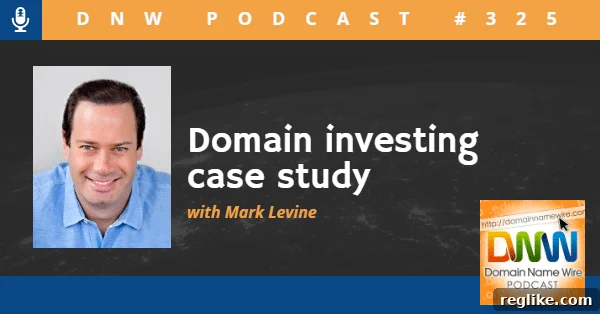
The landscape of domain investing is constantly evolving, presenting both intricate challenges and lucrative opportunities for those who navigate it with expertise. True success in this digital realm hinges on a profound understanding of market dynamics, coupled with a strategic approach to acquiring, managing, and ultimately selling valuable domain names. We offer an in-depth analysis of a highly insightful discussion with veteran domain investor Mark Levine, who generously unveiled his 2020 domain investing results and methods during DNW Podcast #325. This detailed case study is designed to provide practical, real-world insights into successful domain investment, making it an indispensable resource for both aspiring and seasoned investors.
Mark Levine’s distinguished career in the domain space is characterized by a disciplined and analytical approach to identifying high-potential digital assets and implementing precise strategies. His much-anticipated return to the podcast offered a unique opportunity to scrutinize the tangible outcomes of his investment endeavors. The discussion encompassed critical areas such as his annual revenues, operational expenses, the specific Top-Level Domains (TLDs) that generated sales, his innovative strategies for discovering and securing valuable domains, and the core principles guiding his pricing decisions. This article will unpack these crucial elements, providing you with a wealth of knowledge to significantly refine your own domain investment practices. Prepare to gain actionable insights from one of the industry’s most respected figures.
The Strategic Blueprint: Deconstructing Mark Levine’s Domain Investment Approach
Mark Levine’s Investment Philosophy: Value and Vision
Mark Levine is widely respected within the domain community for his pragmatic, data-informed investment philosophy. He consistently emphasizes the pursuit of long-term value, brandability, and the inherent utility of a domain name, rather than succumbing to short-lived market fads. His remarkable success in 2020, a year marked by unprecedented global shifts, serves as a testament to the resilience of a meticulously constructed domain portfolio and the critical importance of adaptable investment strategies. Levine’s perspectives are particularly relevant as they illustrate how to effectively navigate both predictable market fluctuations and unforeseen disruptions, skillfully transforming potential challenges into tangible opportunities for growth and profitability.
A Deep Dive into 2020 Performance: Revenues and Cost Management
A transparent examination of an investor’s financial performance is paramount for accurately assessing true profitability and making informed future decisions. Mark Levine meticulously outlined his 2020 revenues, which primarily originated from a diversified mix of direct sales, transactions through established aftermarket platforms, and strategic brokered deals. He underscored the strategic importance of leveraging multiple sales channels to maximize domain exposure and connect with a broader spectrum of prospective buyers. While specific revenue figures are often proprietary, they typically represent a healthy balance of high-value individual sales complemented by a steady flow of smaller transactions, highlighting the strength and stability derived from a well-diversified portfolio.
Equally critical to understanding overall profitability are the comprehensive costs associated with maintaining a thriving domain portfolio. Levine detailed various essential expenditures, including the ongoing renewal fees for potentially thousands of domains, initial acquisition costs incurred from auctions or direct purchases, and the commissions charged by various sales platforms. Other, less obvious expenses might encompass subscriptions to advanced appraisal tools, market research services, and even legal fees for trademark disputes or other unforeseen issues. A thorough understanding and meticulous tracking of these varied expenses are fundamental for accurately calculating net profit and making judicious decisions regarding which domains to renew, develop, or strategically divest.
Top-Level Domains (TLDs) That Drove Sales: Beyond the Obvious
While the .com TLD consistently maintains its dominant position as the benchmark for universal recognition and trust, Mark Levine’s 2020 sales portfolio likely showcased a more nuanced and expansive strategy, reflecting successful transactions across a diverse array of TLDs. He specifically discussed which TLDs demonstrated the most significant activity and generated substantial revenue for him during that year. This would undoubtedly include premium .com domains, which perpetually command high prices, but also strong performers among country-code TLDs (ccTLDs) such as .co, .io, .ai, or .tv, which have garnered substantial traction and specialized demand within specific industries like technology, startups, or media. Furthermore, new generic TLDs (gTLDs) like .xyz, .online, .store, or .app might have notably contributed to his revenue, especially by catering to niche markets or supporting innovative branding initiatives. The breadth and diversity in his TLD sales underscore the critical importance of adopting a broad-minded perspective and not exclusively limiting one’s investment focus to traditional legacy extensions, even though .com typically forms the foundational bedrock of any truly successful domain portfolio.
Strategic Acquisition: The Art and Science of Finding and Buying Domains
Levine’s sophisticated strategy for identifying and acquiring valuable domains stands as a cornerstone of his sustained success. He articulated a systematic process that likely incorporates the following essential components:
- In-depth Market Research and Trend Analysis: Proactively identifying burgeoning industries, high-value keywords, and long-term societal or technological shifts that inherently generate demand for specific domain names. This often involves rigorous analysis of search engine trends, emerging startup nomenclature, and evolving consumer digital behavior.
- Strategic Leveraging of Aftermarket Platforms: Consistently participating in major domain auctions on established platforms such as Sedo, GoDaddy Auctions, and NameJet. This is crucial for acquiring valuable expiring domains or those strategically listed for sale by other astute investors.
- Diligent Dropping Domain Monitoring: Employing advanced tools and specialized services to diligently monitor domains that are nearing expiration and will soon become publicly available. Successfully securing these “dropping domains” demands swift decision-making and often relies on automated systems to ensure rapid acquisition of desirable names.
- Proactive Direct Outreach and Expert Negotiation: For highly coveted domains already owned by private individuals or entities, Levine may initiate direct contact, utilizing refined negotiation tactics to acquire them at an optimal and favorable price point.
- Prioritization of Brandability and Memorability: Consistently prioritizing domain names that are inherently easy to remember, pronounce, and spell, and which possess strong, enduring branding potential. These typically include short, concise, and impactful names that effectively convey a clear and compelling message.
This comprehensive, multi-faceted approach ensures a robust and continuous pipeline of potentially high-value acquisitions, skillfully balancing speculative purchases with carefully considered, strategic long-term investments.
The Art of Pricing: Accurately Valuing Digital Real Estate
Effectively pricing domains is widely regarded as one of the most intricate and challenging aspects of domain investing. Mark Levine shared his meticulous methodology, which likely integrates a combination of several critical valuation factors:
- Comprehensive Comparable Sales (Comps) Analysis: This is arguably the most vital factor, drawing direct parallels with traditional real estate valuation. It involves rigorously analyzing recent sales data of highly similar domain names in terms of length, keyword relevance, TLD, and industry applicability.
- In-depth Keyword Value Assessment: Evaluating the inherent commercial value of the keywords embedded within the domain name. This assessment includes analyzing search volume metrics, cost-per-click (CPC) data, and their direct relevance to high-value, lucrative industries.
- Subjective Brandability Evaluation: Systematically assessing the strength and potential of a brand that could be successfully built around the domain name. A strong brandable name often warrants and justifies a premium price point.
- Domain Age and Historical Cleanliness: Older domains with a clean, untarnished history can sometimes command higher prices due to their perceived authority, established presence, and potential SEO advantages.
- Existing Traffic and Monetization Potential: If a domain organically generates existing traffic or presents clear, immediate monetization opportunities (e.g., through lead generation, advertising, or content marketing), its intrinsic value significantly increases.
- Understanding Emotional Value and Buyer Urgency: In specific scenarios, a buyer’s unique business need, strong strategic fit, or even an emotional attachment to a particular name can dramatically influence their willingness to pay a premium price.
Levine likely employs a highly flexible pricing strategy, sometimes listing domains with transparent fixed prices, other times offering “make offer” options to gauge market interest, and occasionally utilizing auctions to allow the market to determine the fair value, especially for exceptionally unique or highly sought-after digital assets.
Beyond the Portfolio: Key Industry News and Broader Market Trends
The podcast also provided valuable commentary on several pivotal industry developments that significantly impacted the domain and web hosting landscape in 2020, offering context for the evolving market:
Endurance Acquires Web.com: A Significant Industry Consolidation
The acquisition of Web.com by Endurance International Group represented a major consolidating event within the highly competitive web services industry. Such large-scale mergers frequently result in substantial changes for existing customers, which can include potential price adjustments, extensive service integrations, and noticeable shifts in customer support structures. For domain investors, these consolidations highlight the continuously evolving competitive landscape among registrars and hosting providers, potentially influencing their strategic decisions regarding where to manage their extensive domain portfolios or seek robust partnership opportunities.
.Com Price Hikes: Navigating the Impact on Domain Investors
The announcement of .com price increases by Verisign, the authoritative registry operator for the .com TLD, represents a persistent and significant concern for domain investors globally. While incremental increases may appear minor on an annual basis, their cumulative effect across large portfolios can substantially impact holding costs and overall profitability over time. Astute investors often respond to these hikes by becoming more selective in their .com acquisitions, strategically renewing for longer terms when feasible to lock in current rates, or by diligently exploring more cost-effective alternative TLDs for specific projects or niche markets.
NamesCon Sold: A New Era for Industry Conferences
The sale of NamesCon, recognized as a premier global conference for domain investors and industry professionals, marked the beginning of a new chapter for this vital industry gathering. Such acquisitions often usher in new leadership, introduce fresh perspectives, and can lead to potential changes in the conference format or strategic focus. Industry conferences remain absolutely crucial for fostering professional networking, facilitating continuous learning, and staying abreast of the latest market trends. Therefore, significant changes at a major event like NamesCon are always closely monitored and analyzed by the entire domain investment community.
Earnings Season: Essential Economic Indicators for Digital Assets
The explicit mention of “earnings season” within the podcast segment powerfully underscores the broader economic context that is directly relevant to domain investing. The reported performance of major technology companies, e-commerce giants, and prominent digital service providers during their quarterly earnings calls often serves as a robust indicator of the overall health and vitality of the digital economy. A flourishing and strong digital economy typically correlates with heightened demand for premium domain names, as businesses across all sectors expand their online presence, enhance their digital infrastructure, and strategically invest in their digital branding initiatives.
Actionable Takeaways for Aspiring and Current Domain Investors
Mark Levine’s comprehensive case study, coupled with the insightful discussions on broader industry trends, offers several critical lessons for anyone involved in or considering domain investing:
- Strategic Planning is Paramount: Developing a clear, well-defined strategy for acquisition, portfolio management, and sales is absolutely essential. Approach domain investing with a deliberate purpose, not just opportunistic buying.
- Rigorous Financial Discipline: Meticulously track all revenues and associated costs to gain an accurate understanding of your true profitability and make data-driven decisions.
- Continuous Market Awareness: Remain constantly informed about evolving industry trends, major mergers and acquisitions, and policy changes (such as TLD price hikes) that can directly impact your domain portfolio’s value and potential.
- Portfolio Diversification: While .com domains are undeniably crucial, do not hesitate to explore and invest in valuable country-code TLDs (ccTLDs) and new generic TLDs (gTLDs) to diversify your portfolio and mitigate risk.
- Patience and Unwavering Persistence: Successful domain investing is frequently a long-term endeavor. Significant success rarely materializes overnight; it requires dedication and a strategic long-term vision.
- Commitment to Continuous Learning: The domain market is dynamic and ever-evolving. Therefore, ongoing learning from experienced investors, industry publications, and market news is fundamentally key to sustained success.
By diligently studying the disciplined and strategic approach of respected investors like Mark Levine, you can significantly refine your own investment strategies and confidently navigate the inherent complexities of the domain market. His invaluable willingness to share his 2020 results provides a tangible benchmark and a practical roadmap for achieving meaningful success in this exciting and rewarding digital asset class. The insights from this podcast are truly a masterclass in modern domain investing.
Sponsor: DAN.com – Your premier and trusted global marketplace for buying and selling premium domain names efficiently and securely.
Podcast: Play in new window | Download (Duration: 34:49 — 27.9MB) | Embed
To embed this podcast on your website, copy the following HTML code:
Note: This embed box is hidden by default. To display it, you may need to manually adjust your browser’s developer tools or link directly to this section using its ID.
Subscribe to the Podcast: Email | RSS Feed
Subscribe via Apple Podcasts to seamlessly listen to the Domain Name Wire podcast on your iPhone or iPad, or simply click the play button above or the download link to begin listening immediately. (For access to an archive of all previous podcast episodes, please click here.)