
Mike Tyson Secures His Digital Legacy: The Battle for MikeTyson.com Concludes
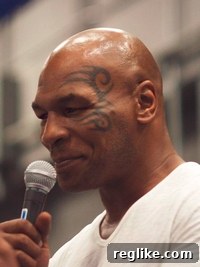 A knockout decision in the digital arena! Former undisputed heavyweight boxing champion Mike Tyson has finally secured control of the domain name MikeTyson.com, bringing an end to a long-standing cybersquatting issue. This victory represents more than just reclaiming a website; it’s a significant step for Tyson in consolidating his online identity and protecting his valuable personal brand in an increasingly digital world. The decision, handed down by the World Intellectual Property Organization (WIPO), underscores the critical importance of intellectual property rights in the domain name system and sets a precedent for similar cases.
WIPO’s Decisive Ruling: MikeTyson.com Returns to Its Rightful Owner
The World Intellectual Property Organization (WIPO), a leading global authority in resolving domain name disputes, has formally determined that retired boxing legend Mike Tyson should be granted the domain name MikeTyson.com. This ruling follows a UDRP (Uniform Domain Name Dispute Resolution Policy) complaint filed by Tyson’s representatives, arguing that the domain was being held in bad faith by a third party with no legitimate claim to the name. Such decisions are pivotal in ensuring that individuals and entities can effectively protect their trademarks and personal brands from opportunistic registrants who seek to capitalize on established names.
For a figure as globally recognized and iconic as Mike Tyson, whose name is synonymous with boxing greatness and a powerful, enduring personal brand, controlling his eponymous domain name is not merely a preference but an absolute necessity. In today’s interconnected landscape, a domain name serves as the primary digital storefront, a central hub for official information, merchandise, fan engagement, and various professional endeavors. The absence of an official MikeTyson.com under his direct control left a significant void, creating opportunities for exploitation, potential misrepresentation, or dilution of his carefully cultivated brand image.
The Protracted History of MikeTyson.com: A Decade of Cybersquatting
The journey of MikeTyson.com back to its rightful owner has been a protracted and intriguing one. The domain name was initially registered way back in 2001, a period during which the internet was experiencing rapid expansion and the inherent value of prime domain names was just beginning to be fully understood by the broader public and businesses alike. However, circumstances led to its expiration in 2004, creating a window of opportunity for a new registrant to seize it. This is precisely where the story takes a familiar turn, emblematic of many cybersquatting cases: the domain was subsequently picked up by an individual or entity operating under the enigmatic name “In Stealth Mode.”
According to comprehensive historical Whois records, which meticulously track domain registration information, and a former placeholder page on the domain itself, the registrant consciously chose to remain largely anonymous. This anonymity, coupled with the consistently minimal and non-committal nature of the domain’s content over the years, became a crucial element in the UDRP proceedings. The content displayed on MikeTyson.com varied sporadically but consistently demonstrated very little, if any, legitimate use. For instance, in 2009, it featured nothing more elaborate than a simple contact form. More recently, prior to the decisive WIPO ruling, it presented a stark black background with only “MikeTyson.com” centered prominently on the page. Such an overt lack of substantive use, particularly when a domain directly infringes on a well-known trademark or personal name, frequently points towards a clear absence of legitimate interest on the part of the registrant, a key factor in UDRP disputes.
Understanding UDRP: The Essential Mechanism for Resolving Domain Disputes
The Uniform Domain Name Dispute Resolution Policy (UDRP) is an internationally recognized administrative procedure meticulously designed to offer a streamlined, efficient, and cost-effective alternative to traditional, often lengthy, litigation for resolving disputes over domain names. Administered by respected organizations like WIPO, UDRP cases fundamentally hinge on three core criteria that a complainant, such as Mike Tyson, must definitively prove to succeed:
- **The domain name is identical or confusingly similar to a trademark or service mark in which the complainant has rights.** In the context of this case, “Mike Tyson” is undeniably a globally recognized personal name that has achieved the status of a de facto trademark due to its immense fame and association with a specific individual and his career. Its distinctiveness and reputation are beyond dispute.
- **The registrant of the domain name has no rights or legitimate interests in respect of the domain name.** The “In Stealth Mode” registrant’s minimal and conspicuously non-commercial use of MikeTyson.com, coupled with the complete lack of any discernible connection or association with the name Mike Tyson himself, strongly corroborated this claim. They neither operated a legitimate business under that specific name nor utilized the domain for any bona fide offerings of goods or services, which are standard defenses against UDRP complaints.
- **The domain name has been registered and is being used in bad faith.** This critical element is often demonstrated through various indicators, such as when a registrant clearly intends to profit from the goodwill or reputation of a pre-existing trademark, to deliberately prevent the trademark owner from using their own domain, or to create a likelihood of confusion among internet users. The act of holding a famous name without any apparent legitimate purpose, particularly with a rudimentary placeholder site, frequently constitutes sufficient evidence of bad faith registration and use.
The UDRP process offers a comparatively swift and efficient resolution framework, typically culminating in a decision in less than 60 days from the initial filing of the complaint. This expediency makes it an exceptionally attractive and preferred option for legitimate trademark holders confronting instances of cybersquatting.
The Puzzling Question of Delay: Why Did It Take So Long?
One aspect that frequently puzzles observers in domain name recovery cases is the considerable delay in action. It is a legitimate and common inquiry to wonder why it took Mike Tyson so long, specifically from 2004 (when the domain expired and was re-registered by “In Stealth Mode”) until 2011 (when the decisive WIPO decision was ultimately rendered), to actively pursue the reclamation of MikeTyson.com. Several interconnected factors could plausibly contribute to this protracted timeline:
- **Awareness of UDRP Procedures:** It’s entirely possible that Mike Tyson or key members of his management team might simply have been unaware of the UDRP procedure as a viable, efficient, and specialized means of resolving such domain name disputes. The legal landscape surrounding domain names is dynamic and specialized, and not all celebrities are immediately attuned to these specific nuances of internet law.
- **Prioritization and Focus:** Mike Tyson’s illustrious post-boxing career has been remarkably diverse and active, encompassing endeavors in acting, producing documentaries, successful stage shows, and various entrepreneurial ventures. Given such a demanding schedule and broad scope of activities, it is highly plausible that managing his intricate digital footprint, particularly an obscure domain name dispute, was simply not at the very top of his priority list for a significant period.
- **Resource Allocation and Strategic Planning:** Pursuing any domain name dispute, even under the expedited UDRP process, necessitates dedicated legal counsel, the allocation of financial resources, and meticulous evidence gathering. It might have taken a considerable amount of time for Tyson’s legal team to identify the specific issue, meticulously collect the necessary evidence, and then carefully formulate a robust legal strategy for a successful UDRP complaint.
- **Evolving Perceived Importance of Digital Assets:** In the earlier days of the internet, the perceived importance and commercial value of controlling every single iteration of one’s personal or brand name online might have been significantly lower than it is in the current digital epoch. As digital presence has progressively become paramount for public figures, the urgency and strategic imperative to secure and protect such invaluable digital assets have undoubtedly escalated over time.
Regardless of the specific confluence of reasons that led to the delay, the ultimate decision by WIPO powerfully reinforces the fundamental principle that strong trademarks and personal brands intrinsically deserve robust protection, even if the proactive action to secure them comes several years after an initial, unauthorized registration by a third party.
The Broader Implications: Protecting Celebrity Brands in the Digital Age
The MikeTyson.com case serves as a poignant and significant reminder of the ongoing, multifaceted challenges that celebrities, public figures, and prominent brands universally face in vigilantly protecting their intellectual property and maintaining a coherent online identity. In an era where a strong, authentic, and controlled digital presence is absolutely crucial for effective career management, genuine fan engagement, and successful commercial ventures, the pervasive threat of cybersquatting looms large and presents a constant challenge.
A personal domain name like MikeTyson.com serves a multitude of vital, interconnected functions:
- **Official Information Hub:** It provides an indisputably reliable and authoritative source for fans, media representatives, and potential business partners to find accurate, up-to-date information, rather than relying on unofficial, potentially outdated, or even misleading third-party websites.
- **Brand Consistency and Control:** It empowers the celebrity to fully control their narrative, meticulously manage their public image, and present themselves in a consistent, unified, and authentic manner across all their diverse digital platforms and public appearances.
- **Enhanced Commercial Opportunities:** It can serve as the direct host for official e-commerce stores, offering merchandise, event tickets, unique experiences, and other commercial offerings, thereby directly benefiting the celebrity and their ventures.
- **Direct Fan Engagement and Community Building:** It facilitates direct, unfiltered communication and fosters a vibrant community among fans, effectively bypassing intermediaries and creating a more personal connection.
WIPO’s consistent and unwavering rulings in favor of legitimate trademark holders through the effective UDRP mechanism are absolutely essential for maintaining order, fairness, and integrity within the complex domain name system. These rulings send a clear, unequivocal message to aspiring cybersquatters that registering domain names associated with famous personalities, established brands, or trademarks in bad faith will, more often than not, result in their inevitable forfeiture and transfer to the rightful owner.
What’s Next for MikeTyson.com? Forging a New Digital Chapter
With Mike Tyson now firmly in control of MikeTyson.com, the possibilities for its future development are genuinely extensive and exciting. We can confidently anticipate the imminent development of an official website that truly and authentically represents the persona and multifaceted career of the “Baddest Man on the Planet.” This official platform could take various forms, ranging from an interactive and engaging career retrospective, meticulously showcasing his legendary fights, unparalleled accomplishments, and enduring impact on boxing, to serving as a dynamic platform for his diverse current endeavors. These endeavors include his successful entrepreneurial ventures, high-profile media appearances, and impactful philanthropic efforts.
Ultimately, MikeTyson.com has the potential to become the definitive online destination for everything related to Mike Tyson, offering exclusive content, official merchandise, and unique direct engagement opportunities for his millions of dedicated fans worldwide. This newly reclaimed digital asset is far more than just a simple URL; it is a fundamental cornerstone and a robust foundation upon which Mike Tyson can build an even stronger, more direct, and authentic connection with his global audience, further solidifying his enduring legacy far beyond the boxing ring. The landmark WIPO decision marks a truly triumphant conclusion to this particular domain dispute, unequivocally emphasizing the critical and ever-growing role of intellectual property protection in the continuously evolving and expanding digital landscape.
Photo credit: Eduardo Merille