
Protecting Your Digital Assets: Unmasking Critical Customer Mistakes Often Blamed on Domain Registrars
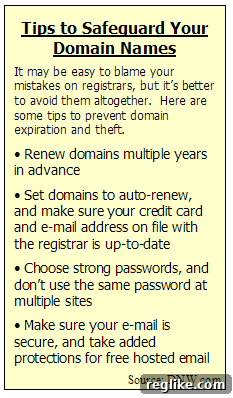
In the fast-paced digital landscape, a website’s domain name is its foundational identity—a critical digital asset. However, despite its immense importance, domain security is frequently overlooked, leading to costly outages and even theft. Alarmingly, when things go wrong, the blame often falls unfairly on domain registrars, even when the root cause lies with the domain owner’s oversight. This phenomenon, where crucial customer mistakes are misattributed to registrars, highlights a significant gap in understanding digital asset management and cybersecurity best practices.
Understanding the true nature of these incidents is paramount for any individual or business operating online. It’s not merely about pointing fingers but about fostering a culture of shared responsibility and proactive security. By dissecting common scenarios and the protective measures available, we can empower domain owners to safeguard their online presence effectively, moving beyond reactive blame to preventative action. This article aims to shed light on these critical issues, offering insights into how domain owners can protect themselves and their digital assets from common pitfalls.
The CrashPlan.com Outage: A Case Study in Misattributed Blame
The unfortunate incident involving the online backup service CrashPlan.com serves as a powerful illustration of how misinformation can spread rapidly, unfairly tarnishing a registrar’s reputation. Earlier this month, when CrashPlan.com experienced a significant outage, its parent company, Code 42 Software, was quick to publicly accuse its domain name registrar, GoDaddy. Through a series of tweets, Code 42 Software claimed that GoDaddy had “mistakenly removed our root nameserver entry,” “inappropriately took over our DNS,” and even performed a DNS “hijack.” These accusations painted a picture of egregious error on the part of the registrar, leading many to believe that GoDaddy was directly responsible for the service disruption.
However, the full story, which Code 42 Software notably omitted from its public statements, revealed a very different truth. The primary cause of the outage was a critical oversight by Code 42: they had mistakenly allowed their domain name to expire. GoDaddy, acting as the domain registrar, had diligently attempted to notify Code 42 Software of the impending expiration through no fewer than five separate email communications. Despite these repeated alerts, the company failed to take timely action to renew its domain.
This lapse in domain management, rather than any malicious or mistaken action by GoDaddy, was the undeniable cause of CrashPlan.com’s downtime. The swiftness with which the narrative of registrar culpability spread across the web, as evidenced by comments on unrelated news stories like one on CNET where a commenter wrote that “GoDaddy somehow hosed their domain,” underscores the challenges registrars face in managing their reputation when customer errors lead to public outcry. The lack of response from Code 42 Software to requests for comment on this story further emphasizes the company’s apparent unwillingness to correct the misleading narrative. This incident serves as a stark reminder of the importance of diligent domain management and the profound impact of accurate communication in the digital age.
Beyond Expiration: Common Customer Failures Leading to Domain Incidents
The CrashPlan.com incident is far from an isolated case. Domain registrars frequently find themselves “thrown under the bus” when customers make critical mistakes that compromise their domain names. Given the complex nature of digital security and the often-technical jargon involved, it’s easy for domain owners to overlook fundamental security practices. These oversights can have catastrophic consequences, ranging from website downtime to complete domain theft.
Email Account Compromise: The Gateway to Domain Theft
One prevalent scenario involves the compromise of a customer’s email account. In a notable instance, the registrant of a popular website had their non-GoDaddy email account breached by an attacker. This compromised email account, often serving as the primary verification method for domain management, allowed the perpetrator to gain unauthorized access to the customer’s registrar account. From there, the attacker was able to initiate and complete a domain transfer, effectively stealing the domain name away from GoDaddy. Despite the undeniable fact that the initial vulnerability lay with the customer’s email security, the individual publicly blamed GoDaddy for the theft. This highlights a critical misunderstanding: registrars can only secure what they control; the security of a customer’s primary communication channels is the customer’s responsibility.
Weak Passwords: An Open Invitation for Attackers
Another frequent culprit in domain compromise cases is the use of weak, easily guessable passwords. Earlier this year, several high-value domain names were stolen, leading to public criticism directed at registrar eNom. However, investigations revealed that the real culprit behind these thefts was the customers’ failure to implement strong password policies. By using simple or commonly used passwords, these domain owners inadvertently provided an open invitation for thieves to access their accounts. Once an attacker gains access to a registrar account through a weak password, they can initiate changes to nameservers, transfer domains, or even delete them, causing immense damage to the domain owner’s online operations.
These incidents underscore a crucial point: while domain registrars invest heavily in securing their platforms, the ultimate security chain is only as strong as its weakest link. Often, that link is the customer’s own security practices, including email account security and password strength.
The Shared Responsibility Model in Domain Security
Effective domain security operates under a shared responsibility model. Domain registrars are responsible for securing their infrastructure, offering robust security features, and processing domain registrations and transfers in accordance with industry standards. However, domain owners hold an equally vital responsibility for managing their accounts, securing their access credentials, and maintaining up-to-date contact information. Ignoring this shared responsibility can create vulnerabilities that neither party can fully mitigate alone. It’s a partnership where vigilance on both sides is essential for comprehensive protection of digital assets.
Essential Strategies for Robust Domain Protection
Companies and individuals with valuable web properties must adopt a multi-layered approach to protect their domain names against expiration, theft, and unauthorized access. Leveraging the advanced tools and services offered by registrars, combined with diligent personal security practices, is the most effective defense.
Leveraging Registrar-Provided Security Tools
- Domain Locking: This is a fundamental security feature that prevents unauthorized transfers or modifications to a domain’s registration information. Registrars like Moniker and Fabulous offer domain locking tools with added security layers. When a domain is locked, any attempt to transfer it to another registrar or change its nameservers requires an additional verification step, often involving a manual unlock process by the legitimate owner. This significantly thwarts attackers who gain unauthorized access but cannot bypass the lock.
- Protected Registration/Privacy Protection: Services like GoDaddy’s Protected Registration go beyond basic locking. They often include WHOIS privacy, which shields your personal contact information from public view in the WHOIS database, reducing exposure to spammers, scammers, and identity thieves. Enhanced protection can also monitor for unauthorized changes and provide recovery services in case of compromise.
- Multi-Factor Authentication (MFA/2FA): Implementing MFA for your registrar account is arguably the most critical step in preventing unauthorized access. MFA requires a second form of verification beyond just a password—such as a code from a mobile app, a physical security key, or a biometric scan. Even if an attacker compromises your password, they cannot access your account without this second factor. Always enable 2FA wherever possible on your registrar account.
Proactive Monitoring and Alert Systems
- Registrant Alert Services: Subscribing to services like DomainTools’ Registrant Alert is invaluable. These services monitor your domain’s registration data for changes, such as alterations to nameservers, contact information, or domain status. Receiving immediate notifications about potential unauthorized activity allows domain owners to react quickly, potentially preventing theft or mitigating damage.
- Regular Domain Audits: Periodically review your domain’s registration details, expiration dates, and nameserver configurations. Ensure that all contact information—especially the administrative and technical contacts—is up-to-date and uses secure email addresses that are also protected by strong passwords and MFA.
Strengthening Account and Email Security
- Strong, Unique Passwords: Never reuse passwords across different accounts. Utilize strong, complex passwords that combine uppercase and lowercase letters, numbers, and symbols. A password manager can help generate and securely store these unique credentials.
- Secure Email Practices: Your primary email address linked to your registrar account is a critical target for attackers. Ensure this email account is secured with a strong, unique password and, crucially, multi-factor authentication. Be wary of phishing attempts that try to trick you into revealing your login credentials.
- DNSSEC Implementation: For an added layer of security, consider implementing DNSSEC (Domain Name System Security Extensions). DNSSEC protects against DNS cache poisoning and other attacks by cryptographically signing DNS data, ensuring that users are directed to the legitimate website and not a malicious one.
The Virality of Misinformation and its Impact on Trust
The digital age, with its interconnected platforms and instant communication, presents unique challenges for managing reputation. For domain registrars, the speed at which misinformation spreads across the web is a significant concern. It often matters little that Code 42 Software’s negligence caused CrashPlan.com’s outage, or that a customer’s weak password led to domain theft, not a registrar’s error. The initial accusation, amplified by the viral nature of social media, can inflict substantial damage on a registrar’s brand and public trust.
This phenomenon highlights the need for both domain owners and registrars to prioritize transparency and education. When an incident occurs, a clear and accurate understanding of its root causes is essential to prevent the propagation of false narratives. For registrars, this often means proactive communication and consistent efforts to educate customers on their responsibilities in maintaining robust domain security. For domain owners, it means accepting accountability for their own security practices and verifying information before contributing to online discussions. Building and maintaining trust in the digital ecosystem requires a collective commitment to accuracy and security, where the focus shifts from misplaced blame to collaborative problem-solving and preventative measures.
Conclusion: Empowering Domain Owners Through Education and Vigilance
The incidents discussed underscore a vital lesson for anyone managing an online presence: domain security is a shared responsibility, with significant onus on the domain owner. While registrars provide the infrastructure and tools, the ultimate defense against outages and theft lies in diligent management, strong security practices, and a proactive approach to monitoring. From ensuring timely renewals and employing robust password policies to activating multi-factor authentication and leveraging advanced domain locking features, every step taken by a domain owner contributes to a more secure digital footprint.
By understanding common vulnerabilities and embracing the array of protective measures available, domain owners can significantly reduce their risk profile. This shift from reactive blame to proactive security not only safeguards valuable digital assets but also fosters a more resilient and trustworthy online environment for everyone. Invest in your domain’s security today; it’s an investment in the continued success and integrity of your online identity.