
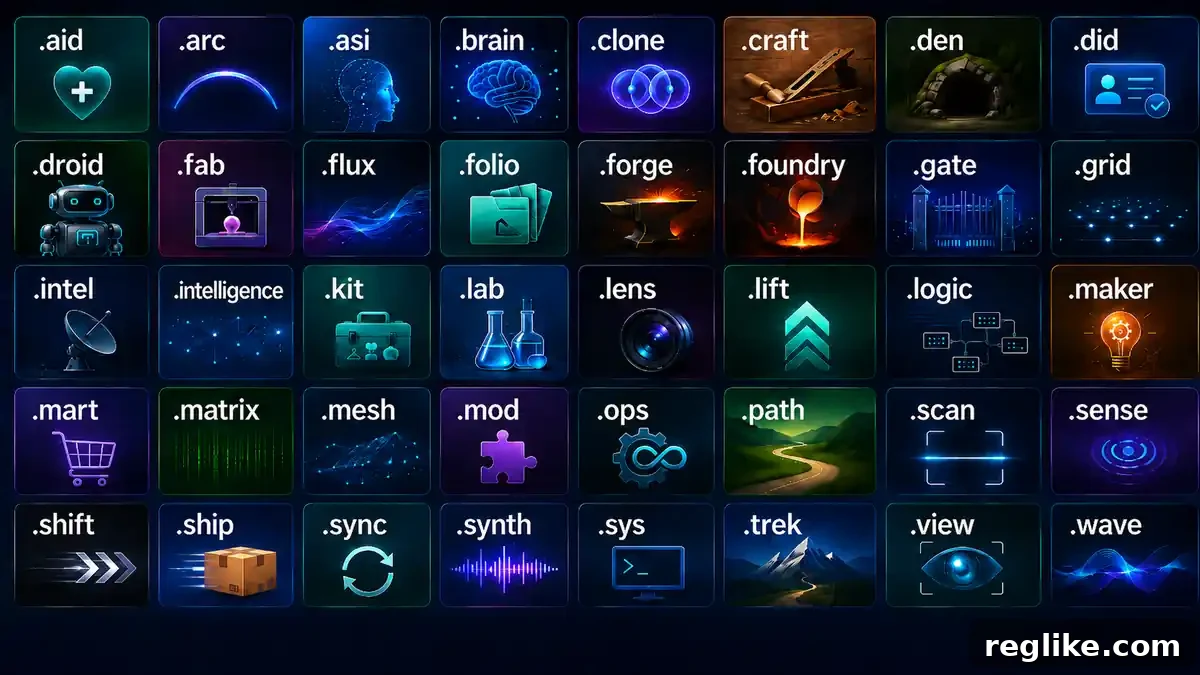
Registrar has launched Starlight Registry and applied for 40 TLDs.
Domain name registrar Namecheap has announced a significant expansion into the top-level domain (TLD) space by launching a new registry operation called Starlight Registry and submitting applications for 40 TLDs. This move represents a strategic extension of Namecheap’s existing presence in the domain industry, moving beyond retail registrar services to the registry level where new TLDs are created and managed.
Hillan Klein, CEO of Namecheap and Spaceship, described the launch as a “natural extension” of the company’s long-term work across the domain ecosystem. The company plans to actively develop the new namespaces rather than simply holding them as assets. According to Klein, Starlight Registry intends to invest in distribution and marketing to drive adoption of the new TLDs and will collaborate with the broader registrar community to bring these namespaces to market.
Although Namecheap already has substantial distribution as one of the largest domain registrars, the firm says it will continue to work with other registrars and partners when building the new TLDs. The stated aim is to make the TLDs broadly available and to leverage existing industry channels and relationships to foster adoption, rather than limiting access to a single sales channel.
The 40 proposed TLDs are heavily focused on technology, development, and creative sectors. The list includes short, memorable strings that could appeal to tech companies, developer communities, digital creators, and industry-specific services. Several of the applied-for strings are single-word or short terms that align with common industry concepts, potentially offering targeted naming options for businesses and projects.
Below is the list of the 40 primary top-level domain applications filed by Starlight Registry. Notations indicate when other applicants are publicly known to have applied for the same string:
.aid
.arc
.asi – LFG*
.brain – LFG, Name Space
.clone
.craft – LFG
.den
.did
.droid
.fab – LFG, Endpoint Domains, JTTW**
.flux
.folio
.forge
.foundry – JTTW
.gate – LFG, JTTW
.grid – JTTW
.intel
.intelligence – LFG
.kit – LFG
.lab – LFG (.labs)
.lens
.lift
.logic
.maker
.mart – LFG
.matrix – LFG
.mesh
.mod
.ops
.path
.scan – LFG
.sense
.shift
.ship – LFG
.sync
.synth
.sys – LFG
.trek
.view – LFG
.wave
Notes provided with the applications indicate that “LFG” refers to Link Freedom Group, which disclosed both primary and replacement strings without specifying which were intended as the primary application. “JTTW” refers to Journey to the West, another applicant that similarly disclosed multiple strings. Some details about these applicants are limited, and in at least one case, disclosed applications appear to conflict with existing TLDs.
Moving from registrar to registry requires different operational capabilities, including management of DNS infrastructure, policy and technical compliance, and registry-registrar relations. Namecheap’s public statements emphasize that Starlight Registry will not only register and operate these strings but will also undertake marketing and distribution efforts to ensure the domains gain traction in relevant markets.
The selection of terms in the Starlight portfolio suggests a focus on emerging and established technology themes—areas where targeted, descriptive TLDs can offer branding and namespace value. If approved, these TLDs could provide new options for businesses, developers, and creators seeking concise, industry-relevant domain names.
As with any new TLD applications, these proposals must go through the appropriate evaluation and approval processes. The industry will be watching how Starlight Registry positions and launches these strings, how it partners with other registrars, and how effectively it drives adoption of the new namespaces.
* Short for Link Freedom Group; the applicant disclosed multiple strings without specifying primaries.
** Short for Journey to the West; the applicant disclosed primary and replacement strings, and some of its submissions appear to overlap with existing TLDs. Little public information is available about this applicant.