
NamesCon 2014: A Groundbreaking Event Reshaping the Domain Industry Landscape
The inaugural NamesCon conference, held in the vibrant city of Las Vegas, marked a pivotal moment for the global domain name industry. For those who were fortunate enough to be among the nearly 600 attendees, the consensus was clear and resounding: it was an unequivocal success. Industry veterans Richard Lau, Jodi Chamberlain, and Jothan Frakes deserve immense credit for orchestrating such a phenomenal event in a remarkably short timeframe. Their vision to address a palpable void in the domain conference circuit was met with an impressive execution, filling that gap with unparalleled zeal and delivering an experience that resonated deeply with participants.
Having previously shared initial reflections on the conference, this comprehensive article aims to provide a more in-depth exploration of the key discussions, observations, and networking opportunities that defined NamesCon 2014. It serves as a detailed walkthrough, capturing the essence of an event that has undoubtedly set a new benchmark for domain industry gatherings.
Day One: Setting the Stage for Innovation and Connection (Monday)
Monday at NamesCon 2014 was characterized by a palpable sense of anticipation as attendees from across the globe converged in Las Vegas. The day was dedicated primarily to arrivals and informal networking, allowing participants to settle in and begin connecting with peers. The official commencement of the conference activities didn’t take place until the evening, with a spectacular opening night party generously hosted by .xyz. The event space was packed to capacity, buzzing with lively conversations and the excitement of reuniting with old acquaintances and forging new connections. It was a powerful start, signaling the energy and enthusiasm that would permeate the entire conference.
Day Two: Unpacking the Future of Domains and Brands (Tuesday)
Tuesday morning kicked off with a compelling keynote address by Jennifer Wolfe, a distinguished consultant specializing in new TLDs and their strategic application for brands. Wolfe, whose influential book delves into how companies can effectively leverage .brand top-level domains, expanded on these insights during her talk. She explored not only the potential of direct .brand domains but also how companies that hadn’t pursued a .brand application could still strategically utilize other new TLDs to enhance their online presence.
While Wolfe’s expertise and insights were undoubtedly valuable, a critical question lingered for many in the audience, including myself. The core challenge with her outlined strategies, both in her book and her presentation, was the perceived lack of truly novel applications. Many of her examples demonstrated capabilities that brands already possess and implement effectively with existing .com domains or other traditional extensions. The transition from ‘domain.brand.com’ or ‘brand.com/domain’ to merely ‘domain.brand’ seemed, at first glance, to represent an incremental shift rather than a transformative innovation capable of fundamentally altering how consumers interact with brands online. The industry remains eager to uncover truly groundbreaking uses for .brand TLDs that transcend conventional practices.
Following Wolfe’s insightful presentation, the stage welcomed Las Vegas Mayor Carolyn Goodman, who passionately advocated for her city as an exceptional hub for business and innovation. Her address also touched upon the burgeoning .vegas top-level domain, a key initiative for the city. Interestingly, during her speech, Mayor Goodman made a small but significant slip, inadvertently referring to “Vegas.com.” This minor faux pas served as a subtle reminder of the ingrained dominance of .com in the public consciousness, a habit that the domain industry anticipates will take considerable time and effort to overcome as new TLDs gain traction.
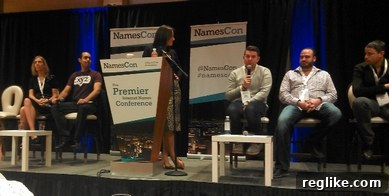
After the Mayor’s address, the conference diverged into three distinct tracks, offering attendees a diverse range of specialized sessions. I chose to remain in the main conference area, drawn by a highly anticipated panel featuring representatives from five new top-level domain applicants. This session provided an invaluable glimpse into the varied and often ambitious plans for these emerging TLDs. The discussions highlighted the wide spectrum of marketing strategies and pricing models being proposed. On one end of the spectrum was .xyz, positioning itself as a widely accessible and affordable option, open to all and priced at approximately $10. Conversely, .luxury aimed for exclusivity, setting a premium price point of hundreds of dollars, thereby establishing itself as a true luxury commodity in the domain space. This diversity underscored the dynamic and experimental nature of the new TLD landscape.
Strategically located just outside the main conference room, the exhibit hall served as a vibrant hub of activity and a mandatory thoroughfare for reaching the main conference areas. Its sheer size and the impressive number of exhibitors set it apart from most non-ICANN domain conferences I had attended in recent memory, drawing comparisons to the scale of DomainFest from several years prior. The hall was a hive of sponsors, domain investors, and new TLD applicants, all eager to showcase their offerings and network. Among the many engaging booths, one particular highlight was the .buzz massage booth, which offered a welcome respite and proved to be a popular attraction, reflecting the creative approaches exhibitors employed to engage attendees.

Regrettably, a series of pre-scheduled meetings forced me to miss a couple of crucial sessions. One panel I particularly wished to attend was “New TLDs + Domainers,” primarily to hear the perspectives of Fred Krueger, Chief Strategy Officer of Top Level Domain Holdings. Krueger had previously made waves with highly provocative statements, notably in a comment on Domain Incite where he boldly declared, “…New TLD registries are going to have the last laugh as all these new TLDs crush (and I mean crush) dot com domainers. Good luck standing up to this tsunami of alternatives to your bad and overpriced domain name portfolios gentlemen.” Given his history of stirring controversy, I was keen to observe whether he maintained this combative tone on stage. As it turned out, he delivered exactly as expected. Shane Cultra’s excellent post on DomainShane vividly captures Krueger’s assertions, including his prediction that .com would be “dead in 10 years,” offering insightful analogies that resonated with many.
Amidst the busy schedule, I managed to squeeze in a quick visit around lunchtime to the new office of .xyz, conveniently located just a few minutes down Tropicana from the conference hotel. This visit provided a tangible sense of the significant investment and bold ambitions Daniel Negari and his team held for changing the domain space with .xyz, underscoring their commitment to establishing a strong physical presence alongside their digital endeavors. More details about .xyz and its Las Vegas office can be found through various industry reports that followed the conference.
The afternoon brought a highly anticipated legal panel, featuring an all-star lineup of industry legal luminaries: John Berryhill, Bret Fausett, Ari Goldberger, Daliah Saper, and Albert Angel. Despite the exceptional caliber of the panelists and the critical importance of their topic, the session unfortunately failed to draw the large audience it deserved. This was truly a missed opportunity, as each expert shared captivating and often cautionary tales about the egregious legal mistakes individuals and companies have made in the domain space. Their stories served as invaluable lessons in best practices and risk mitigation, underscoring the complex legal landscape that domainers must navigate. A dedicated post detailing these enlightening stories was planned to follow, aiming to share these vital insights with a broader audience.
The day’s official programming culminated with a highly anticipated keynote address from Frank Schilling, a towering figure in the domain industry. Schilling’s insights into the future of domain names, particularly his comments on the new TLDs, were keenly observed and widely discussed, solidifying his reputation as a visionary thought leader. His perspective offered a blend of seasoned wisdom and forward-looking analysis, providing valuable context for the ongoing industry shifts.
Tuesday evening concluded on a high note with Water Night, a charity event that underscored the benevolent spirit within the domain community. This impactful initiative successfully raised over $100,000 for The Water School, a remarkable achievement that highlighted the industry’s commitment to social responsibility beyond its commercial pursuits. It was a heartwarming end to a day filled with intense discussions and valuable insights.
Day Three: Exploring Niche Markets and Monetization Strategies (Wednesday)
Wednesday morning at NamesCon began with an intriguing presentation by Jodee Rich, the visionary behind the bid for .ceo and the head of PeopleBrowsr, a social media analytics company. Rich shared his unique perspective on the evolving domain market and elaborated on his ambitious plans for .ceo. While the concept of .ceo initially presented a degree of ambiguity for many, myself included, I approached his talk with an open mind, eager to understand his vision.
Rich posited that existing social networks, such as Facebook, are often too broad and lack the necessary niche focus for specialized content. He argued that users are reluctant to post highly specific, niche subject matter on platforms where the vast majority of their connections would have little to no interest. This observation led to his rationale for creating more targeted online communities.
The idea of niche social networks, however, is not entirely new. It was a common joke at startup conferences half a decade ago that every aspiring entrepreneur was launching “a social network for ________,” with the blank filled by everything from teachers and knitters to athletes and more obscure interests. The key differentiator Rich highlighted was his company’s access to extensive Twitter data, which he believed could enable precise targeting of these specific niches. Whether a significant demand for such highly specialized social networks truly exists remains an open question. Rich outlined his strategy to leverage this data and pre-made web pages to attract CEOs to the .ceo domain. While there is undoubtedly a market for a network dedicated to CEOs, the added value of a new top-level domain layer to this concept still presented a puzzle. Furthermore, a personal reflection suggested that receiving an email from a .ceo address might, for some, evoke an impression of posturing rather than genuine leadership.
Rich’s presentation concluded with an encore of his now-infamous .ceo video, which had previously garnered attention during an ICANN meeting. The video, which sparked debate and was labeled by some in the crowd as sexist, continued to elicit strong reactions, highlighting the ongoing conversations around branding and representation in the domain space.
Following this thought-provoking session, Jeremy Schoemaker, widely known as “ShoeMoney,” took the stage for a compelling keynote. Schoemaker shared his journey and invaluable insights into how he successfully built and monetized his online ventures. His talk placed a strong emphasis on the critical importance of developing and nurturing prospect lists, a fundamental strategy for online success that resonated deeply with the entrepreneurial audience. His practical advice provided actionable takeaways for domainers and digital marketers alike.
Around lunchtime, I had the privilege of moderating a panel featuring several of my esteemed domain blogging peers. This session offered a dynamic exchange of ideas and perspectives from those actively shaping the discourse within the industry. Shortly thereafter, I managed to attend a portion of a spontaneous and highly anticipated visit from WordPress founder Matt Mullenweg. His insights on domain names from the perspective of a platform that powers a significant portion of the internet were particularly interesting, highlighting the symbiotic relationship between content creation and domain ownership.
The next notable programming I caught was a talk by Duane Forrester of Bing, who opened his session with a focused discussion on the intricate relationship between domain names and search engine optimization (SEO). His presentation delved into how domain choices can impact search visibility and ranking, offering crucial guidance for anyone invested in online presence. Given the depth and importance of this topic, a separate, more detailed post was planned to further explore his valuable insights.
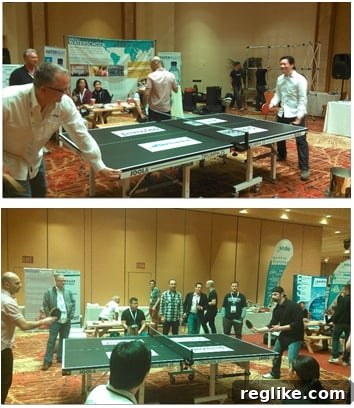
As the official sessions began to wind down, the energy in the exhibit hall intensified with the highly anticipated Ping Pong tournament. This friendly yet fiercely competitive event saw numerous familiar faces from the domain community square off, adding a fun, social dimension to the conference. Ultimately, Ray King of Top Level Design, himself an applicant for a new TLD, emerged victorious, showcasing the diverse talents present within the industry.
Day Four: Reflecting on Success and Looking Ahead (Thursday)
Thursday morning marked my departure from Las Vegas and the conclusion of an incredibly impactful NamesCon conference. Las Vegas, true to its reputation, seems to hold onto the belief that it should extract every last nickel from its visitors before they leave its confines. This ethos is particularly evident at the airport, where slot machines are strategically placed throughout, making a final, tantalizing grab for attention and any remaining funds before passengers board their flights.
Throughout the duration of NamesCon, I had been so engrossed in the conference’s rich content, networking opportunities, and the vibrant discussions that I hadn’t had a single moment to engage in gambling. The sheer volume of information and connections had kept me fully occupied. However, as I waited for my flight at the airport, I decided to indulge in a brief moment of leisure at a slot machine. Remarkably, after a short period, I found myself up by $50. Recognizing this small victory, I made the prudent decision to quit while I was ahead. It was a modest sum, but for once, I could genuinely say that I left Las Vegas not just enriched by the NamesCon experience, but also as a winner in a more literal sense.
NamesCon 2014 was far more than just another industry gathering; it was a groundbreaking event that successfully united the global domain community, fostered critical discussions, and laid the groundwork for future innovation. From the insightful keynotes to the lively exhibit hall and the spirited networking events, the conference provided an unparalleled platform for learning, collaboration, and connection. Its immediate success underscored the significant demand for a focused, high-quality event dedicated to the domain name industry. The foundation laid by Richard Lau, Jodi Chamberlain, and Jothan Frakes ensured that NamesCon quickly established itself as a must-attend fixture on the industry calendar, promising even greater impact and growth in the years to come.