
Unmasking True TLD Growth: Why Registrar Data is the Key to Understanding Domain Success
In the dynamic world of domain names, assessing the genuine success and growth of a Top-Level Domain (TLD) can often be more complex than it appears on the surface. While the raw number of registrations might seem like the most straightforward metric, relying solely on this figure can be misleading. To gain a truly comprehensive understanding of a TLD’s health, stability, and potential for long-term viability, it’s essential to dig deeper—specifically, into the distribution and activity patterns of its domain registrars.
This deeper dive into registrar data provides invaluable qualitative insights that mere quantitative counts simply cannot offer. It helps distinguish between genuinely adopted domains used for active websites and services, and those that might be held for speculative purposes, promotions, or bulk acquisition. Understanding who is registering these domains, and how consistently, paints a much clearer picture of a TLD’s intrinsic value and its trajectory within the global domain market.
The Deceptive Nature of Raw Registration Numbers
At first glance, a TLD boasting hundreds of thousands or even millions of registrations might seem like an undeniable success. However, these figures can often mask underlying issues. Factors such as aggressive promotional campaigns, deep discounts, and large-scale bulk registrations by a limited number of entities can inflate registration numbers without necessarily indicating widespread, organic adoption by end-users or businesses with genuine intent to build an online presence. Such inflated numbers can create a false sense of demand, potentially leading to an unsustainable bubble rather than sustained growth.
A high registration count alone tells us little about the diversity of registrants, their geographical distribution, or the actual utilization of these domains. Are they being developed into active websites, used for email services, or simply parked and left idle? These are critical questions that raw registration figures fail to answer, highlighting the necessity for a more nuanced analytical approach.
Case Study: The Puzzling Trajectory of the .LTD Domain
Let’s consider the .LTD domain, which has achieved significant registration numbers, frequently appearing among the top TLDs with approximately 500,000 names in its zone file. On the surface, this might suggest a highly successful and widely adopted TLD. However, a closer examination of its registrar breakdown reveals a rather peculiar story, suggesting that its growth may not be as organic or broadly based as initially perceived.
Concentrated Registrar Dominance: A Red Flag?
When we analyze the registrars handling .LTD registrations, a striking pattern emerges: Alibaba holds an astonishing 93% of the market share, with West.cn trailing at a distant second with another 3%. This means that over 95% of all .LTD registrations are processed through just two Chinese domain name registrars. Such an extreme concentration of registrations with a single registrar, or even a couple, is highly unusual for a globally marketed TLD and immediately raises questions about the nature of its growth.
While the “Limited” corporate identifier originates from the UK and is used in many former Commonwealth nations, including Hong Kong, and there is a similar corporate structure in mainland China, this linguistic and legal alignment doesn’t fully explain the overwhelming dominance of one Chinese registrar. Such a significant skew implies that the vast majority of registrations might be driven by specific, perhaps localized, promotional activities or speculative investments from a very limited pool of entities, rather than a diverse, global demand from various businesses and individuals.
Unusual Registration Spikes and What They Imply
Further compounding the peculiarity are the sharp, sudden jumps observed in the .LTD registration curve, particularly outside of typical launch phases. This kind of jagged, inconsistent growth pattern is often indicative of large-scale, coordinated bulk registrations or aggressive, short-term promotional campaigns rather than steady, organic demand from businesses or end-users genuinely seeking to establish their online presence. Organic growth, driven by real-world adoption, typically presents a much smoother, more gradual ascent.
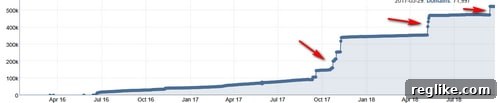
These sudden influxes suggest that a significant portion of .LTD domains may be acquired for speculative investment, possibly by a few large-scale investors or through specific reseller programs, rather than being registered by diverse businesses intending to utilize them for operational websites. This raises concerns about the long-term utility and retention rates of these domains, as speculative holdings are often more prone to dropping if their perceived value does not materialize.
In Contrast: The Healthy Growth of the .APP Domain
To highlight the difference, let’s examine the .APP domain, another relatively successful TLD with over 300,000 registrations. While its overall registration count is lower than .LTD, the underlying data paints a picture of much healthier, more sustainable growth. The distribution of its registrations across various registrars offers a stark contrast.
Diverse Registrar Distribution: A Sign of Market Breadth
For .APP, the leading registrar is GoDaddy, which is entirely logical and a strong positive indicator. As the largest domain registrar globally, GoDaddy’s top position suggests broad market acceptance and appeal, indicating that .APP is being adopted by a wide array of customers from diverse geographical locations and business sectors. Following GoDaddy, Google holds the second spot, which is also expected and makes perfect sense, given that .APP is a Google-owned TLD.
Beyond these two, the list continues with prominent names like Namecheap, West263, and Name.com. This diversified spread across multiple well-known registrars signifies a healthy, competitive market where domains are being registered by a wide variety of users through their preferred providers. This suggests genuine demand from a broad base of end-users, developers, and investors, rather than concentrated activity by a select few.
The Smooth and Steady Registration Curve
Another key indicator of .APP’s robust health is its registration curve. Unlike the volatile spikes seen with .LTD, .APP exhibits a remarkably smooth and consistent growth trajectory. This steady upward trend is characteristic of organic adoption, where demand builds gradually and sustainably over time. It reflects continuous interest and registration activity from a diverse pool of individuals and businesses, rather than episodic, promotion-driven bulk acquisitions.
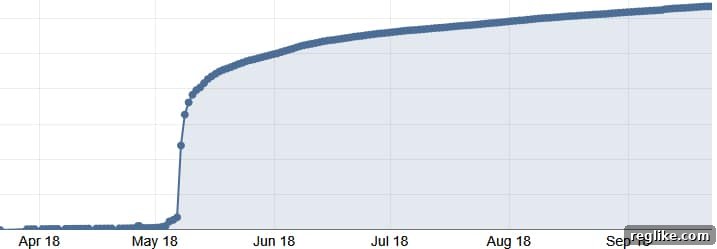
A smooth curve implies that registrations are being made out of genuine need or well-distributed investment interest, indicating a more stable and resilient TLD market. While some of these registrations are undoubtedly from domain investors, the spread across numerous registrars and the consistent growth pattern suggest that these investments are diversified and likely part of a broader, more stable market demand.
Beyond the Numbers: What Constitutes True TLD Success?
While targeting specific investor communities, such as Chinese domain investors, is not inherently problematic as a business model, the cases of .LTD and .APP underscore a crucial point: true TLD success extends far beyond mere registration volume. A genuinely thriving TLD is characterized by several key attributes:
- Active Usage: Domains being actively developed into websites, used for email, or integrated into applications, rather than simply parked or left idle.
- Diverse Registrant Base: A wide array of individuals, businesses, and organizations from various industries and geographical locations, indicating broad appeal and utility.
- Long-Term Retention: High renewal rates, suggesting that registrants perceive ongoing value in their domains and are committed to maintaining their online presence.
- Brand Recognition and Trust: The TLD gains credibility and is seen as a reliable and professional choice for online identity.
- Sustainable Growth: A steady and organic increase in registrations, driven by genuine demand rather than artificial inflation.
From an SEO perspective, TLDs with active usage and a diverse, credible registrant base naturally gain more authority and trust over time. Search engines prioritize useful, active content, and a TLD that fosters such an environment will inherently offer more value to its registrants in terms of visibility and credibility. Conversely, a TLD dominated by speculative holdings or inactive sites may struggle to establish a strong, positive reputation.
The Indispensable Role of Registrar Data for Strategic Insights
For TLD operators, potential registrants, domain investors, and industry analysts alike, a thorough examination of registrar data and registration trend lines is absolutely critical. This detailed analysis offers strategic insights that are simply unavailable from aggregate registration counts:
- For TLD Operators: It helps identify successful market segments, assess the effectiveness of marketing campaigns, understand competitive landscapes, and pinpoint areas where growth might be artificial or unsustainable.
- For Prospective Registrants: It aids in making informed decisions about which TLDs offer the best potential for long-term value, active communities, and a credible online identity.
- For Domain Investors: It enables them to differentiate between genuine investment opportunities with strong fundamentals and speculative bubbles that carry higher risks.
- For the Industry as a Whole: It provides a clearer picture of the overall health, maturity, and future trajectory of the domain name ecosystem, promoting transparency and informed decision-making.
Conclusion: A Call for Deeper Domain Analytics
In conclusion, while the sheer volume of domain registrations can be an impressive headline, it often serves as only the tip of the iceberg when evaluating a TLD’s true success. To truly understand how a TLD is growing and its potential for sustained relevance, it is imperative to delve into the granular details of registrar distribution and registration patterns. The stark differences between the .LTD and .APP case studies powerfully illustrate that a diversified registrar portfolio and a smooth, organic registration curve are far more reliable indicators of a healthy, thriving, and valuable Top-Level Domain.
By moving beyond superficial metrics and embracing a more analytical approach, the domain industry can foster a more sustainable, transparent, and ultimately more valuable ecosystem for everyone involved, ensuring that domain names continue to be powerful tools for establishing genuine online presence and innovation.