
Exploring the .ART Top-Level Domain: An Early Look at Its Digital Landscape
The digital realm is constantly evolving, with new top-level domains (TLDs) frequently emerging to carve out specialized niches. Among these, the .ART TLD stands out as a dedicated space for the global art community. Just one week after its general availability launch, a deep dive into its zone file offers fascinating insights into its initial performance and the types of entities flocking to this new digital canvas. Understanding these early trends is crucial for grasping the trajectory and potential impact of .ART on the art world and the broader internet landscape.
The Ambitious Strategy Behind .ART’s Premium Pricing
A significant aspect that sets .ART apart from many other new TLDs is its bold pricing strategy. The registry made headlines by designating an astonishing 3.5 million domains as premium. This means that a substantial majority of desirable, short, or highly relevant names were priced at retail starting from $300 or more. This approach directly impacts accessibility and signals a clear intention: to cultivate a high-value, quality-focused environment rather than pursuing sheer volume.
This strategy reflects a deliberate effort to position .ART as a prestigious and exclusive domain. While it might deter casual registrants or those with limited budgets, it aims to attract serious players within the art industry—galleries, museums, established artists, and art-related businesses—who are willing to invest in a premium online identity. Such a move can also enhance the perceived value and trustworthiness of websites operating under .ART, fostering a more curated and professional digital ecosystem for the arts.
Key Observations from the Early .ART Zone File
A comprehensive review of the .ART zone file following its general availability debut yielded several compelling observations, shedding light on initial adoption patterns and registrant behavior:
-
Initial Uptake and Growth Trajectory
At the time of analysis, the zone file contained 7,111 registered names. This represents a significant surge from approximately 2,700 names recorded the day before general availability commenced. The addition of roughly 4,400 to 4,500 names within a single week demonstrates a robust initial interest, particularly considering the premium pricing structure. This growth indicates that despite the higher costs, there is a clear demand for a dedicated art-centric domain, suggesting that early adopters see tangible value in aligning their digital presence with the .ART brand. Tracking this growth will be essential to understand the long-term viability and expansion of the TLD.
-
Identifying Core Audiences: “Artist” and “Gallery” Keywords
An examination of keywords within the registered domains reveals a strong alignment with the TLD’s intended audience. Specifically, 26 domain names contained the word “artist,” while an impressive 111 domains included “gallery.” These numbers are highly indicative. Domains featuring “artist” likely belong to individual creators, portfolio sites, or art collectives, seeking a direct and professional identifier for their work. The prevalence of “gallery” suggests significant adoption by physical and online art galleries, exhibition spaces, and art dealers. This data confirms that the .ART TLD is successfully attracting its target demographic, providing a tailored online address for key players in the art ecosystem.
-
Major Brand Endorsement: Apple’s Strategic Registrations
The participation of tech giant Apple is a strong vote of confidence for the .ART TLD. Apple registered 37 .ART domains, primarily covering its various brands and related terms. This strategic move highlights several important points: brand protection in new digital spaces, anticipating future marketing opportunities, and recognizing the intrinsic link between Apple’s design-centric ethos and the art world. Companies like Apple, with their strong ties to creative software, design tools, and artistic communities, often secure relevant TLDs not just for immediate use but as a proactive measure to safeguard their intellectual property and explore innovative brand extensions.
-
Deterring Domainers: The Impact of Premium Pricing
One of the explicit goals of .ART’s premium pricing strategy was seemingly to discourage domain investors, often referred to as “domainers,” from hoarding valuable names for speculative resale. The early data suggests this strategy has been effective. Only four domains were found utilizing Sedo’s nameservers, three on Bodis, and eight on Uniregistry Market. These platforms are commonly used for “parking” domains that are held for investment rather than immediate development. While more domains might be registered through Uniregistry without being parked on its marketplace, the low numbers on these traditional parking platforms indicate that the high entry cost has largely deterred pure speculative registrations, thereby promoting a landscape of domains intended for actual use and development.
-
Strategic Testing by Industry Veterans: Jodee Rich’s Experimentation
An intriguing observation was the registration of 17 domains by Jodee Rich, known for his work with PeopleBrowsr and the .CEO domain name. These domains followed a “PBtestNN.art” format, strongly suggesting internal testing or market research (e.g., PeopleBrowsr test). The fact that these domains resolved to various landing pages further supports this hypothesis. Such activities by experienced industry figures indicate an interest in exploring the potential uses and market dynamics of the new .ART TLD, potentially for future services or innovative applications. This showcases the experimental phase that often accompanies new TLD launches as stakeholders assess their utility.
-
The Role of Registry-Specific Parking: store.art
A significant portion of the registered domains—2,207 names—were found parked on store.art. This appears to be a mechanism for domains registered during the “early access period,” a phase typically reserved for art-affiliated registrants. Parking domains on a registry-controlled platform like store.art can serve multiple purposes: it acts as a temporary placeholder until registrants are ready to develop their sites, potentially directs traffic to a future marketplace for these names, or simply signifies that these domains are being held by the registry on behalf of early registrants. This indicates a structured rollout, ensuring that priority access was indeed granted to the intended community.
-
Registrar Performance: Instra Leads Early Access, GoDaddy Follows
In the nascent stages of .ART’s general availability, Instra emerged as the leading registrar, a position likely attributed to its role in managing the early access program. This highlights how strategic partnerships and specialized early registration services can significantly influence a registrar’s market share during a TLD’s launch phase. GoDaddy, a dominant force in the domain industry, secured the second position with approximately 1,300 names in the zone. This reflects GoDaddy’s broad customer base and marketing reach, demonstrating its ability to attract a substantial number of registrants even without a primary role in the earliest access phases.
-
Registrar Brand Protection vs. Premium Costs
It is a common practice for registrars to register their own brand names under new TLDs for protection and internal use. However, this practice appeared limited for .ART. For instance, a search for GoDaddy.art might not immediately reveal it as registered by GoDaddy. This scarcity is likely a direct consequence of the premium pricing model, which applies even to brand names that registrars might typically secure at standard rates. The registry’s consistent application of premium pricing suggests a uniform strategy that values the perceived quality of the namespace over maximizing registrar brand protection, presenting an interesting trade-off.
-
Celebrity Interest: The Registration of KanyeWest.art
The registration of KanyeWest.art during the qualified early launch period is particularly noteworthy. Such high-profile celebrity name registrations often spark interest, raising questions about whether it was secured for brand protection by the celebrity’s team, by an authorized third party, or as a speculative move by an individual who qualified for early access. Regardless of the registrant’s intent, it underscores the perceived value and cultural relevance of the .ART TLD, attracting attention from individuals and entities associated with major cultural figures in addition to the traditional art community.
Showcasing the Potential: Developed .ART Domains
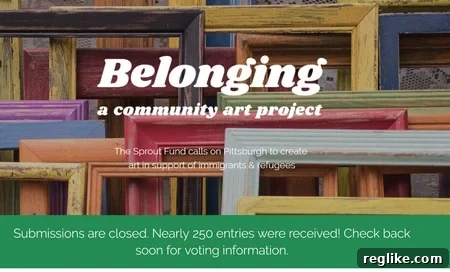
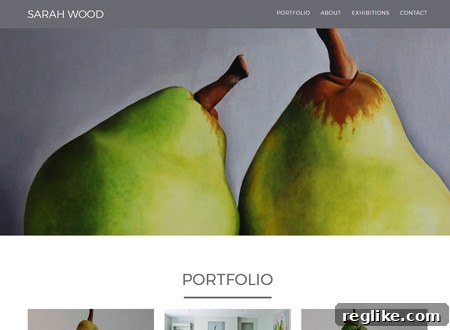
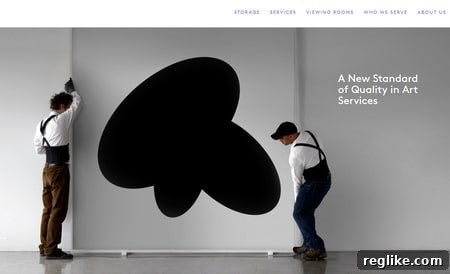
Beyond raw numbers and strategic observations, the true promise of any TLD lies in its active use. Early examples of developed .ART domains already demonstrate the versatility and creative potential this namespace offers, providing a glimpse into the vibrant ecosystem it aims to cultivate:
The Future Outlook for .ART
These initial observations paint a compelling picture of the .ART TLD’s early days. The registry’s bold premium pricing strategy appears to be successfully shaping a high-quality namespace, attracting genuine art-related entities and discouraging speculative registrations. With major brands like Apple on board, a clear focus from individual artists and galleries, and intriguing tests by industry innovators, .ART is poised to become a significant digital hub for the global art community. As more sites develop and the TLD matures, its impact on how art is presented, shared, and consumed online will undoubtedly grow, solidifying its place as a truly specialized and valuable corner of the internet.