
Safeguarding Your Digital Assets: A Comprehensive Guide to Protecting Valuable Domains with Keyword Lock
In the dynamic world of online real estate, owning a premium domain name is akin to possessing a valuable piece of property. Especially for those who hold dictionary word domains, their intrinsic value is undeniable, often commanding high prices in the secondary market. However, this immense value comes with a unique set of challenges and responsibilities. A common dictionary word, while inherently appealing for its memorability and relevance, frequently forms the core of established brands and trademarks. This intersection of generic appeal and specific brand identity creates a potential minefield for domain owners, particularly when it comes to domain parking and monetization strategies. Protecting these digital assets from inadvertent misuse, trademark disputes, and the display of irrelevant advertising is paramount for ensuring long-term value and peace of mind.
The Unseen Perils of Parking Premium Domains
The allure of dictionary word domains stems from their universal understanding and strong recall. Domains like “Travel.com,” “Money.com,” or “Fashion.com” instantly convey their purpose, making them highly desirable for businesses and individuals alike. Yet, this very strength can become a source of vulnerability. When such a domain is parked—meaning it’s not actively hosting a website but is displaying ads to generate revenue—the selection of these advertisements can inadvertently lead to significant legal and financial repercussions. The key issue lies in distinguishing between the generic, dictionary definition of a word and its specific, branded application.
The Double-Edged Sword of Dictionary Domains
Consider the example of “Apple.com.” If you owned this domain and displayed advertisements for fresh produce, there would be no issue, as this aligns with the generic definition of the word. However, if your parked page for “Apple.com” were to feature ads for smartphones, computers, or tablets, you would immediately run into severe problems. This scenario directly infringes upon the well-established trademark of Apple Inc. The intent behind your ad display might be purely for monetization, but the legal reality is that you are potentially benefiting from, or diluting, a major brand’s intellectual property. This distinction is critical and often overlooked by domain owners, leading to costly disputes.
Navigating the Minefield of Trademark Infringement
Trademark infringement is a serious legal matter. Companies invest vast resources in building their brands and protecting their trademarks. When a parked domain displays ads that directly or indirectly relate to a protected brand without authorization, it can trigger swift legal action. This often begins with a cease and desist letter, demanding the immediate removal of infringing content. Failure to comply can escalate to lawsuits, potentially resulting in substantial fines, legal fees, and even the loss of the domain name itself. The perceived innocence of merely displaying third-party ads offers little defense against such claims, making proactive protection measures indispensable.
The Impact of Irrelevant Advertising
Beyond legal risks, displaying irrelevant or misleading advertisements on your parked domain can also have detrimental effects on user experience and your domain’s reputation. Visitors landing on a parked page expect to find content or advertisements relevant to the domain’s perceived purpose. If “Camera.com” shows ads for automotive parts, users will quickly leave, leading to poor click-through rates and ultimately, diminished revenue. Moreover, a pattern of irrelevant or potentially infringing ads can tarnish the domain’s value and deter potential buyers who seek clean, unencumbered assets. Maintaining ad relevancy is not just a matter of ethics; it’s a fundamental aspect of maximizing legitimate monetization and preserving the long-term integrity of your domain investment.
Introducing Keyword Lock: Your Shield Against Domain Parking Hazards
Recognizing these critical challenges, leading domain registrars and platforms have developed sophisticated tools to empower domain owners. Uniregistry, a prominent name in the domain industry, offers an invaluable feature designed specifically to address these concerns: Keyword Lock. This innovative tool provides a robust solution for ensuring that your parked domain names display only those advertisements you intend, effectively mitigating the risks of trademark infringement and irrelevant content.
What is Keyword Lock?
Keyword Lock is a powerful setting within Uniregistry Market that allows domain owners to precisely control the categories of advertisements displayed on their parked pages. Instead of relying on automated ad matching that might misinterpret your domain’s context, Keyword Lock enables you to manually specify the overarching theme and sub-theme of your domain. By doing so, you can filter out ads that might be relevant to a brand but not to the generic meaning of your domain, or simply irrelevant to its core topic. This grants you unprecedented control over the monetization of your parked domains, turning a potential liability into a carefully managed asset.
Why Keyword Lock is Indispensable for Domain Owners
The benefits of implementing Keyword Lock extend far beyond mere compliance; they are integral to responsible and profitable domain ownership. By taking advantage of this feature, domain owners can gain peace of mind, knowing their investments are protected and optimized:
- Preventing Legal Disputes: The primary benefit is the significant reduction in the risk of trademark infringement. By explicitly excluding brand-specific ad categories, you safeguard yourself against costly legal battles and cease and desist orders.
- Ensuring Ad Relevancy: Keyword Lock allows you to align ads perfectly with your domain’s generic meaning, enhancing the user experience. Relevant ads lead to higher engagement, better click-through rates, and ultimately, greater revenue from your parked pages.
- Maximizing Legitimate Monetization: By ensuring ads are highly targeted and appropriate, you optimize your domain’s earning potential. Visitors are more likely to interact with ads that meet their expectations when landing on your domain.
- Protecting Domain Reputation: A domain consistently showing relevant and non-infringing ads maintains a positive image. This can be crucial for future sales, as buyers prefer domains with a clean history and strong monetization potential.
- Simplifying Domain Management: Instead of constantly monitoring ad content, Keyword Lock provides a set-and-forget solution (with periodic review) that automates ad filtering based on your chosen categories, saving time and effort.
- Enhancing User Trust: Visitors are more likely to trust domains that provide relevant content, even if it’s just ads on a parked page. This builds a positive relationship with your potential audience.
Step-by-Step Implementation: Activating Keyword Lock on Uniregistry Market
Implementing Keyword Lock is a straightforward process within the Uniregistry Market platform. By following these simple steps, you can quickly secure your valuable domains and optimize their parked page performance. It’s a proactive measure that takes only a few minutes but provides lasting benefits for your domain portfolio.
1. Access Your Domain Settings:
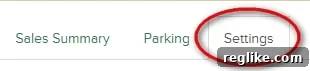
Begin by logging into your Uniregistry account. Once inside, navigate to the Uniregistry Market interface. From your list of domains, select the specific domain name you wish to protect with Keyword Lock. After selecting the domain, look for and click on the settings tab. This tab typically houses all the configuration options for your selected domain, from name servers to parking preferences.
2. Locate and Activate Keyword Lock:
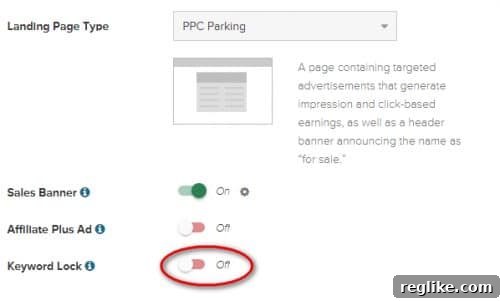
Within the settings tab, you will find various options for your domain. Scroll down the page until you locate the section labeled keyword lock. This feature is usually represented by a slider or a toggle switch. Click the slider or toggle to activate the Keyword Lock functionality. This action will enable the subsequent options that allow you to define your domain’s content categories.
3. Categorize Your Domain for Precision Targeting:
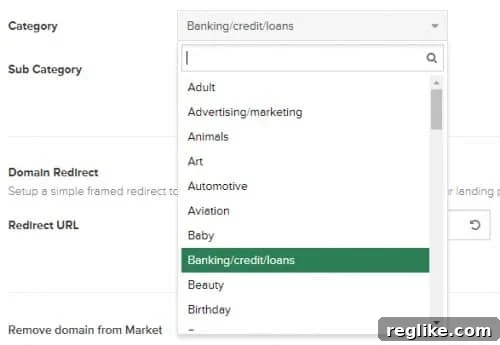
Once Keyword Lock is activated, you will be presented with a series of dropdown menus or selection boxes that allow you to choose a category and, subsequently, a subcategory that best matches your domain name’s generic meaning. This is the most crucial step, as your selections will directly influence the types of ads displayed. For instance, if your domain is “Photography.com,” you might select “Arts & Entertainment” as the main category and “Photography” or “Cameras” as the subcategory. It’s important to be as precise as possible to ensure maximum relevancy and avoid any potential brand conflicts. While the system offers a wide range of categories, it currently lacks a search functionality, so take your time to browse through the available options and make the most accurate choice.
4. Save Your Preferences and Observe the Change:
After carefully selecting the appropriate category and subcategory for your domain, it is imperative to click the “Save” button. This action will apply your new Keyword Lock settings. Within a few minutes, the changes should propagate, and your parked page will begin to display topic links and advertisements that are solely related to the category you have chosen. It’s a good practice to revisit your parked page after a short while to confirm that the ads are now accurately reflecting your specified preferences.
Beyond Keyword Lock: Holistic Domain Management Strategies
While Keyword Lock is an exceptionally valuable tool, it is part of a broader spectrum of best practices for responsible domain ownership. A holistic approach to domain management ensures that your digital assets are not only protected from specific threats but are also optimized for long-term growth and profitability.
The Importance of Proactive Domain Ownership
Domain ownership demands a proactive mindset. Regularly reviewing your domain’s parking settings, staying informed about evolving trademark laws, and being aware of popular brands that might share a common word with your domain are all critical. This vigilance helps you anticipate potential issues before they arise and adapt your strategies accordingly. Proactive owners are better positioned to protect their investments and avoid unnecessary complications.
Maximizing Legitimate Domain Monetization
The goal of parking a domain is often monetization. By using tools like Keyword Lock, you ensure that the ads displayed are highly relevant to your domain’s generic context. This relevancy directly translates into higher click-through rates and, consequently, greater revenue. Irrelevant or conflicting ads not only pose legal risks but also dilute your earning potential. Optimizing ad relevancy is key to turning your parked domains into efficient, legitimate income streams.
Building a Positive Online Presence
Every domain, even when parked, contributes to the broader online ecosystem. By ensuring that your domains present relevant and non-infringing content, you contribute to a more trustworthy and user-friendly internet. This commitment to quality and ethical practices reflects positively on your domain portfolio and enhances its overall value and appeal to potential buyers or partners in the future. A well-managed domain is a valuable asset that builds trust and maintains its integrity in the digital landscape.
Conclusion: Secure Your Investments, Optimize Your Returns
In conclusion, the ownership of valuable dictionary word domains presents a unique blend of opportunity and risk. While these domains are highly sought after for their inherent value and strong recall, they also require diligent management to avoid potential pitfalls such as trademark infringement and the display of irrelevant advertising. Uniregistry’s Keyword Lock feature emerges as an indispensable tool for every domain owner, offering a simple yet powerful way to control ad content on parked pages.
By precisely categorizing your domains, you can effectively safeguard your investments, prevent legal complications, enhance user experience, and maximize legitimate monetization. Taking the few minutes required to implement Keyword Lock is a small investment of time that yields significant returns in peace of mind and financial security. Embrace proactive domain management today, leverage tools like Keyword Lock, and ensure that your valuable digital assets remain protected, profitable, and pristine.