
Betting platform created fake site to help influencers fake wins on its real site.

The Wall Street Journal published a report this weekend describing how the prediction-market platform Polymarket allegedly worked with social media influencers to stage winning bets. According to the report, several creators posted videos showing large payouts from Polymarket, but investigators found that many of those bets were not placed on the platform’s live, public site.
The report opens with the case of George Makihara, a college student whose social videos portrayed him making a series of high-value wagers. One clip showed him celebrating a $100,000 win on a bet tied to a public remark by a political figure. Across multiple videos from January through mid-May, Makihara appeared to place roughly 145 bets, with the clips implying total stakes of nearly $410,000.
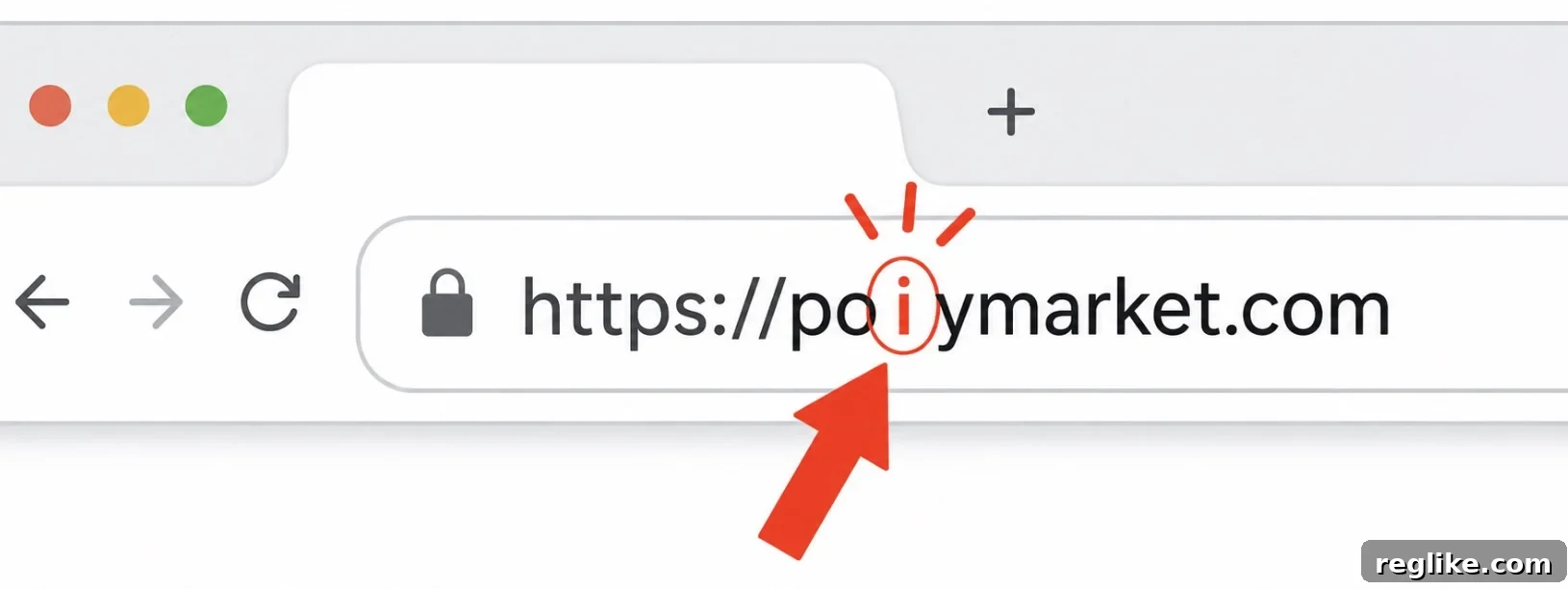
But the Wall Street Journal’s investigation concluded that those bets were not real transactions on Polymarket’s main exchange. Instead, the story says the company created a separate, look-alike site to enable influencers to simulate successful bets for their audiences. The duplicate site reportedly used a domain that differed from Polymarket’s official address by a single character — replacing an “l” with an “i” — so that, when styled and capitalized in a browser, it could be mistaken for the legitimate platform at a glance.
Registering typo domains is a common defensive practice that companies sometimes use to protect their brand or to prevent malicious actors from capturing traffic intended for the official site. What makes this case notable is the claim that the typo domain was used actively to stage promotional content rather than merely to block look-alikes. If accurate, the tactic would represent a deliberate effort to produce fabricated evidence of successful betting activity for marketing purposes.
The implications are both practical and reputational. For social media viewers, videos showing outsized wins can be persuasive, suggesting that the platform reliably pays out big rewards and that making similar bets is a straightforward way to achieve comparable returns. For the platform itself, orchestrating staged wins raises questions about transparency and the boundaries of acceptable promotional activity. It also complicates efforts to assess how much of the content influencing public perception of a market is genuine.
Observers and regulators may look at such marketing schemes through multiple lenses — consumer protection, advertising standards, and, in some cases, gambling or betting regulations. The Wall Street Journal noted another context that could affect regulatory attention: a prominent investor connection. Donald Trump Jr. is identified in the reporting as an investor in the company and as a member of its advisory board. That affiliation may influence the speed or intensity of any official response, though it does not itself determine whether any laws were broken.
At the same time, the details available publicly are limited to the accounts presented in the investigation. The report claims a pattern of staged content enabled by the look-alike domain, but it does not present evidence that every influencer video was contrived or that no legitimate bets were placed by creators. Distinguishing between authentic user activity and manufactured promotional material is central to understanding the full scope of the issue.
For consumers and creators, the episode is a reminder to approach social-media endorsements with caution. Viral videos of dramatic wins can be produced in many ways, and the presence of a branded interface in a clip does not guarantee the action shown occurred on the live version of a platform. Platforms that host prediction markets or betting products must balance marketing and growth strategies against the need for clear disclosure and honest representation of how their services operate.
As the situation develops, observers may watch for statements from the company itself and for any responses from regulatory bodies or industry groups. Meanwhile, the report highlights how small technical differences — a single character in a domain name — can be used to shape perceptions in the digital age, and how those choices can carry broader consequences for trust and accountability online.