
Rakuten’s Bold Rebranding: Unifying Global Presence by Phasing Out Play.com and Buy.com
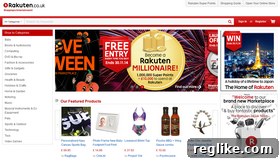
In an increasingly interconnected global marketplace, the strategy behind brand identity and market presence is paramount. Japanese e-commerce giant Rakuten has embarked on a bold and, for many, perplexing journey: to consolidate its global operations under a single, unified Rakuten brand. This strategic move involves discontinuing the use of highly recognizable and established local brand names and their associated domain names in favor of its own corporate identity. The most recent and significant manifestation of this strategy is the planned phasing out of the beloved Play.com brand in the UK, mirroring an earlier decision regarding Buy.com in the United States.
Rakuten, a formidable player often referred to as “the Amazon of Japan,” has built a vast empire through strategic acquisitions across various markets. These acquisitions often came with valuable, well-known brand names and domain assets that held considerable equity with local consumers. The decision to retire such assets, rather than leverage their existing popularity, marks a significant departure from conventional wisdom in brand management. It signals a long-term vision focused on global uniformity, potentially at the expense of immediate market recognition and consumer familiarity in specific regions.
The transition for Play.com, a prominent e-commerce platform in the United Kingdom, is now underway. Acquired by Rakuten in 2011, Play.com quickly became a cornerstone of Rakuten’s European expansion. For years, Play.com served as a go-to destination for UK consumers seeking a wide range of entertainment products, electronics, and general merchandise. Its domain, Play.com, was intuitive, memorable, and deeply embedded in the online shopping habits of millions. However, the company is now preparing to drop the Play.com brand entirely, with its traffic soon to be redirected to Rakuten.co.uk. This shift represents not merely a cosmetic change, but a profound alteration in how Rakuten aims to interact with its UK customer base.
The implications of such a change are multifaceted. For existing Play.com customers, the transition may initially cause confusion. A brand they have grown to trust and associate with specific product categories and service levels will effectively disappear, replaced by a name that, while globally significant, lacks the same household recognition in the UK. This necessitates a substantial investment in marketing and customer education to re-establish trust and loyalty under the new brand. For merchants who relied on Play.com’s established customer base, the transition poses questions about visibility and the potential disruption of established sales channels.
This move is not an isolated incident but rather a continuation of a pattern established previously in North America. Just a year prior, Rakuten made a similar decision concerning Buy.com. Acquired in 2010, Buy.com was a long-standing e-commerce player in the United States, boasting a strong domain and a loyal customer following. Despite its established presence, Rakuten opted to retire the Buy.com brand, forwarding its domain to Rakuten.com. This decision garnered significant attention and, in some circles, considerable criticism, with one notable article from Inc. magazine famously dubbing it the “World’s Dumbest Rebrand.” The sentiment behind such strong language stemmed from the perceived waste of invaluable brand equity and a well-known, generic domain name that perfectly encapsulated its purpose.
The concerns raised by the Buy.com switch are equally, if not more, pertinent to the Play.com situation. Play.com maintained a robust following in the UK, a brand that resonated deeply within its target demographic. Its name was not just a domain; it was a promise of entertainment, a familiar portal to digital and physical media. To abandon such a popular and well-understood brand for one that is, outside of Asia, still striving for mainstream recognition, presents a considerable strategic gamble. While Rakuten is a titan in its home market, its brand cachet in Western economies is still under development, making the reliance on its own name a bold, unproven bet.
So, what motivates Rakuten to undertake such a potentially disruptive strategy? The primary driver appears to be a clear ambition to build a singular, globally recognized brand. In an era dominated by global e-commerce titans like Amazon and eBay, a unified brand identity can offer significant advantages. It streamlines marketing efforts, allows for consistent brand messaging across diverse markets, and potentially fosters a more cohesive global customer experience. By operating under one banner, Rakuten aims to create a powerful, instantly recognizable identity that transcends geographical boundaries, leveraging its immense financial and technological resources to elevate the Rakuten name to global prominence.
Furthermore, a unified brand can facilitate cross-border shopping and services, allowing customers to perceive Rakuten as a single entity regardless of their location. This vision aligns with the broader trend of globalized e-commerce, where consumers increasingly expect seamless access to international products and services. From Rakuten’s perspective, sacrificing established local brands in the short term might be seen as a necessary step to achieve long-term global brand equity, establishing itself as a legitimate challenger to the world’s most dominant online retailers. The intention is undoubtedly to “be the brand,” embedding the Rakuten name directly into the consciousness of consumers worldwide.
However, the path to global brand dominance through this strategy is fraught with challenges. One of the most significant is the loss of existing brand equity. Play.com and Buy.com were not merely websites; they were trusted names with years of accumulated goodwill, customer loyalty, and organic search visibility. Abandoning these assets means effectively starting from scratch in terms of brand building and SEO for the new Rakuten-branded domains. While 301 redirects will pass some link equity, there’s always a risk of temporary dips in search engine rankings and a loss of direct, type-in traffic from users accustomed to the old domains. The cost of re-educating millions of consumers about a new brand name, its offerings, and its value proposition can be enormous, requiring substantial marketing budgets and sustained effort.
Another critical consideration is cultural resonance. Brands often succeed because they connect with local sensibilities and existing market dynamics. Play.com, for instance, had a distinct brand personality that resonated with UK consumers, particularly those interested in entertainment. Rakuten, a Japanese name, may not immediately evoke the same emotional connection or familiarity in Western markets. The challenge lies in translating a successful Asian brand identity into a compelling narrative for diverse Western audiences without losing the essence of what made the acquired local brands popular in the first place. This requires not just marketing spend, but also a deep understanding of local consumer psychology and market preferences.
The competitive landscape of e-commerce also plays a crucial role. In markets already saturated with dominant players like Amazon, eBay, and countless niche retailers, introducing a relatively unknown brand requires exceptional differentiation and a compelling value proposition. While Rakuten offers a vast marketplace, the initial hurdle of convincing consumers to switch from their established shopping habits to a new, unfamiliar platform is substantial. The success of this rebranding will hinge on Rakuten’s ability to not only communicate its brand identity but also to offer a superior shopping experience, competitive pricing, and robust customer service that can overcome the initial resistance to change.
Looking at general rebranding best practices, successful transitions often involve phased approaches, extensive market research, and clear communication strategies. Abrupt changes, particularly those that discard popular existing brands, tend to generate confusion and can alienate loyal customers. While Rakuten is clearly committed to its long-term vision, the speed and decisiveness of these rebrands suggest a strategic imperative that prioritizes global uniformity over a more gradual, localized integration. The ultimate success or failure of this strategy will be a fascinating case study for brand managers and e-commerce strategists worldwide.
In conclusion, Rakuten’s decision to sunset popular brands like Play.com and Buy.com in favor of a unified Rakuten identity is a testament to its ambitious global aspirations. It’s a bold move, indicative of a company willing to take significant short-term risks for what it perceives as long-term strategic benefits. The aim is clear: to establish Rakuten as a truly global household name, competing directly with the world’s largest e-commerce platforms. However, this strategy comes with considerable challenges, including the erosion of established brand equity, the formidable task of building new brand recognition in unfamiliar territories, and potential SEO hurdles. Whether Rakuten’s vision of a single, powerful global brand will ultimately triumph over the immediate challenges of abandoning popular local identities remains to be seen, but it undoubtedly marks a pivotal moment in the evolution of international e-commerce branding. The world watches to see if this audacious rebranding will pay off, transforming Rakuten from a regional powerhouse into an undeniable global force. (Thanks @mneylon)