
Protecting a Digital Legacy: Rush Limbaugh Estate Sues Former Contractor for Cybersquatting and Trademark Infringement
In an increasingly digital world, the protection of one’s legacy and intellectual property extends far beyond traditional media. A high-profile legal battle underscores this reality, as the Estate of Rush H. Limbaugh III has initiated a lawsuit against a former technology contractor and associated entities. The legal action targets The Rush Legacy, Inc., Smschaef, LLC, and its principal, Scott Schaefer, alleging a series of severe infringements including cybersquatting, trademark infringement, and the misappropriation of critical domain names affiliated with the late broadcasting icon.
The Heart of the Dispute: Allegations Against Former Contractor
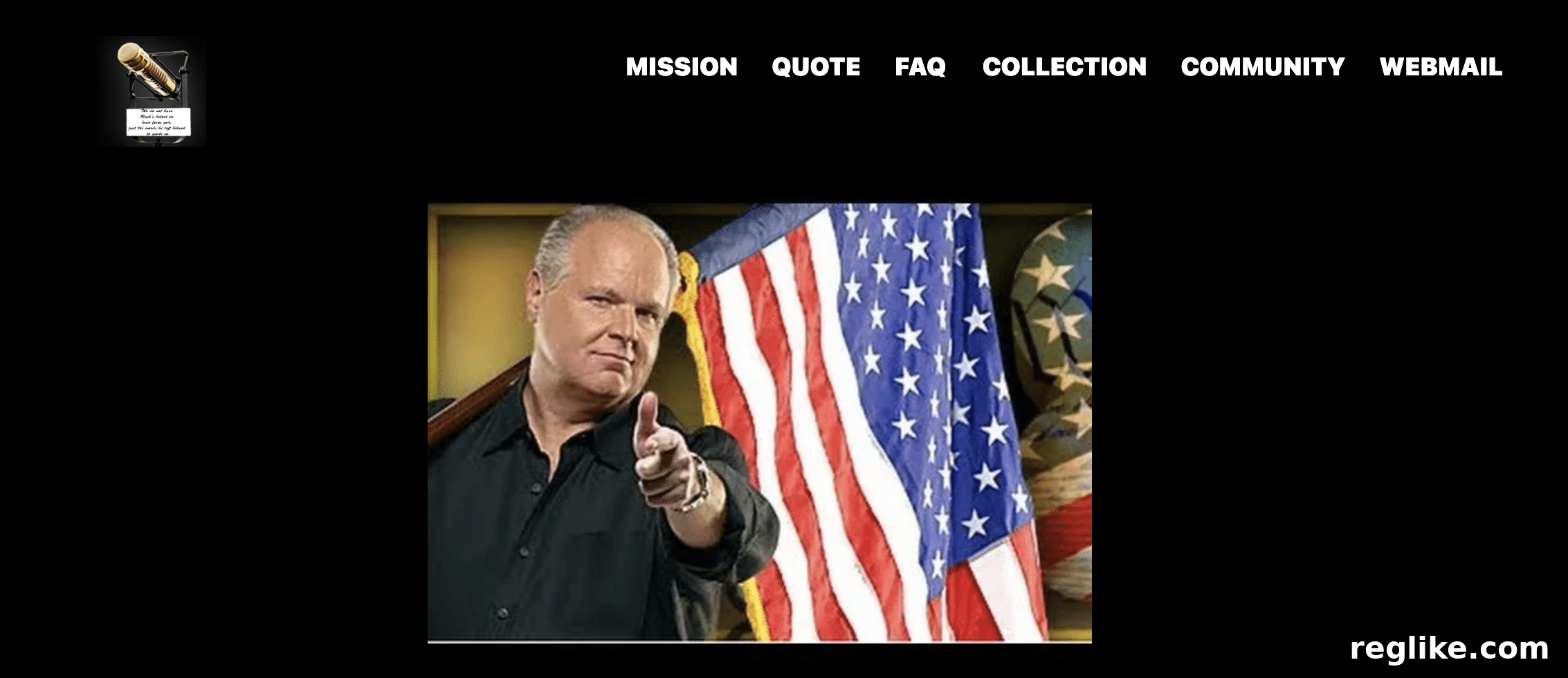
The core of the estate’s complaint revolves around the operation of EIBLegacy.com, a website run by the defendants. This platform is accused of offering paid content and even Rush Limbaugh-related Non-Fungible Tokens (NFTs). The choice of “EIB” is particularly contentious, as it directly references “Excellence In Broadcasting Radio Network” (EIB), Limbaugh’s well-known production company. This connection suggests an intent to associate the defendant’s offerings with Limbaugh’s established brand, potentially misleading consumers and diluting the value of the estate’s genuine intellectual property.
Scott Schaefer’s Role and the Contested Domains
Scott Schaefer, central to the defense, previously served as a technology contractor for Rush Limbaugh. During his tenure, Schaefer was responsible for registering key domain names: EIBnet.com and EIBnet.us. These domains were reportedly used for email services crucial to Limbaugh’s operations. The Estate now claims that Schaefer has improperly asserted and maintained control over these domains, despite their original purpose and affiliation with Limbaugh’s enterprise. This claim forms a significant part of the misappropriation allegations, highlighting a dispute over ownership that stems from a prior professional relationship.
The complexity of domain ownership, especially when registered by a contractor on behalf of a client, often leads to such legal entanglements. The Estate’s position is that these domains were always intended for and belonged to Limbaugh, or his company, regardless of who physically registered them. Schaefer, conversely, argued in a separate Uniform Domain-Name Dispute-Resolution Policy (UDRP) proceeding that these domains were never Limbaugh’s property. The UDRP, an administrative process designed for swift resolution of domain name disputes, was ultimately terminated due to the initiation of the broader federal lawsuit, pushing the dispute into the more comprehensive and often lengthier realm of judicial review.
Understanding the Legal Claims
Cybersquatting: A Deliberate Act of Bad Faith
One of the primary accusations leveled against the defendants is cybersquatting. Cybersquatting refers to the practice of registering, trafficking in, or using a domain name with the bad-faith intent to profit from the goodwill of a trademark belonging to someone else. In this context, the Estate alleges that the registration and use of EIBLegacy.com, EIBnet.com, and EIBnet.us by the defendants constitute cybersquatting. The “bad-faith intent” is a critical element here, suggesting that Schaefer and his entities aimed to capitalize on the established fame and brand recognition of Rush Limbaugh and his “EIB” brand.
The Anticybersquatting Consumer Protection Act (ACPA) in the United States provides recourse for trademark owners against such practices. To prove cybersquatting under the ACPA, the Estate would typically need to demonstrate that:
- Their mark (e.g., “Rush Limbaugh,” “EIB”) is distinctive or famous.
- The domain names are identical or confusingly similar to their mark.
- The defendant registered, trafficked in, or used the domain name with a bad-faith intent to profit.
The ongoing operation of EIBLegacy.com, offering paid content and NFTs, could be presented as evidence of this alleged intent to profit directly from Limbaugh’s brand without authorization.
Trademark Infringement and False Designation of Origin
Beyond cybersquatting, the lawsuit also includes claims of trademark infringement and false designation of origin. Trademark infringement occurs when one party uses a trademark that is identical or confusingly similar to a trademark owned by another party, in connection with goods or services that are identical or similar to the goods or services that the trademark owner provides. The Estate argues that the defendants’ use of “EIB” in “EIBLegacy.com” and in relation to their offerings directly infringes on the “Excellence In Broadcasting” mark associated with Limbaugh.
Furthermore, the claim of “false designation of origin” suggests that the defendants’ website and its content are designed to mislead the public into believing that EIBLegacy.com is either officially endorsed by, affiliated with, or originating from the Rush Limbaugh Estate. This can cause significant harm to the trademark owner by diverting potential customers or supporters and by diluting the brand’s authenticity. For a public figure like Rush Limbaugh, whose brand was synonymous with his unique voice and political commentary, maintaining control over his name and likeness is paramount to preserving his legacy and ensuring that his fans are not deceived by unauthorized ventures.
The sale of “Rush-related NFTs” on EIBLegacy.com is particularly relevant to these claims. NFTs, or Non-Fungible Tokens, are unique digital assets often associated with specific media or content. If these NFTs purport to represent or be officially sanctioned by Rush Limbaugh, but are not, they could strongly bolster the claims of trademark infringement and false designation of origin, as they directly involve the commercial exploitation of his image and brand without permission.
The Broader Implications for Digital Legacies and IP Protection
This lawsuit serves as a poignant reminder of the evolving landscape of intellectual property rights in the digital age. As more individuals build significant online presences and legacies, the challenge of protecting these assets posthumously grows. The case highlights several critical considerations:
- Contractual Clarity: The dispute over EIBnet.com and EIBnet.us underscores the vital importance of clear, comprehensive contractual agreements with technology contractors, especially regarding domain name registration and ownership. Ambiguity in these contracts can lead to costly and protracted legal battles.
- Digital Asset Management: For estates of public figures, proactive management of digital assets, including domain names, social media accounts, and digital content, is crucial to prevent unauthorized use and exploitation.
- The Rise of NFTs: The inclusion of NFTs in the allegations signals a new frontier for intellectual property litigation. The unauthorized creation and sale of NFTs tied to a famous personality’s name or likeness can constitute significant infringement, prompting estates to be vigilant in monitoring this emerging market.
- Protecting Public Figures’ Likenesses: The unauthorized use of Limbaugh’s name and likeness touches upon rights of publicity, which protect individuals from the commercial exploitation of their identity without consent. This right generally survives the individual and passes to their heirs or estate.
The Rush Limbaugh Estate’s lawsuit is not merely about a few domain names; it’s a testament to the comprehensive effort required to safeguard a prominent individual’s identity, brand, and digital footprint against unauthorized commercial ventures. It sends a clear message that a legacy, especially one built on decades of public exposure, remains a valuable asset that estates are prepared to defend rigorously in the courts.
As the legal proceedings unfold, the outcome will undoubtedly set precedents and provide further guidance for how intellectual property rights are interpreted and enforced in the complex intersection of digital technology, celebrity legacy, and commercial enterprise. The case illustrates the ongoing struggle for control over narratives and assets in an era where digital presence is as significant, if not more so, than physical presence. Protecting the “Excellence In Broadcasting” legacy means asserting control over every digital facet associated with Rush Limbaugh.