
Navigating Domain Acquisitions: The Indispensable Role of Contracts
In the burgeoning digital economy, a domain name is far more than just a web address; it’s a critical piece of intellectual property and a cornerstone of any modern business’s online presence. For many enterprises, especially larger corporations and those engaging in high-value transactions, the acquisition of a domain name is not a simple, click-and-buy process. It is often a sophisticated negotiation that necessitates a legally binding contract. These agreements serve as vital safeguards, ensuring clarity, protecting investments, and mitigating potential risks for both buyers and sellers.
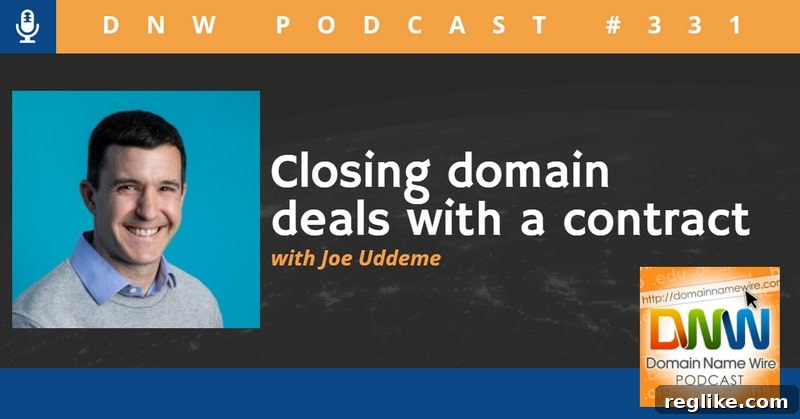
Joe Uddeme, a seasoned expert from Name Experts, stands as a testament to the complexities and nuances of domain transactions. With an extensive background in brokering countless domain deals, Uddeme offers invaluable insights into the contractual landscape of domain acquisitions. His experience highlights when and why contracts become non-negotiable, and what specific elements demand careful negotiation to secure a successful and secure transfer of ownership.
Why Contracts Are Essential in Domain Name Purchases
The decision to utilize a contract for a domain name purchase often stems from the inherent value and legal implications associated with these digital assets. Unlike buying a physical product, a domain name carries with it a unique set of potential challenges, including ownership disputes, intellectual property conflicts, and transfer complexities. A well-drafted contract addresses these concerns head-on, providing a clear framework for the transaction.
Legal Clarity and Protection: At its core, a contract provides legal clarity. It explicitly defines the buyer, seller, the domain name in question, the purchase price, and the terms of payment. This eliminates ambiguity and provides a legal recourse should either party fail to uphold their end of the bargain. For businesses, this legal protection is paramount, safeguarding their investment and ensuring continuity of their online operations.
Risk Mitigation: Domain acquisitions, particularly those involving premium names or established brands, carry inherent risks. These can include prior ownership claims, undisclosed liens, or even the potential for the domain to be associated with past illicit activities. A comprehensive contract includes representations and warranties from the seller, guaranteeing clear title and freedom from encumbrances. This significantly reduces the buyer’s exposure to future legal challenges and financial liabilities.
Defining Transfer Protocols: The technical transfer of a domain name can be intricate, involving changes in registrars, DNS settings, and WHOIS information. A contract specifies the exact steps for transfer, the timeline for completion, and the responsibilities of each party throughout the process. This structured approach minimizes delays and ensures a smooth transition of control, preventing potential downtime or operational disruptions for the buyer.
Confidentiality and Strategic Acquisitions: For many businesses, the acquisition of a specific domain name might be a strategic move that needs to remain confidential until a public announcement is made. Contracts can include non-disclosure agreements (NDAs) that legally bind both parties to secrecy, protecting the strategic interests and competitive advantage of the buyer.
Key Negotiation Points in Domain Contracts: Insights from Joe Uddeme
Joe Uddeme, through his work at Name Experts, has identified several critical areas that frequently become focal points during contract negotiations. Understanding these elements is crucial for anyone involved in buying or selling a significant domain name.
Liability
One of the most significant aspects of domain contracts revolves around liability. Buyers need assurance that they are acquiring a “clean” domain, free from any past legal entanglements. Uddeme emphasizes the importance of negotiating clauses that protect the buyer from liabilities arising from the domain’s prior use. This includes:
- Indemnification Clauses: These stipulate that the seller will compensate the buyer for any losses, damages, or legal expenses incurred due to issues originating before the transfer date. This could cover intellectual property infringement claims, legal disputes over previous content, or even data privacy breaches if associated with past domain usage.
- Representations and Warranties: The seller must formally represent that they are the rightful owner, that the domain is free from any liens or encumbrances, and that its use does not infringe on any third-party rights. These are not merely statements but legally binding promises.
Conversely, sellers need to ensure their liability is appropriately limited post-sale, usually by specifying a clear cutoff point for responsibility and ensuring all known issues are disclosed upfront.
Trademarks
The intersection of domain names and trademarks is a fertile ground for disputes, making it a critical negotiation point. A domain name might inadvertently infringe on an existing trademark, leading to costly legal battles and potential loss of the domain. Uddeme advises meticulous attention to:
- Trademark Clearance: Buyers should conduct thorough trademark searches to identify potential conflicts. The contract can stipulate that the seller warrants the domain does not infringe upon any registered trademarks in specified jurisdictions.
- IP Ownership: For domain names that are themselves brand names or closely related to specific intellectual property, the contract must clearly define the transfer of all associated rights, not just the domain registration itself. This is particularly relevant when acquiring domains from individuals or entities that might hold other related IP.
- Dispute Resolution for Trademarks: Should a trademark dispute arise post-acquisition, the contract can outline the preferred method of resolution, such as arbitration or mediation, to avoid lengthy court proceedings.
Payment Terms and Escrow
While seemingly straightforward, the financial aspects of a domain deal require precise contractual definition. This includes the exact purchase price, the currency, payment schedule (lump sum vs. installments), and the critical role of escrow services. Escrow.com or similar reputable services act as neutral third parties, holding the funds until the domain transfer is successfully completed, thereby protecting both buyer and seller from fraud.
Transfer Process and Timelines
The contract should detail the step-by-step process of the domain transfer, including who initiates the transfer, the required technical information, and specific timelines for each stage. Clear deadlines are essential to prevent the transaction from stalling indefinitely.
Confidentiality
For high-profile or strategically sensitive acquisitions, confidentiality clauses are paramount. These provisions ensure that details of the transaction, including the parties involved and the purchase price, remain private, protecting the business interests of both buyer and seller.
When are Contracts Usually Required?
While smaller, low-value domain transactions might occasionally proceed without a formal contract, Uddeme emphasizes that contracts are almost universally required in several scenarios:
- High-Value Domains: Any domain name commanding a significant price tag, whether five, six, or seven figures, necessitates a comprehensive legal agreement to protect the substantial investment.
- Corporate Buyers: Large businesses, due to their internal governance, risk management policies, and legal departments, almost always mandate contracts for domain acquisitions, even for moderately priced names.
- Complex Transactions: Deals involving multiple domains, associated websites, intellectual property rights, or specific usage agreements demand detailed contracts.
- International Transactions: When buyers and sellers are in different countries, contracts become even more critical to clarify governing law, jurisdiction, and dispute resolution mechanisms.
- Brandable Domains: When acquiring a domain specifically for a new brand, ensuring its uniqueness and freedom from trademark conflicts requires careful contractual provisions.
Beyond the Contract: Broader Domain Market Insights
The Domain Name Wire podcast episode featuring Joe Uddeme also touched upon several other pertinent topics, reflecting the dynamic nature of the domain industry.
Tool of the Week: NameBio Categories
NameBio is an indispensable resource for domain investors, brokers, and buyers alike. Its robust database of historical domain sales allows users to research past transactions, understand market trends, and accurately value domain names. The utility of NameBio’s categories is particularly noteworthy, enabling users to filter sales data by domain extension, keywords, length, and more. This granular data empowers better decision-making, helping to identify lucrative niches or benchmark a domain’s worth against comparable sales.
Industry News: France.com, Nominet, BrandBucket, and More
The domain industry is constantly evolving, with significant events shaping its landscape. Discussions often include high-profile cases like the dispute surrounding France.com, which underscored the complexities of sovereign claims over geographical domains and trademark rights. Registry policies, such as those set by Nominet (the registry for .uk domains), also have a profound impact on domain ownership, transfer processes, and dispute resolution within specific top-level domains. Furthermore, platforms like BrandBucket highlight the growing market for premium, brandable domain names, offering curated inventories that appeal to startups and businesses seeking distinct online identities.
Sponsor Spotlight: DAN.com
The podcast’s sponsor, DAN.com, represents another crucial facet of the domain aftermarket. As a leading platform for buying, selling, and leasing domain names, DAN.com simplifies transactions with streamlined processes, integrated escrow services, and transparent pricing. Platforms like DAN.com play a significant role in facilitating both simple and complex domain transfers, often serving as the technological backbone that supports the contractual agreements discussed by experts like Joe Uddeme.
Conclusion
The world of domain name acquisition is multifaceted, requiring not just technical understanding but also sharp legal acumen. As Joe Uddeme expertly illustrates, contracts are not merely bureaucratic hurdles but indispensable tools that provide structure, security, and peace of mind in domain transactions. Whether you are a small business acquiring your first domain or a large corporation undertaking a strategic rebrand, understanding the importance of a comprehensive contract—and knowing which points to negotiate—is crucial for safeguarding your digital assets. The insights shared by seasoned brokers like Uddeme, combined with valuable industry resources and platforms, collectively empower individuals and businesses to navigate this complex landscape successfully.
For a deeper dive into these critical topics, listening to the full interview with Joe Uddeme is highly recommended.
Podcast: Play in new window | Download (Duration: 33:28 — 26.8MB)
Subscribe: Email | RSS
Subscribe via Apple Podcasts to listen to the Domain Name Wire podcast on your iPhone or iPad. (Listen to previous podcasts here.)