
The Digital Footprint of Fame: A Deep Dive into Celebrity Domain Ownership
In an increasingly digital world, a celebrity’s online presence is as crucial as their public image. From connecting directly with fans to controlling personal narratives and monetizing their brand, a strong digital foundation is non-negotiable. But how effectively are some of the world’s most famous individuals securing their unique digital real estate?
The company behind the innovative .Fans top-level domain name recently undertook an insightful study, meticulously analyzing the domain ownership patterns of top athletes, actors, and musicians. Their findings, shared on their official blog, shed light on surprising disparities and common trends in how celebrities manage their digital identity, particularly concerning their FirstnameLastname.com domains.
This comprehensive analysis not only answers fundamental questions like “How many top sports stars own FirstnameLastname.com?” but also uncovers deeper insights into the strategic, and often overlooked, aspects of online branding in the entertainment and sports industries. The data reveals a fascinating landscape where some sectors are digitally adept, while others lag, creating significant opportunities and challenges.
Athlete Domains: A Tale of Two Sports
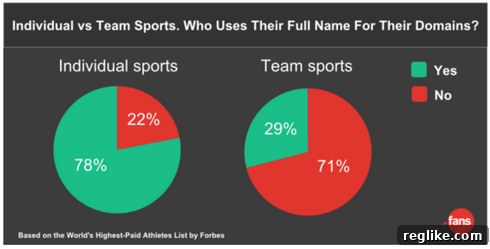
One of the most striking revelations from the .Fans registry’s research concerns the world of sports. The study highlighted a significant disparity in domain ownership between players of individual sports and those involved in team sports, particularly among the top 100 highest-paid athletes globally.
- Individual Sport Dominance: A remarkable 78% of athletes in individual sports, such as tennis, golf, and auto racing, have secured their FirstnameLastname.com domain. This high percentage underscores the personal brand-centric nature of these sports. For athletes competing individually, their name is their primary brand. A personal domain serves as a central hub for fan engagement, endorsement deals, merchandise sales, and direct communication, offering unparalleled control over their public narrative. It’s their digital headquarters, essential for managing a career that often relies heavily on individual sponsorships and direct fan support rather than team-centric marketing efforts.
- Team Sport Lag: In stark contrast, only 29% of players in team sports, like baseball, basketball, and football, own their FirstnameLastname.com domain. This significantly lower figure suggests that team athletes might rely more on their team’s official websites, league platforms, or major social media channels for their online presence. While teams and leagues provide substantial marketing and fan engagement infrastructure, the absence of a personal domain can mean a lost opportunity for individual branding, direct fan monetization, and complete control over their digital narrative. It raises questions about how well team sports athletes are positioned to capitalize on their individual fame outside the collective identity of their clubs.
This divergence indicates a clear strategic difference in digital asset management. Individual athletes seem to intuitively grasp the value of owning their name online, treating it as a cornerstone of their professional identity. Team athletes, while often household names, appear to delegate or overlook this crucial aspect, potentially missing out on direct-to-fan opportunities and long-term brand building independent of their current team affiliation.
The Rise of Third-Party Fan Sites and Control Over Digital Narratives
Beyond direct ownership, the study also touched upon the pervasive presence of third-party fan sites. For top actors and actresses, nearly 15% of FirstLast.com domain names are dedicated to fan-operated websites. This phenomenon presents both advantages and disadvantages for the celebrities involved.
On one hand, third-party fan sites are a testament to devoted fan bases. They often represent passionate communities that celebrate a celebrity’s work, share news, and foster interaction among admirers. Such organic fan-driven initiatives can be incredibly valuable, amplifying a celebrity’s reach and cultivating a strong sense of community around their persona. These sites frequently offer unique content, discussions, and archives that officially managed platforms might not prioritize.
However, the existence of a high percentage of third-party fan sites on a celebrity’s primary personal domain also highlights a significant challenge: control. When a celebrity’s FirstnameLastname.com is run by someone else, there’s a potential for misinformation, outdated content, or even commercial exploitation that isn’t aligned with the celebrity’s brand. It can dilute their official messaging and make it harder for fans to find authoritative information directly from their idol. Securing one’s own personal domain allows for direct messaging, official announcements, direct merchandise sales, and ensures that the narrative and branding are precisely as the celebrity or their management intends.
This data point underscores the ongoing battle for digital real estate and the importance of proactive domain acquisition for celebrities seeking to maintain a consistent and controlled online presence.
Music Artists vs. Actors: A Digital Identity Divide
Perhaps one of the most surprising findings is the stark contrast in domain ownership between music artists and actors, hinting at different industry practices and priorities in digital branding.
- Musicians Lead the Way: An impressive 66% of top music artists own their FirstLast.com, .net, or .org domain names. This high percentage reflects the music industry’s strong emphasis on direct-to-fan engagement. Musicians frequently use their personal domains to promote albums, sell merchandise, announce tour dates, share exclusive content, and interact directly with their audience, bypassing traditional gatekeepers. The internet has fundamentally reshaped the music industry, empowering artists to build direct relationships with their fans, and a personal domain is a cornerstone of this strategy. It serves as a comprehensive digital hub for their entire career, from new releases to fan club sign-ups.
- Actors Lag Behind: In stark contrast, only 16% of top actors and actresses have secured their FirstLast.com, .net, or .org domain. This significantly lower figure suggests a different approach to digital identity in the acting world. Actors often rely on agency websites, industry databases like IMDb, and major social media platforms (Instagram, Twitter) to manage their public profiles. While these platforms are crucial for visibility, they offer less control and flexibility than a personal domain. This disparity might stem from the project-based nature of acting careers, where focus shifts from film to film or show to show, and management often handles public relations. However, neglecting a personal domain could mean missed opportunities for long-term personal brand building, direct fan engagement beyond specific projects, and alternative monetization streams.
The digital divide between these two creative industries is pronounced. While musicians have largely embraced direct digital ownership as essential for career longevity and fan connection, actors appear to be more reliant on third-party platforms. This trend highlights a potential area for growth and strategic re-evaluation within the acting profession regarding digital brand management and direct audience engagement.
The Domain Resale Market: Unclaimed Digital Gold
Another fascinating insight from the .Fans study is the significant number of top celebrity domains available for purchase on the secondary market. Specifically, 25% of the FirstLast.com names corresponding to the top 100 actors and actresses are currently listed for sale.
This statistic points to several possibilities. In some cases, these domains might have been acquired speculatively by “domainers” or “cybersquatters” who registered the names hoping a famous individual or their representatives would eventually pay a premium to acquire them. For celebrities, discovering their personal domain is held by a third party can lead to costly and time-consuming negotiations or even legal battles to reclaim what many would consider their inherent digital identity.
In other instances, these domains might be available simply because the celebrity or their management team has not yet recognized the full value of owning their personal name online. This oversight creates an open market for anyone to register these valuable pieces of digital real estate, potentially leading to brand dilution or, as seen with third-party fan sites, a loss of control over their narrative.
The fact that a quarter of these highly sought-after domains are for sale underscores a critical gap in digital asset management for many in the acting profession. It highlights the missed opportunity for establishing an early, authoritative online presence and the potential for others to capitalize on a celebrity’s fame through their unclaimed digital identifiers. For new and emerging talent, this serves as a potent reminder of the importance of securing essential online assets early in their careers.
Graphic courtesy of .Fans
The Growing Importance of Digital Identity in an Evolving Landscape
The findings from the .Fans registry provide a compelling snapshot of how celebrities are (or aren’t) managing their digital identities. In an era where direct interaction with fans is highly valued, and personal branding dictates endorsement deals and career longevity, owning one’s digital name is more important than ever. A personal domain name acts as an anchor for a celebrity’s entire online ecosystem, consolidating social media links, official merchandise stores, booking information, and personal statements into one authoritative hub.
For industries and individuals currently lagging in domain ownership, these insights serve as a wake-up call. The proactive acquisition of a FirstnameLastname.com, or even a specialized domain like a .Fans TLD, can prevent future headaches, protect against brand misuse, and open new avenues for fan engagement and monetization. As the digital landscape continues to evolve, celebrities and their teams must prioritize robust digital asset management as a core component of their overall career strategy.
The .Fans registry’s data not only quantifies existing trends but also points towards a future where digital ownership will increasingly define the autonomy and success of public figures. Understanding these dynamics is crucial for anyone involved in managing the brand of a celebrity in today’s interconnected world.