
StopWatching.us: A Unified Front Against Pervasive Government Surveillance
The digital age, while offering unprecedented connectivity and information access, has also brought forth complex challenges to individual privacy. In an era where personal data is constantly generated and transmitted, the line between national security and personal liberty can often become blurred. This tension reached a critical point with the widespread revelations concerning government surveillance programs, sparking a global outcry and igniting a powerful movement for digital rights. It was in this pivotal moment that a diverse coalition, representing the very fabric of internet freedom and civil liberties, rose to challenge the status quo.
The Unfolding Privacy Crisis and the Call to Action
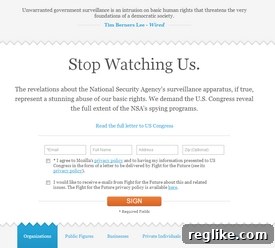 On a landmark day, a formidable alliance of 86 civil liberties organizations and prominent internet companies took decisive action. They launched a comprehensive campaign, collectively demanding that Congress swiftly address the ramifications of the recently exposed National Security Administration (NSA) spying programs. These revelations had sent shockwaves across the globe, bringing into sharp focus the extent to which government agencies were reportedly collecting vast amounts of data on ordinary citizens, often without their knowledge or explicit consent. The public’s trust in government oversight and the security of their digital lives was severely shaken, necessitating a robust and coordinated response from advocates for privacy and freedom.
The campaign emerged as a direct response to these disclosures, which painted a concerning picture of broad, unchecked surveillance. Citizens, experts, and organizations alike recognized the urgent need for transparency, accountability, and the restoration of fundamental constitutional protections. The scale of the alleged data collection, encompassing phone records, internet communications, and various forms of digital interaction, underscored the existential threat to privacy in the modern era. This coalition understood that such extensive surveillance, if left unchallenged, could fundamentally alter the nature of digital communication and erode the very essence of open societies.
The “StopWatching.us” Coalition: A Powerful Alliance for Digital Rights
At the heart of this movement was the choice to launch its digital presence on a remarkably symbolic web address: StopWatching.us. This deliberate selection was far more than a mere domain registration; it was a potent statement, fusing a direct plea with a national identifier. The coalition behind this initiative was an impressive assembly of organizations dedicated to protecting user rights, advocating for legislative reforms, and ensuring that technological advancements do not come at the cost of personal freedom. These groups, ranging from digital rights advocates like the Electronic Frontier Foundation (EFF) to established civil liberties champions and pioneering internet companies, recognized that a united front was essential to counter the formidable power of government intelligence agencies.
Their collective demand was clear and unequivocal: Congress must act. This wasn’t a call for minor adjustments or superficial changes; it was an insistence on fundamental reforms to surveillance laws, increased oversight mechanisms, and greater transparency regarding government data collection practices. The coalition sought not only to halt specific programs but also to establish enduring safeguards that would prevent future abuses of power. They understood that the revelations represented a critical juncture, an opportunity to redefine the balance between national security interests and the inherent right to privacy that underpins democratic societies. The campaign aimed to galvanize public support, educating citizens about their rights and empowering them to pressure their elected representatives for meaningful change.
The Symbolic Power of the .us Domain: More Than Just an Address
The decision to host the campaign on a .us domain name was a stroke of genius, resonating deeply with the campaign’s core message. While country code top-level domains (ccTLDs) like .us or .me can sometimes be chosen for their catchy or personalized appeal, their deployment for “StopWatching.us” transcended mere marketing. This particular domain leveraged two powerful characteristics simultaneously. Firstly, it created an immediate and evocative play on words: “Stop Watching Us” – a direct and unambiguous demand from the citizenry to its government. This linguistic cleverness made the domain instantly memorable and easily understood, serving as a rallying cry in itself.
Secondly, and perhaps even more significantly, the .us domain explicitly identifies the United States’ country code. This choice made the target audience and the subject of the demand undeniably clear: the surveillance practices of the United States government. By adopting .us, the campaign effectively localized its global message, framing the issue as a direct concern for American citizens and their representatives. It underscored that the call for an end to surveillance was emanating from within the nation, from the people directly affected, and directed squarely at the institutions meant to serve them. This strategic use of a national domain transformed a technical detail into a powerful symbol of national civic engagement and protest.
In the digital landscape, a domain name is often the first point of contact for a movement, and its judicious selection can significantly amplify a campaign’s reach and impact. “StopWatching.us” exemplifies how a domain can become an integral part of branding and messaging, communicating complex ideas with elegant simplicity. It demonstrated an acute understanding of how digital identity can be harnessed to convey political will, making the domain itself a potent weapon in the fight for digital privacy.
Unpacking the Domain’s Journey: From Individual Ownership to Collective Activism
The path of the StopWatching.us domain name before its adoption by this major civil liberties campaign offers an intriguing glimpse into the dynamic world of domain ownership and transfer. Public records indicate that the domain was initially registered in September 2012 by an individual named John Kruger, based in Wisconsin. This early registration suggests that the domain’s potential for impact was recognized even before the full scope of the NSA revelations came to light. The transition of such a valuable and politically charged domain became evident when Whois records showed a transfer of ownership to “Fight for the Future / Center for Rights” on the very day the campaign officially launched.
This transfer was a critical step in enabling the widespread campaign to take root, providing it with a powerful, pre-established digital home. When contacted for comment, Mr. Kruger’s response was notably circumspect. He stated he was “not at liberty to discuss it,” and when pressed on whether he still owned the domain, he affirmed, “I no longer have control of that domain.” This measured language suggested a deliberate and perhaps sensitive transaction, highlighting the strategic importance of acquiring a domain so perfectly aligned with a national privacy campaign. The subtle implication was that the transfer was handled with a degree of discretion, underlining the high stakes involved in such an initiative.
Further shedding light on the domain’s origins, a note prominently displayed at the bottom of the StopWatching.us website extends “Thanks to Initiate Demand for providing the stopwatching.us domain name.” Historical Whois data reveals a direct link between John Kruger and Initiate Demand, indicating that his previous ownership was likely part of a broader advocacy or readiness effort. This background suggests a pre-existing awareness or foresight regarding the need for such a domain, positioning it perfectly for a moment when public outrage would demand a powerful platform.
Interestingly, the broader domain landscape also presented an ironic contrast. While “StopWatching.us” became a beacon for privacy advocates, the corresponding “StopWatchingUs.com” domain was reportedly owned by an individual in China. This fact, while perhaps coincidental, carries a poignant undertone: the very act of seeking to halt surveillance in one nation runs parallel to the reality of pervasive monitoring in others, including the nation of the .com domain owner. It serves as a stark reminder that the fight for digital privacy is a global endeavor, with varying degrees of freedom and oversight across different jurisdictions.
Industry Voices Join the Fray: Why Companies and Organizations Are Taking a Stand
The participation of numerous internet companies in the StopWatching.us campaign was a significant indicator of the widespread concern extending beyond traditional civil liberties groups. Among the signatories was NameCheap, a prominent domain registrar. Their involvement, alongside dozens of other tech companies, underscored a growing understanding within the industry that government surveillance, particularly when indiscriminate and lacking transparency, poses a direct threat not only to user trust but also to the fundamental business model of the internet itself. For companies that rely on user data and privacy promises, revelations of mass surveillance can severely damage their reputation and erode the confidence of their customer base.
Internet companies depend on users feeling secure and private when utilizing their services. If users believe their communications and data are routinely monitored by governments, it can stifle innovation, deter free expression, and ultimately lead to a chilling effect on online activity. Therefore, their support for campaigns like StopWatching.us is not purely idealistic; it is also a pragmatic recognition of the economic and ethical imperative to safeguard digital rights. By aligning with civil liberties organizations, these companies lend their significant influence and resources to a cause that is vital for the continued health and growth of the digital ecosystem.
Furthermore, the coalition’s diverse membership—spanning from tech giants to grassroots advocacy groups—highlighted the multifaceted nature of the challenge. Civil liberties organizations, many of whom have decades of experience defending constitutional rights, provided the legal and ethical framework for the campaign. Their deep understanding of privacy law, surveillance precedents, and legislative processes was invaluable in crafting precise and effective demands for Congressional action. The combined expertise and reach of this coalition created a formidable lobbying force, capable of articulating both the moral urgency and the practical implications of unchecked surveillance to policymakers and the public alike.
The Imperative for Congressional Action: Demanding Transparency and Accountability
The central pillar of the StopWatching.us campaign was its unwavering demand for immediate and decisive Congressional action. The coalition called for a series of critical reforms designed to rein in intelligence agencies and reassert the principles of privacy and due process. These demands typically included increased transparency regarding the scope and nature of surveillance programs, robust judicial and legislative oversight, and the implementation of clear statutory limitations on data collection. The core argument was that current laws, many enacted in a pre-digital era, were insufficient to govern the advanced surveillance capabilities of the 21st century and allowed for interpretations that undermined fundamental rights.
Activists emphasized that oversight bodies, such as the Foreign Intelligence Surveillance Court (FISC), often operated in secrecy, leading to a lack of public accountability. The campaign sought to bring these processes into the light, advocating for greater public reporting on surveillance activities and stronger protections for whistleblowers who expose government overreach. They argued that a healthy democracy requires informed citizens and accountable institutions, and that pervasive, secret surveillance undermines both. By pushing for legislative solutions, the campaign aimed to enshrine privacy protections in law, making them less susceptible to executive discretion or evolving technological capabilities.
The call to action was not just directed at lawmakers but also at the American populace. The campaign aimed to mobilize citizens, urging them to contact their representatives, participate in public discourse, and demand that their privacy rights be respected. The power of a unified citizenry, informed and engaged, was seen as the ultimate catalyst for change. The campaign underscored that the responsibility for safeguarding digital liberties rests not only with organizations and legislators but also with every individual who values their privacy and freedom in an increasingly interconnected world.
The Future of Digital Privacy: A Continuing Battle for Fundamental Rights
The launch of the StopWatching.us campaign in response to the NSA revelations marked a watershed moment in the ongoing global debate about digital privacy and government surveillance. While specific legislative outcomes may vary over time, the fundamental issues raised by the campaign continue to resonate deeply within societies worldwide. The battle for digital privacy is an evolving one, constantly shaped by new technologies, emerging threats, and the delicate balance between security and liberty. Campaigns like StopWatching.us serve as vital reminders that eternal vigilance is required to protect fundamental rights in the digital age.
The legacy of this initiative lies not only in any immediate policy changes it may have influenced but also in its contribution to raising public awareness, fostering critical discourse, and empowering individuals and organizations to stand up for their rights. It cemented the idea that privacy is not a luxury but a fundamental human right, essential for free expression, democratic participation, and personal autonomy. As technology continues to advance, creating new challenges and opportunities for both surveillance and privacy protection, the principles championed by the StopWatching.us campaign will remain more relevant than ever. The demand to “Stop Watching Us” will continue to echo as long as the need for digital liberty persists, calling on governments and corporations alike to respect the privacy of individuals in the digital realm.