
The Looming Battle: Tesla and UAW Prepare for a Showdown Signaled by Strategic Domain Registrations
A silent but significant prelude to an impending labor dispute has emerged in the automotive sector, as a flurry of domain name registrations hints at a brewing conflict between electric vehicle pioneer Tesla and the venerable United Auto Workers (UAW) union. This strategic maneuver in the digital realm signals that both parties are bracing for a potentially contentious battle over unionization, particularly concerning Tesla’s operations in California.
The registrations, which occurred recently, involved a notable cluster of 22 domain names, all intricately linked to Tesla, unions, and the UAW. These registrations, handled by the brand protection registrar MarkMonitor, serve as an early warning shot, indicating that the landscape of labor relations at Tesla’s facilities is poised for a dramatic shift. Among the registered domains are telling names such as teslaunionfree.com, uawkillsjobs.com, and unionizetesla.com, each revealing a potential narrative or defensive posture from one side or the other.
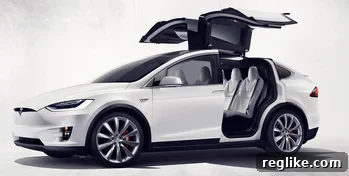
A Digital Frontline: The Strategic Significance of Domain Names
In the modern age, a company’s digital presence is paramount. Domain names are not merely addresses; they are strategic assets, often protected with the same fervor as trademarks and patents. The registration of such a specific and extensive list of domains related to a potential labor dispute underscores a sophisticated pre-emptive strategy. The fact that these domains were registered through MarkMonitor, a registrar widely used by major corporations for brand protection and often by Tesla for its own domain registrations, strongly suggests Tesla is the party behind these moves.
The use of MarkMonitor’s domain name privacy service further reinforces this speculation, allowing the registrant to maintain anonymity while securing these crucial digital properties. This tactic is often employed to prevent opposing parties from acquiring unfavorable domain names or to control the narrative surrounding a sensitive issue. For instance, while it may seem surprising that the UAW didn’t already own domains like “UAWsucks.com,” the acquisition of such domains by Tesla could be a defensive measure to prevent the union from using them, or to secure them for future, albeit unlikely, use to control potential disparaging online content.
This digital chess match extends beyond mere brand protection. It indicates a clear understanding of the importance of online perception in a high-stakes labor dispute. Controlling relevant domain names allows a party to direct traffic, disseminate information, and shape public opinion, which can be crucial in swaying employees, investors, and the general public during a unionization campaign.
Tesla’s Unique Culture and the Threat of Unionization
For Tesla, a company known for its disruptive innovation, rapid production cycles, and a demanding work culture often described as anti-establishment, the prospect of unionization presents a unique set of challenges. Elon Musk, Tesla’s charismatic CEO, has historically expressed skepticism about unions, often emphasizing direct communication with employees and a nimble operational structure that he believes would be hindered by traditional union frameworks. The company has often highlighted its competitive wages, benefits, and the opportunity for employees to be part of a groundbreaking mission to accelerate the world’s transition to sustainable energy.
However, critics, including the UAW, often point to reports of high-pressure working conditions, safety concerns, and worker complaints regarding pay and representation at Tesla’s Fremont factory. Unionization, from the UAW’s perspective, would bring collective bargaining power to the employees, potentially leading to improved wages, benefits, job security, and enhanced safety protocols through a negotiated contract. This clash of ideologies and operational philosophies sets the stage for a compelling and closely watched labor battle.
The UAW’s Ambitious Goal: Organizing a High-Profile Automaker
For the UAW, successfully organizing Tesla would represent a significant victory and a strategic expansion into a major, non-unionized American automaker, particularly in the burgeoning electric vehicle sector. The union has faced declining membership in recent decades due to shifts in manufacturing and the rise of non-unionized foreign transplant factories in the southern U.S. Organizing Tesla, a symbol of future automotive technology, would inject new energy and relevance into the union’s mission.
The UAW’s attempts to organize other foreign-owned auto plants in the U.S., such as Nissan and Volkswagen, have met with mixed success. Tesla, with its high profile and substantial workforce, represents a prime target. A successful campaign at Tesla could serve as a powerful precedent for future organizing efforts across the tech and manufacturing sectors, especially as the automotive industry continues its pivot towards electric vehicles, potentially reshaping the entire labor landscape for automotive manufacturing in the United States.
Beyond the Model 3: Broader Challenges for Tesla
This looming labor dispute adds another complex layer to Tesla’s already long list of challenges. As the company endeavors to scale production of its more affordable Model 3, a car critical to its long-term financial viability and mass-market aspirations, it simultaneously faces intense scrutiny over its production timelines, profitability, and operational efficiency. Introducing a union into this dynamic could impact production flexibility, potentially alter cost structures, and influence the pace of decision-making, all of which are critical factors for a company in such a rapid growth phase.
The California location of Tesla’s primary U.S. assembly plant in Fremont is also a significant factor. California has a strong history of labor advocacy and robust labor laws, which could provide a more fertile ground for union organizing compared to some other states. The socio-political environment in California often favors workers’ rights and collective bargaining, potentially creating a more favorable environment for the UAW’s campaign.
The Battleground of Public Opinion and Employee Sentiment
In a high-profile dispute like this, public perception and employee sentiment will play crucial roles. Both Tesla and the UAW will likely engage in extensive public relations campaigns, utilizing their secured domain names and other media channels to articulate their positions, influence narratives, and garner support. Tesla will aim to highlight the benefits of its current work environment and the potential drawbacks of unionization, while the UAW will focus on worker rights, fair compensation, and improved working conditions.
The outcome of this struggle will not only impact Tesla’s future operations and financial performance but also send ripples across the entire auto industry and the broader labor movement. It will be a significant test of the UAW’s organizing capabilities in the 21st century and a crucial examination of Tesla’s ability to maintain its unique corporate culture amidst growing demands for worker representation.
The Registered Domains: A Glimpse into the Strategy
The following domain names, registered through MarkMonitor, offer a revealing insight into the range of potential messaging and defensive strategies being considered by the party behind their registration. They cover both pro-union, anti-union, and neutral sounding options, reflecting an intent to control multiple facets of the online discussion:
- teslaandtheuaw.com
- teslaanduaw.com
- teslauaw.com
- teslaunion.com
- teslaunionfree.com
- teslaunionize.com
- uawandtesla.com
- uawattesla.com
- uawdestroysjobs.com
- uawfortesla.com
- uawfree.com
- uawfreetesla.com
- uawfremont.com
- uawkillsjobs.com
- uawrocks.com
- uawsucks.com
- uawtesla.com
- unionattesla.com
- unionfreetesla.com
- unionizetesla.com
- unionizeteslanow.com
- unsafetesla.com
Conclusion: A Critical Juncture for Modern Manufacturing Labor
The registration of these domain names is more than a mere formality; it is a clear indicator that a significant confrontation is on the horizon. This battle between Tesla and the UAW represents a critical juncture for labor relations in the rapidly evolving landscape of modern manufacturing, particularly in the high-stakes electric vehicle market. As Tesla navigates its ambitious production goals for the Model 3 and beyond, and as the UAW seeks to assert its relevance in a changing industrial world, the outcome of this struggle will have far-reaching implications, shaping not only the future of Tesla but also the broader trajectory of worker representation in innovative industries. The digital groundwork has been laid, and now, the focus shifts to the unfolding drama on the factory floor and in the public discourse.