
This is the first article in an ongoing series by Kassey Lee about the market for domain names in China.
Unlocking the Digital Frontier: Why China is Poised to Become the World’s Largest Domain Market
China, a nation synonymous with rapid digital transformation and unparalleled consumer engagement, is increasingly recognized as a titan in the global digital economy. Backed by an astronomical population of digitally active consumers and an ever-expanding entrepreneurial ecosystem, the country stands on the cusp of becoming the undisputed largest domain market worldwide. This article marks the inaugural piece in a comprehensive series dedicated to dissecting the intricate dynamics of the Chinese domain market, meticulously identifying burgeoning opportunities for astute domain investment. Our journey begins with a panoramic view, examining the foundational elements that underscore this colossal potential.

The Digital Colossus: China’s Unparalleled Online Landscape
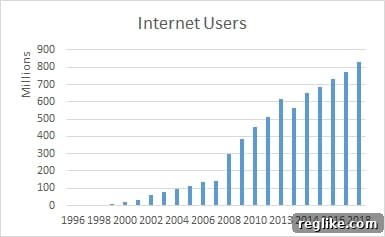
To truly grasp the magnitude of China’s domain market potential, one must first comprehend the sheer scale of its digital economy. The statistics are nothing short of breathtaking: over 829 million internet users, indicating a robust 59.6% penetration rate that continues to climb. Within this vast online populace, an astonishing 610 million individuals are active internet shoppers, translating to a consumer base larger than many countries’ entire populations. Complementing this e-commerce powerhouse are 583 million mobile payment customers, showcasing a nation that has enthusiastically embraced the convenience and efficiency of digital transactions.
These figures paint a vivid picture of an enormous, vibrant digital economy that is not only thriving but also poised for exponential expansion. The full deployment of 5G technology across the nation promises to be a catalyst, providing ultra-fast connectivity and an even more seamless, immersive, and enjoyable shopping and browsing experience for hundreds of millions of consumers. This technological leap will undoubtedly fuel further growth in online activities, from e-commerce and digital services to content consumption and business operations, each intrinsically linked to the underlying infrastructure of domain names. The digital habits forged in this mobile-first environment underscore the strategic importance of a strong online identity for businesses, making domain names an indispensable asset in this dynamic landscape.
 Source: CNNIC
A Nation of Entrepreneurs: Fueling Unprecedented Domain Demand
A burgeoning digital economy naturally fosters a fertile ground for business growth and entrepreneurial endeavors. China’s economic expansion has been consistently driving the formation of new companies at an astonishing rate. As of 2017, the National Development and Reform Commission (国家发改委) reported a staggering 92 million companies operating within China. More recently, Sisy’s World News highlighted the existence of 140 million entrepreneurs in the country, a figure that dwarfs the entrepreneurial populations of most other nations.
This entrepreneurial surge is not accidental; it is underpinned by a deeply vibrant venture capital (VC) community eager to fund innovative startups, coupled with unwavering, strong backing from the national government. The Chinese government has actively promoted policies to stimulate entrepreneurship, foster technological innovation, and simplify business registration processes. This dual support system – from private investment and public policy – creates an environment where new businesses are constantly emerging, growing, and seeking to establish their digital footprint. Over the long term, this robust ecosystem guarantees a significant and sustained increase in the number of Chinese companies, each eventually requiring a unique and memorable online address to connect with their vast customer base. This organic growth in the business sector directly translates into an escalating fundamental demand for domain names, making it a critical area for investment consideration.
The Astonishing Gap: Websites vs. Businesses – An Opportunity Unveiled
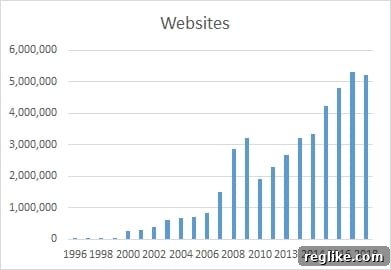
Despite the colossal number of businesses and entrepreneurs, a fascinating disparity emerges when examining the current state of online presence. According to the 43rd Statistical Report on the Internet Development in China, published by CNNIC in February of this year, there are currently only 5.2 million websites registered in China. This number, while substantial on its own, pales in comparison to the 92 million companies or the 140 million entrepreneurs identified within the country.
This striking discrepancy highlights an immense, untapped potential for domain name adoption. The gap suggests that a significant proportion of Chinese businesses, particularly small and medium-sized enterprises (SMEs) and nascent startups, have yet to establish a traditional, dedicated website. Many may rely on alternative digital presences, such as accounts on major social media platforms like WeChat or Weibo, or operate primarily through mini-programs within these super-apps. While these platforms offer undeniable reach, they do not provide the same level of brand control, independent online identity, or long-term asset value as a proprietary domain name and website. The inevitable maturation of the digital ecosystem and the increasing sophistication of business operations will drive more and more of these entities towards owning their own corner of the internet, making the current gap a massive indicator of future demand for domains.
 Source: CNNIC
Unlocking Potential: The Domain Landscape and Investment Opportunity
Further reinforcing this narrative of untapped potential are the domain registration statistics. The same CNNIC report indicates approximately 38 million domains currently registered in China. When juxtaposed against the 92 million companies or the 140 million entrepreneurs, the conclusion remains unequivocally clear: there is a tremendous, unmet demand for domains across the Chinese market. This suggests that a substantial number of active businesses are operating without a dedicated web address, or that many domains are still held by investors, awaiting transfer to end-users who will ultimately leverage them for commercial purposes.
Historically, the Chinese domain market has experienced periods of double-digit growth, a testament to its inherent vibrancy. However, it also faced significant challenges. A notable contraction occurred in 2010 and 2011, primarily due to policy changes affecting the .cn extension, which led to a large number of previously registered .cn domains being discarded. This episode, which will be explored in greater detail in a subsequent article focusing specifically on the .cn extension, underscores the importance of regulatory understanding in this market. More recently, the market has seen a slight shrinkage over the last two years, potentially attributable to broader economic headwinds and the complexities of the China-USA trade dispute. Despite these fluctuations, the underlying demographic and economic fundamentals suggest that these are temporary dips in a long-term growth trajectory.
 Source: CNNIC
Navigating Market Dynamics: Historical Trends and Future Outlook for Chinese Domains
Understanding the historical ebb and flow of domain registrations in China is crucial for any prospective investor. The dramatic shrinkage in 2010 and 2011, often referred to as the “dot-cn purge,” was a direct consequence of tighter registration policies introduced by the Chinese government. These policies aimed to curb speculative registrations and ensure greater accountability, but inadvertently led to a mass abandonment of domains by both investors and some end-users who found the new requirements burdensome. While challenging at the time, this period also cleansed the market, paving the way for more legitimate and sustainable growth. The lessons learned from this episode emphasize the need for investors to remain abreast of regulatory changes and to understand the specific requirements associated with different TLDs within China.
Recent market adjustments, influenced by a weaker global economy and the ongoing China-USA trade dispute, reflect broader economic sentiments rather than a fundamental shift in digital adoption. These macro-economic factors can temporarily dampen business expansion and, by extension, new domain registrations. However, China’s inherent economic resilience and its strategic focus on domestic consumption and technological self-reliance mean that these slowdowns are often transient. Furthermore, while the .cn extension holds national significance, the preference for generic top-level domains (gTLDs) like .com remains strong among Chinese businesses aiming for international appeal or simply recognizing .com as a universal standard. New gTLDs are also gradually gaining traction, particularly those that are short, memorable, and relevant to specific industries or brands, offering another avenue for domain investment.
The Path Forward: Strategic Domain Investment in China
When adopting a holistic perspective, tracing the progression from China’s robust digital economy to its burgeoning corporate landscape, and then to the foundational need for websites and ultimately, domain names, the investment thesis becomes profoundly compelling. The sheer volume of businesses currently operating without a dedicated online presence represents an unparalleled opportunity for domain investors. These are not merely abstract numbers; they signify millions of potential end-users who, in the coming years, will require domain names that are intuitive, brandable, and relevant to their operations.
For investors looking to capitalize on this enormous potential, strategic considerations are paramount. Domains featuring short character lengths, numeric combinations (which are highly valued in Chinese culture due to auspicious meanings), easily pronouncable Pinyin terms, and strong brandable keywords are likely to command significant interest. Understanding the cultural nuances and linguistic preferences of the Chinese market is also critical; what resonates in Western markets may not hold the same value or appeal in China. The trend towards digital transformation across all sectors, from traditional manufacturing to high-tech startups, guarantees a continuous and escalating demand for premium domain assets. As the market matures and more businesses recognize the strategic imperative of owning a strong online identity, the value of well-chosen domain names will undoubtedly appreciate.
Conclusion: China’s Domain Market – A Frontier of Unprecedented Opportunity
In summation, China’s domain market stands as a frontier of unprecedented opportunity, underpinned by a massive and digitally-savvy population, a thriving entrepreneurial spirit, and an ever-expanding digital economy. The stark contrast between the millions of businesses and entrepreneurs and the relatively limited number of registered websites and domains signals a vast, untapped reservoir of demand. While historical fluctuations and recent economic headwinds present some complexities, these are ultimately overshadowed by the powerful, long-term growth drivers inherent in China’s trajectory.
For domain investors willing to understand the unique dynamics of this market, to navigate its cultural and regulatory landscape, and to identify valuable assets that align with local preferences, the potential for significant returns is immense. This series will continue to delve deeper into specific aspects of the Chinese domain market, offering further insights and analysis to help you unlock the extraordinary opportunities that lie within this digital powerhouse. The time to recognize and act upon China’s potential as the world’s largest domain market is now, as the digital tide continues its relentless rise.