
Protecting Digital Publishers: Why Proposed EU Copyright Laws Threaten Small Voices Online
The digital landscape is a vibrant, ever-evolving ecosystem where content creators of all sizes strive to reach their audiences. However, legislative proposals, often well-intentioned, can sometimes disrupt this delicate balance, inadvertently favoring established giants while penalizing smaller, independent voices. A prime example of this complex dynamic is the ongoing debate surrounding certain aspects of the European Union’s proposed copyright rules, specifically those aiming to compel platforms to pay for displaying snippets of content.
Back in September 2018, I delved into the intricacies of these European Union copyright proposals. A particularly contentious element was the suggestion that websites should be required to obtain licenses and pay fees for using even small textual excerpts of content from other online sources. The most widely cited illustration of this concept is Google News, a prominent aggregator that presents headlines and concise textual snippets from articles across the web. The underlying premise for this “snippet tax” is to ensure publishers are compensated for their work, especially when their content is leveraged by large aggregators.
However, the potential ramifications of such a rule are far from universally beneficial. Google itself published a comprehensive blog post detailing its assessment of the consequences. Their analysis strongly aligns with the observations I made in my earlier article: such a legislative move would disproportionately disadvantage and ultimately harm small publishers, while paradoxically offering little tangible benefit, or even reinforcing the dominance, of larger media conglomerates. This is a critical distinction that often gets lost in the broader discussion about copyright protection in the digital age.
The Indispensable Role of Aggregators for Small Publishers
As a small publisher navigating the competitive online content sphere, I can attest firsthand to the vital role played by platforms like Google News. These aggregators are not merely convenient news portals for readers; they serve as an essential conduit for independent creators and niche publications to achieve visibility that would otherwise be unattainable. In a world saturated with information, where the latest breaking stories from global giants like The Wall Street Journal, The New York Times, or The Guardian naturally command significant attention, smaller publishers lack the massive marketing budgets, brand recognition, and pre-existing audience reach to compete on an equal footing.
Google News, in essence, acts as a powerful discovery engine. It allows my content, and that of countless other small operations, to be presented to a diverse audience actively seeking news and information. Without this platform, much of our work would remain hidden, lost in the vastness of the internet, never reaching the eyes of potential readers who would undoubtedly find it valuable. This isn’t just about direct traffic; it’s about making connections and building an audience organically, fostering community and loyalty that can sustain a small publication.
Beyond the immediate increase in direct readership, the ripple effect of being featured on Google News is equally significant. When my stories gain traction on such a prominent platform, they are more likely to be noticed, picked up, and cited by larger publications, journalists, or industry influencers. This secondary exposure generates even more referral traffic back to my site, enhances my publication’s credibility, and expands its overall reach. It creates a virtuous cycle of discovery and engagement that is foundational to the growth and sustainability of independent digital media, offering opportunities that a small, self-funded entity could rarely achieve on its own.
Understanding the Concerns of Large Publishers
It’s important to acknowledge that large publishers also have legitimate concerns, albeit from a different vantage point. I can certainly understand their frustration. For many people, platforms like Google News have transitioned from being a supplementary news source to becoming their primary gateway for accessing daily information. Instead of directly navigating to the homepage of a specific news organization, users often start their news journey with an aggregator.
This shift in user behavior can understandably lead to a perception of “lost” direct traffic and potentially reduced advertising revenue for established media brands. They invest heavily in original journalism and naturally seek direct engagement with their readers. However, as I highlighted previously, there are immense societal benefits to this aggregated approach. While a direct visit to a single news site, whether it’s MSNBC or Fox News, might offer a curated (and sometimes ideologically skewed) perspective, platforms like Google News provide a mosaic of viewpoints.
Big publications might be frustrated that people treat Google News as their news destination rather than going directly to the news site’s homepage. But there are huge societal benefits to this. I get much more diverse viewpoints on Google News than I do on a news site, whether that’s MSNBC or Fox News. By presenting a spectrum of sources, users are exposed to different angles, analyses, and narratives, fostering a more informed and critically engaged citizenry. This diversity of information is crucial for a healthy democracy and prevents the formation of echo chambers, which can often be reinforced when individuals only consume news from a narrow set of sources.
The challenge, therefore, is to balance the valid commercial interests of large publishers with the broader public good of accessible, diverse, and freely available information, especially from smaller, often unique, sources. Any legislative solution must carefully weigh these competing interests to avoid unintended consequences that undermine the very fabric of online discourse.
The Parallel Debate: Google Search’s Featured Snippets
The discussion around content snippets isn’t confined solely to news aggregators. A parallel, though distinct, point of contention involves Google Search’s “featured snippets.” These highly visible boxes often appear at the very top of search results, directly above the traditional organic listings, and are designed to provide an immediate answer or a relevant excerpt from a webpage to the user’s query. They represent Google’s attempt to offer the most concise and direct information possible, improving the user experience by reducing the need for multiple clicks.
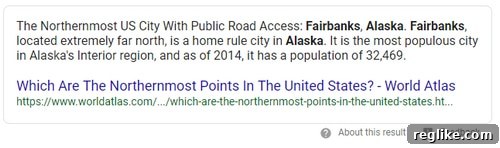
For many website owners and SEO professionals, achieving a featured snippet is considered a “holy grail.” The visibility and perceived authority that comes with occupying this prime real estate in search results can translate into significantly higher click-through rates. I frequently hear from peers and colleagues who report substantial boosts in traffic and user engagement when their content secures a featured snippet position. It’s a powerful signal that Google recognizes their content as the best, most direct answer to a particular query, driving qualified traffic to their sites and enhancing their online presence.
However, the very efficacy of featured snippets also fuels a different kind of frustration. Some critics argue that by providing direct answers, these snippets reduce the incentive for users to click through to the original website. This phenomenon, often referred to as “no-click searches,” is a growing concern for publishers who rely on page views and user engagement for advertising revenue and direct subscriptions. Prominent SEO thought leaders, such as Rand Fishkin, have been particularly vocal about this issue, advocating for website owners to have more control and the ability to opt-out of having their content appear in featured snippets if they so choose, thus allowing them to prioritize direct site visits over immediate answer delivery.
A Balanced Resolution: Embracing an Opt-Out Standard
This brings me to what I believe is a more equitable, efficient, and functional resolution for both the “snippet tax” debate concerning news aggregators and the featured snippet discussion in search results. Instead of implementing a system where publishers must proactively grant permission or be compensated for every snippet used – a logistical and bureaucratic nightmare for countless small publishers and an unnecessary hurdle for innovation – let’s pivot to an “opt-out” standard.
The precedent for this already exists within the current web ecosystem, demonstrating its practicality and effectiveness. Website owners already possess the power to control their visibility in search engines. Through the use of a simple `robots.txt` file, sites can explicitly tell search engine crawlers which parts of their site should not be indexed or displayed in search results. This mechanism provides precise, self-managed control without imposing burdensome licensing requirements on either side. It empowers publishers to make decisions about their content’s exposure based on their individual business models and preferences.
Building upon this established framework, we could introduce additional, granular options within the `robots.txt` protocol. These new directives would allow publishers to specify their preferences regarding different types of content snippets with unprecedented detail. For instance, a small publisher could choose to:
- Opt out of being included in Google News or similar aggregators entirely, if they prefer direct traffic only.
- Opt out of having their content appear in Google Search’s featured snippets, addressing concerns about “no-click searches.”
- Specify a maximum length for text snippets that aggregators can display without explicit permission, allowing for more nuanced control over content exposure.
- Control image snippets or video previews, ensuring visual content is used as intended.
- Block specific types of AI scraping or advanced data extraction while still allowing general indexing.
This opt-out approach places the power firmly in the hands of the content creator. It respects their ownership rights while simultaneously preserving the incredible benefits of content aggregation and discoverability for the vast majority of online publishers who rely on these platforms for their survival and growth. It’s a far more practical, less economically disruptive, and ultimately more empowering solution than a blanket “snippet tax” that would disproportionately impact those least equipped to navigate complex legal and financial frameworks, stifling competition and innovation in the process.
The Broader Implications for the Digital Ecosystem
The decisions made regarding digital copyright and content distribution will have profound, long-lasting implications for the entire online ecosystem. Imposing an “opt-in” or “pay-to-snippet” model for content aggregation risks stifling innovation, reducing information diversity, and creating an insurmountable barrier to entry for new, independent voices. It could effectively build a higher wall around content, making it harder for users to discover valuable information and for small publishers to find their audience. This fundamentally alters the open nature of the web that has fostered so much growth and creativity.
Such legislation risks concentrating power and visibility even further into the hands of the few largest publishers, who might have the resources to navigate complex licensing agreements, while simultaneously starving smaller entities of the vital exposure they need. This outcome would not only diminish the richness and variety of online content but also negatively impact consumers by limiting their access to a wide range of perspectives and specialized information, potentially leading to a less informed public and a more homogenous media landscape.
Ultimately, the goal of copyright legislation should be to foster creativity and reward content creators, not to inadvertently hobble the very mechanisms that allow that content to thrive in the digital age. By adopting a pragmatic, opt-out framework, we can protect publisher rights while ensuring that the internet remains a dynamic, accessible, and diverse source of information for everyone. It’s about building an online environment where both creativity and discovery can flourish, without inadvertently harming the small publishers who form the backbone of a truly diverse media landscape and contribute invaluable voices to public discourse.