
Multilingual Domain Names: Unlocking Global Opportunities Across Cultures
In our increasingly interconnected digital landscape, a brand’s online identity is more crucial than ever. The domain name, serving as a digital storefront and primary point of contact, carries immense strategic value. But what if this digital identity could transcend geographical and linguistic barriers, holding significant meaning and appeal in multiple cultures simultaneously? The answer lies in the strategic power of multilingual domain names – a sophisticated approach to global branding that recognizes and leverages the fascinating overlaps between languages.
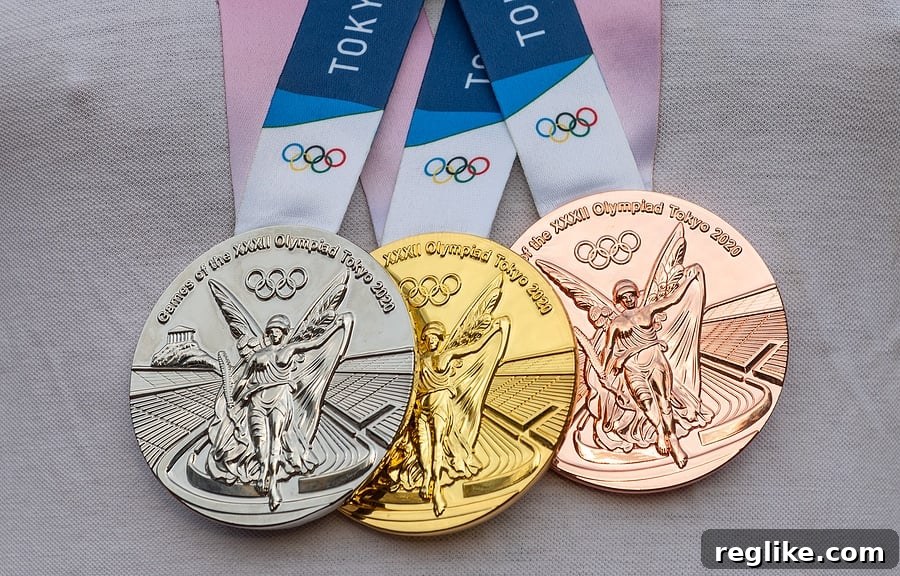
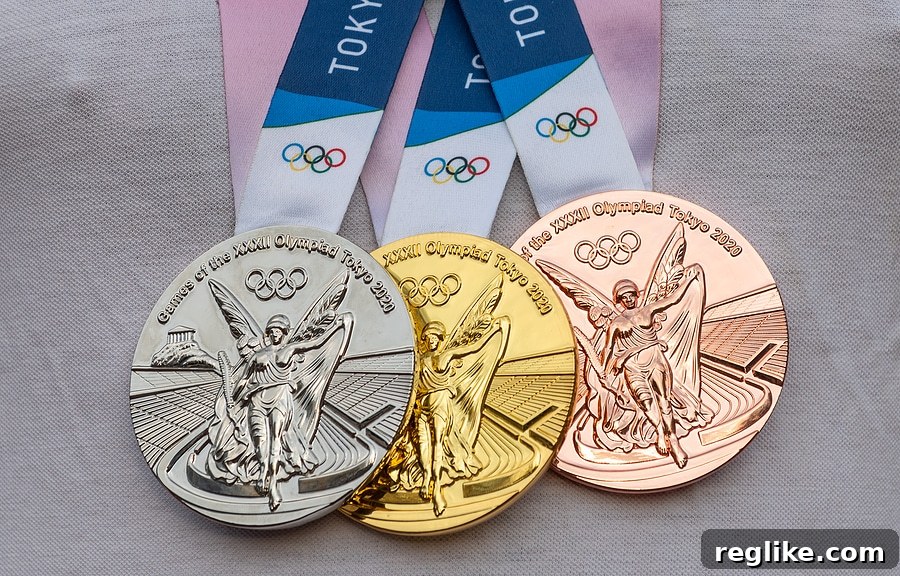
The spirit of global connection is vividly showcased in international events like the Olympic Games. These spectacles of human achievement bring nations together, celebrating triumphs and fostering a shared sense of global community. While my personal interest might not make me a sports fanatic, the underlying principle of diverse cultures converging and finding common ground is truly captivating. This shared experience serves as an excellent metaphor for the digital realm, where certain linguistic elements can bridge cultural divides and create unexpected avenues for brand recognition and market expansion.
The Intricate Dance of Languages: Japanese and Chinese
My professional experience, particularly the years I spent working in Tokyo, provided me with a unique appreciation for the intricate similarities and differences between the Japanese and Chinese languages. Despite their distinct evolutions and grammatical structures, these two languages share a profound historical connection, primarily through the adoption of Chinese characters (known as Kanji in Japanese and Hanzi in Chinese). This shared linguistic heritage creates a fertile ground for interesting overlaps. A domain name that holds a specific meaning or resonance in Japanese might, due to phonetic or character similarities, also carry a distinct yet equally powerful significance in Chinese, and vice versa. Understanding this phenomenon is key to unlocking truly global domain strategies.
This linguistic interplay is not merely an academic curiosity; it presents a substantial strategic advantage for businesses and individuals aiming to cultivate a robust global digital footprint. A carefully selected domain, initially chosen for its potent appeal in one specific market, possesses the potential—with astute foresight and meticulous research—to become an invaluable asset in an entirely different cultural context, expanding its utility far beyond its original intent.
Olympic Medals: A Universal Language of Value
The universally recognized symbols of Olympic excellence—gold, silver, and bronze medals—offer a compelling illustration of this cross-cultural linguistic phenomenon. In Japanese, these prestigious metals are pronounced as “Kin” (金), “Gin” (銀), and “Dou” (銅) respectively. When we cross the East China Sea to Mandarin Chinese, their pronunciations transform to “Jin” (金), “Yin” (银), and “Tong” (铜). While keen observers might notice subtle variations in the written characters—especially for silver (銀 in traditional vs. 银 in simplified) and bronze (銅 in traditional vs. 铜 in simplified)—the fundamental visual representation of the core concepts of 金 (gold), 銀/银 (silver), and 銅/铜 (bronze) remains largely consistent. This consistency allows them to convey a shared understanding of value, prestige, and achievement across both cultures.
These examples underscore the immense potential for a single domain name to hold multifaceted meanings. A domain name that sounds like “Kin,” “Gin,” or “Dou” could evoke vastly different associations and opportunities depending on whether it is encountered by a Japanese or a Chinese speaker. This inherent duality offers an exciting layer of branding potential that forward-thinking entrepreneurs can strategically harness.
Case Study 1: “Dou.com” – From Japanese Pedigree to Chinese Dynamism
Consider a scenario where you are the proud owner of the domain “Dou.com” within the Japanese market. Your initial instinct might be to market it primarily for its direct association with “Bronze” (銅). This immediate connection opens doors to highly specialized sectors: metallurgy, industrial manufacturing, sports memorabilia, or even brands that embody resilience and foundational strength, mirroring the enduring qualities of a bronze medal. The brand narrative would naturally emphasize durability, reliability, and the unwavering pursuit of excellence—a deeply resonant identity within the nuances of Japanese cultural values.
However, the true ingenuity and expansive potential of such a domain name reveal themselves when you contemplate its utility beyond Japan’s borders. Should your business strategy involve an expansion into the vast and dynamic Chinese market, “Dou.com” unexpectedly unfurls a rich tapestry of novel meanings. In Chinese, the phonetic pronunciation “Dou” can align with several distinct and widely recognized characters, each presenting a unique, unexplored avenue for branding and marketing initiatives:
- 斗 (dòu): Signifying “fight,” “struggle,” or “contest.” This character offers a powerful brand foundation for competitive gaming platforms, martial arts academies, sports-related brands, or even motivational coaching services designed to empower individuals to overcome challenges and achieve victory.
- 豆 (dòu): Directly translating to “bean” or “legume.” This instantly establishes a connection to the burgeoning food industry, health and wellness brands focusing on plant-based nutrition, agricultural technology innovations, or even charming coffee shops specializing in artisan beans.
- 逗 (dòu): Conveying meanings such as “to tease,” “to amuse,” or “to provoke fun.” This character unlocks opportunities for entertainment platforms, comedy websites, social media applications centered around playful interaction, or brands adopting a lighthearted, engaging, and witty communication style.
Through this lens, “Dou.com” undergoes a remarkable transformation. It evolves from a narrowly focused “bronze” association to a versatile, multi-faceted domain capable of resonating with diverse audiences across an array of distinct industries in China. This powerfully illustrates how a single domain can possess a serendipitous capacity to diversify and significantly expand market reach without necessitating the creation of an entirely new brand identity, saving considerable time and resources.
Case Study 2: “Jin.com” – From Chinese Prosperity to Japanese Philosophy
Conversely, let us explore the journey of the domain “Jin.com” as it transitions from its roots in China to its potential in Japan. In the Chinese context, “Jin” (金) is predominantly and universally understood as “Gold.” This powerful association immediately positions a brand utilizing “Jin.com” within the highly lucrative luxury sector, high-stakes finance, precious metals trading, premium service industries, or any field where exclusivity, opulence, wealth, and supreme quality are paramount. The marketing narrative for such a brand would undoubtedly be woven around themes of prosperity, unparalleled excellence, and an elite, top-tier status, expertly leveraging the deeply auspicious and revered connotations of gold within Chinese culture.
Now, let’s envision the strategic move of this successful “Jin.com” brand into the Japanese market. While the direct, primary association with “gold” might not be as universally prevalent in everyday discourse as it is in Chinese (where “Kin” is the common term), the pronunciation “Jin” (じん) in Japanese remarkably unlocks an entirely new spectrum of powerful and profoundly culturally significant meanings:
- 陣 (jin): Meaning “formation,” “camp,” or “team.” This interpretation is incredibly valuable for platforms facilitating team-building, corporate strategy consulting services, sports organizations, collaborative software solutions, or even community-focused initiatives that emphasize collective effort and strategic alignment.
- 人 (jin/hito): Signifying “person” or “people.” While typically pronounced “hito” when standing alone, “jin” frequently appears in compound words like “日本人” (Nihon-jin, meaning “Japanese person”). This connection is highly relevant for human resources companies, social networking platforms, philanthropic organizations, personal development programs, or services dedicated to fostering human connection and community building.
- 仁 (jin): Meaning “benevolence,” “virtue,” or “humanity.” This is a profoundly philosophical and ethical concept, holding a highly revered place within traditional Japanese culture. A brand adeptly leveraging this meaning could center its identity on ethical consumerism, sustainable business practices, educational initiatives promoting core values, or non-profit organizations committed to social welfare and global good.
The transformation of “Jin.com” upon entering the Japanese market reveals a captivating shift from associations with material wealth to deeply ingrained humanistic and collaborative values. This compellingly demonstrates how a single domain name can offer extraordinary flexibility, empowering a brand to skillfully adapt its messaging and target different cultural values without necessitating any alteration to its fundamental digital address. Such a high degree of adaptability is not just beneficial; it is a foundational cornerstone of truly effective and resilient global branding in the modern era.
Crafting a Resilient Multilingual Domain Strategy for Global Success
The illustrative examples of “Dou” and “Jin” are far from isolated linguistic curiosities; they represent a fundamental, often overlooked, principle in comprehensive global digital strategy. Domain names that possess a meaningful resonance across multiple diverse cultures are, in essence, invaluable assets. They pave the way for a broader array of selling opportunities, facilitate deeper market penetration, and inherently enhance brand recall. However, the process of unearthing these linguistic gems requires far more than mere chance; it demands meticulous research, strategic foresight, and a nuanced, culturally informed approach.
Essential Pillars of Comprehensive Multilingual Domain Research:
- Profound Linguistic Deep Dive: Move beyond superficial, direct translations. Engage with native speakers, professional linguists, and cultural consultants to fully grasp phonetic nuances, subtle character variations, and idiomatic expressions. It’s crucial to explore homophones (words that sound identical but possess different meanings) and homographs (words spelled identically but carrying different meanings or pronunciations).
- Thorough Cultural Contextualization: Develop a deep understanding of the connotations, associations, and historical significance linked to specific words, phrases, or sounds within each target culture. What might be perceived positively in one culture could be entirely neutral or, critically, even carry negative or offensive connotations in another. Research local slang, historical references, and cultural taboos meticulously.
- Strategic Market Analysis: Conduct comprehensive research into competitor domain names already established in your target markets. Identify existing brands that have successfully leveraged linguistic crossovers and analyze their strategies. Crucially, understand how your specific target audience perceives and interacts with various linguistic elements and branding approaches.
- Expansive Geographical Scope: Clearly define the primary and secondary markets you intend to reach. Critically evaluate whether there are other regions beyond your immediate focus where your chosen domain might unexpectedly resonate, offering latent expansion potential.
- Future-Proofing Your Brand: Envision the long-term trajectory and vision for your brand. Can the selected domain name adequately support future product lines, service expansions, or market entries into different linguistic territories without causing confusion or requiring a costly rebrand?
The Undeniable Benefits of a Proactive Multilingual Domain Strategy:
- Enhanced Global Brand Recognition: A domain that organically resonates culturally across multiple markets significantly strengthens global brand recall, familiarity, and positive association.
- Vastly Broader Market Reach: Effectively tap into entirely new customer segments and geographical locations with a domain that possesses a pre-existing sense of relevance and authenticity.
- Improved International SEO Performance: Domains that skillfully reflect local language nuances can dramatically improve search engine visibility and ranking in target regions, even if not an exact keyword match, by building trust and relevance.
- Significant Cost Efficiency: Strategically acquiring and managing a single, highly versatile domain can prove far more cost-effective than attempting to manage a complex portfolio of multiple, often less impactful, region-specific domain names.
- Distinct Competitive Advantage: Differentiate your brand in crowded global marketplaces by explicitly demonstrating cultural sensitivity, linguistic intelligence, and a sophisticated understanding of diverse international landscapes.
- Mitigated Brand Risks: Proactive, thorough research is the best defense against embarrassing linguistic misinterpretations or unintended negative connotations, thereby rigorously protecting your invaluable brand reputation and equity.
The digital age has irrevocably erased traditional geographical boundaries, transforming the world into a single, vast, and interconnected marketplace. For businesses and entrepreneurs aspiring to achieve genuine global prominence, a thoughtful, diligently researched, and culturally informed multilingual domain name strategy is not merely an option; it is an absolute strategic imperative. It transcends the simple act of owning a piece of the internet; it is about owning a piece of global understanding, forging deeper, more meaningful connections with diverse audiences, and unlocking a universe of previously untapped potential.
By judiciously investing time, resources, and expert consultation into discovering these culturally versatile domains, brands can construct stronger, more adaptable, and profoundly resonant digital identities. These identities are capable of transcending linguistic barriers and communicating powerfully and authentically across continents, laying a solid foundation for enduring global success. Ultimately, the journey to a truly global digital presence begins with a name – a name that thoughtfully speaks to the world, in all its magnificent linguistic and cultural diversity.